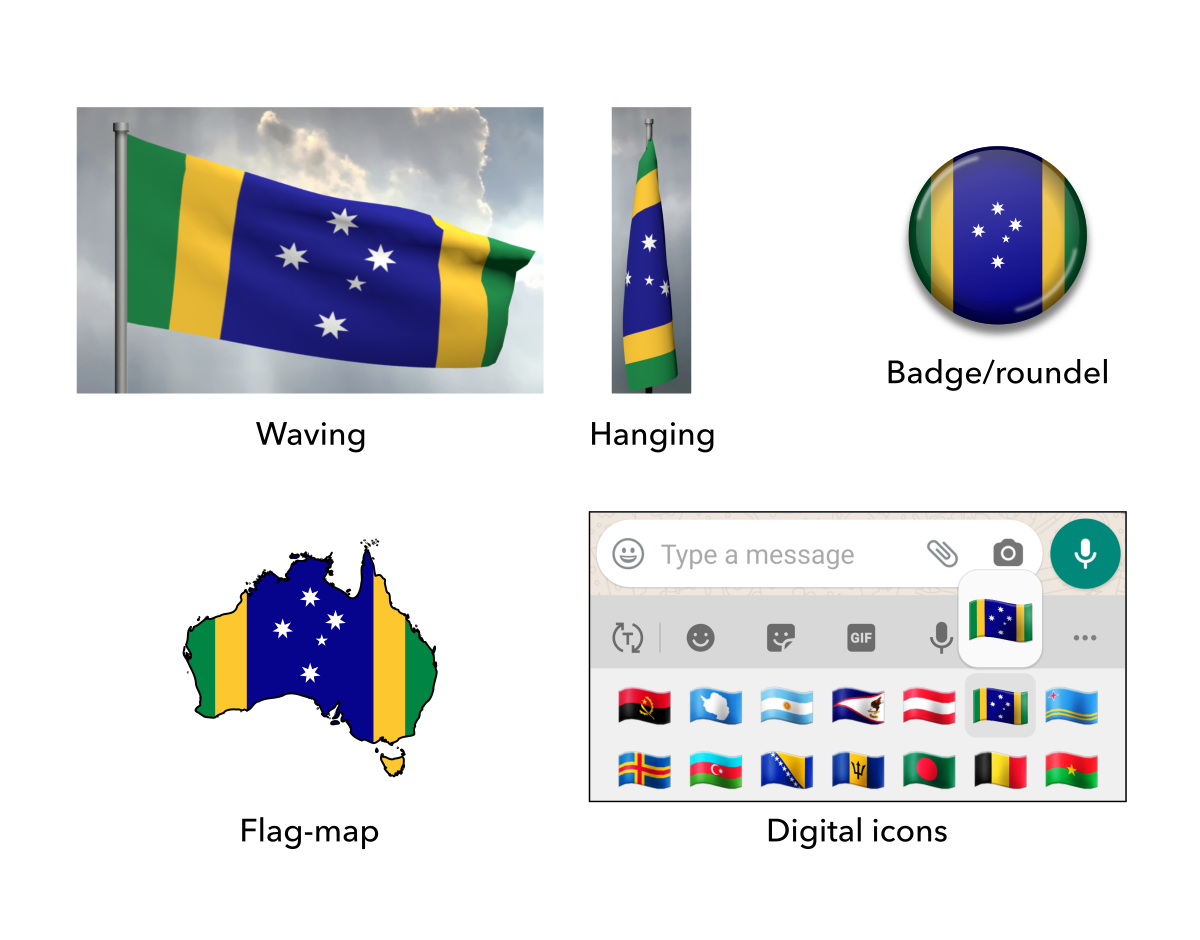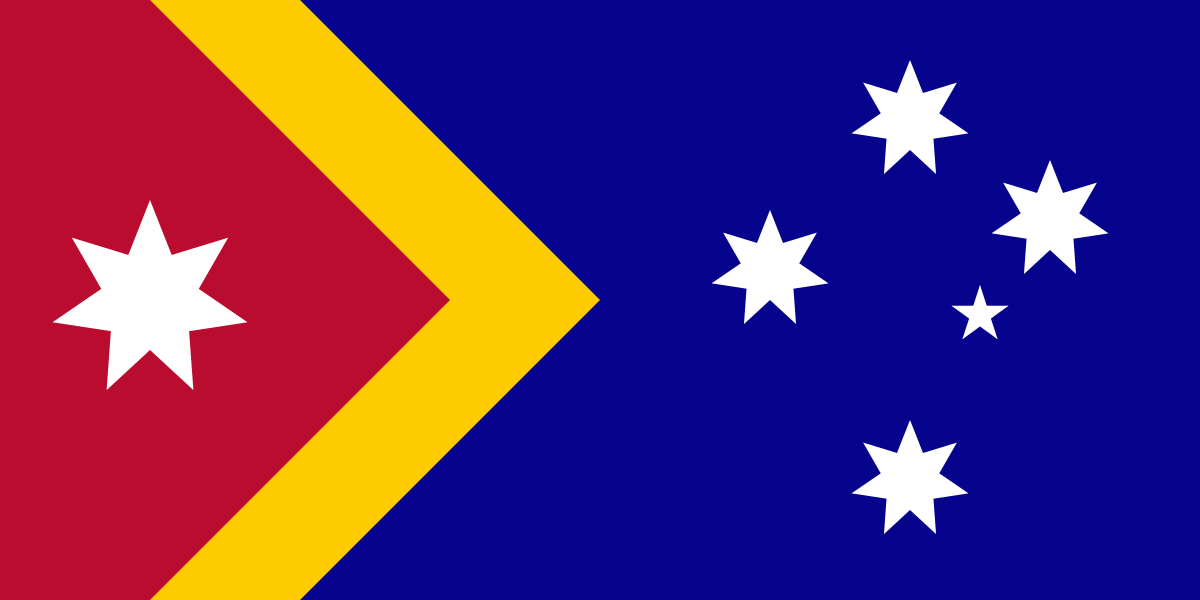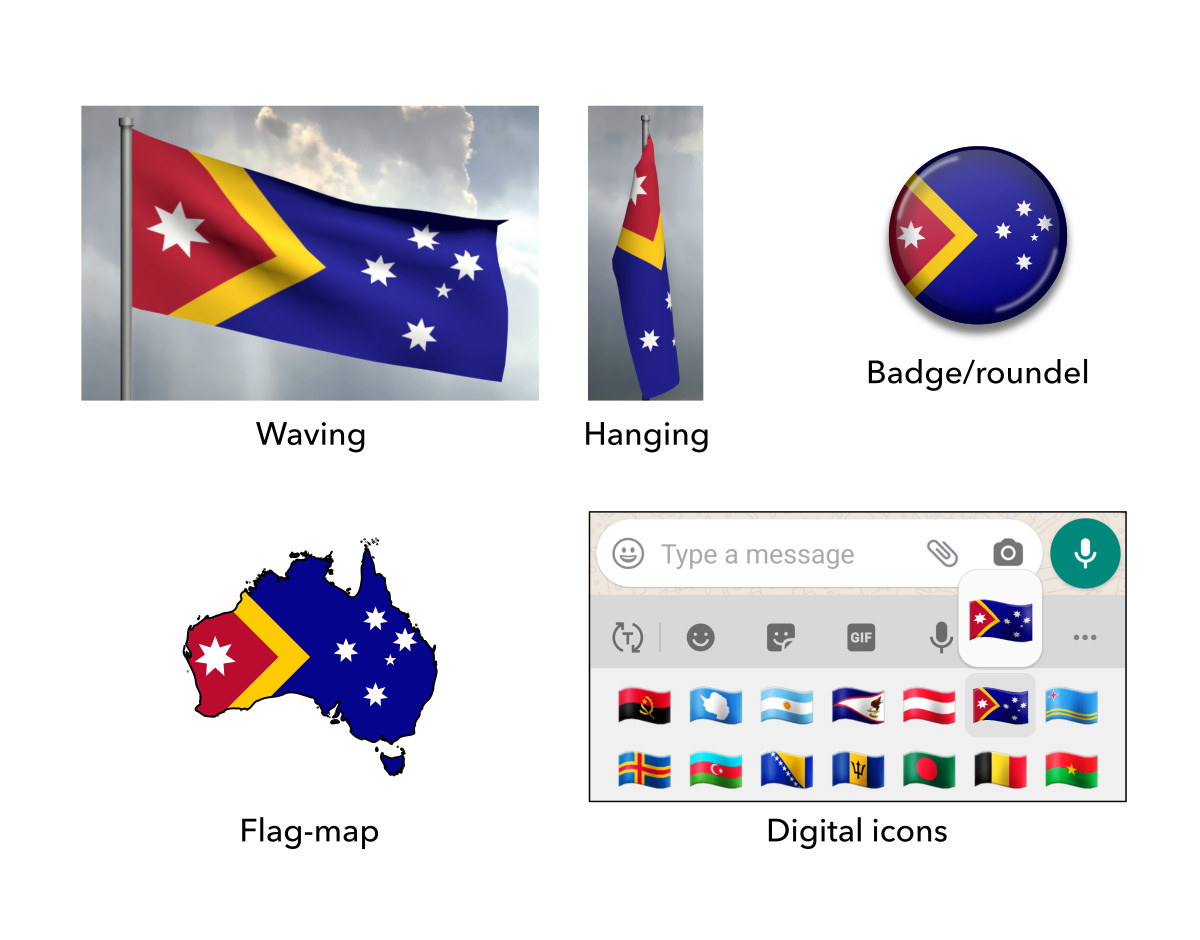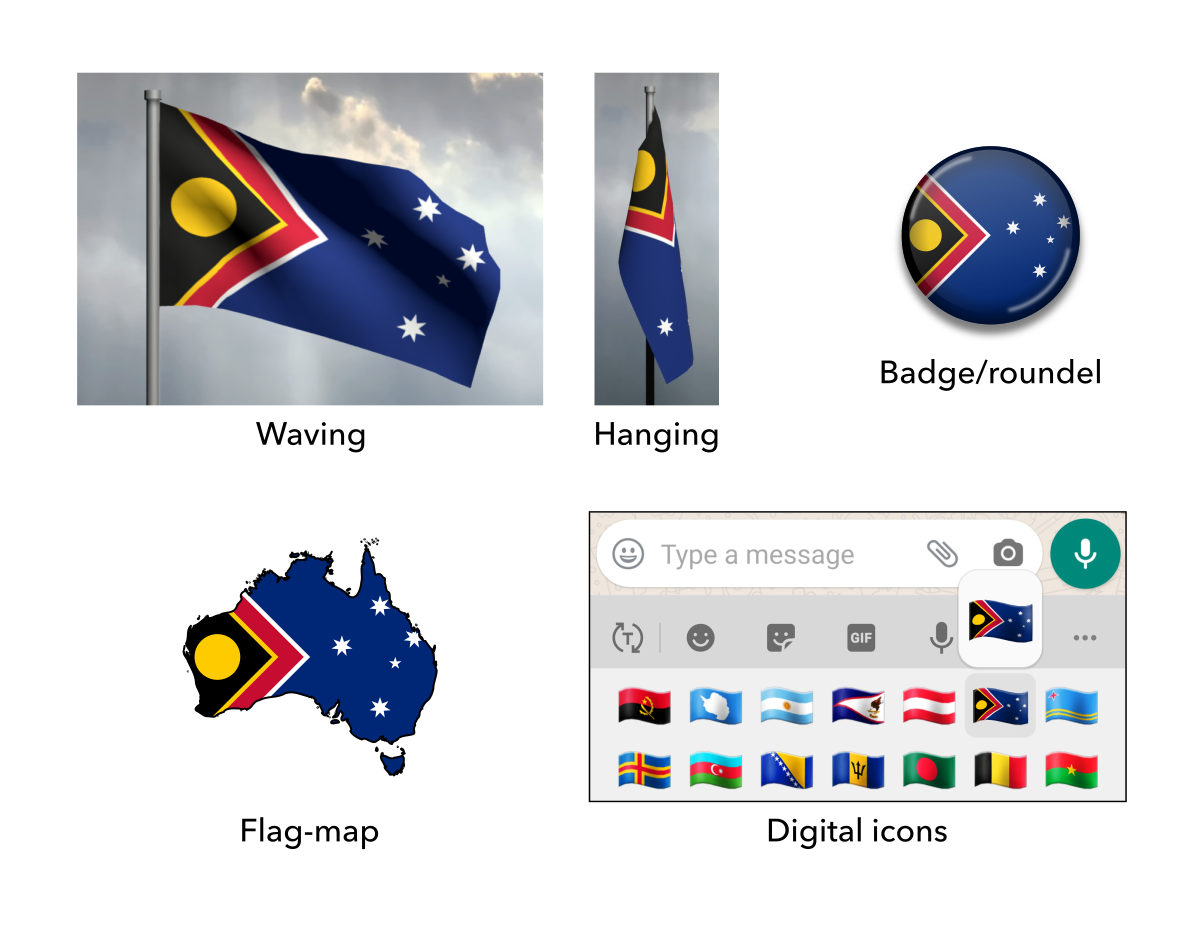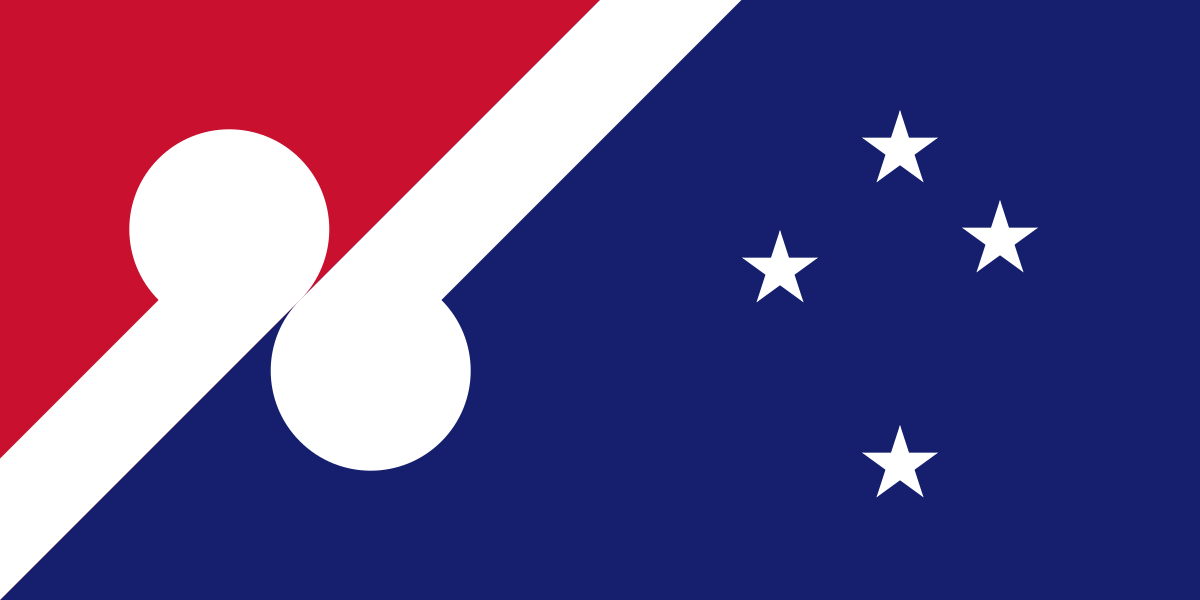
Proposed flags of Australia (updated 2026)

Flags

Executive Summary

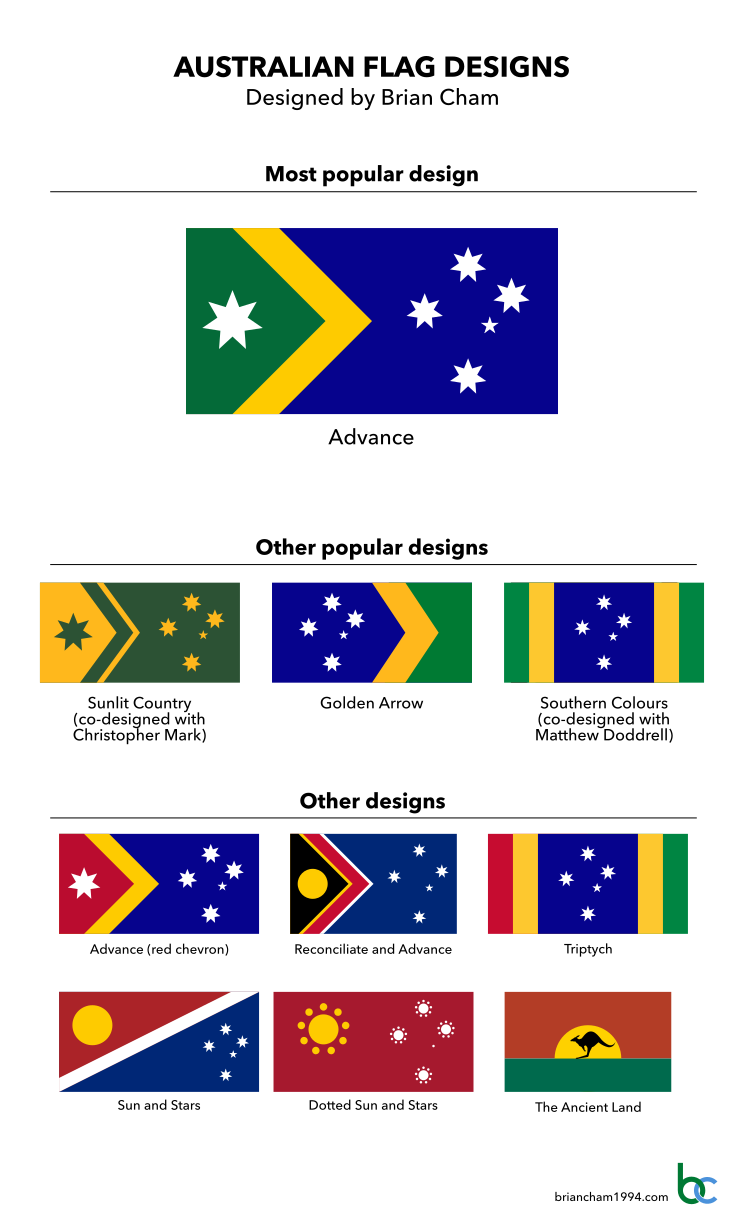
Here are all the Australian flag designs I made (or co-designed) over the years. Australia has not had an official flag competition or referendum yet but I’ll be ready once it happens!

Like all good flags, these designs are simple enough to be remembered by a child and distinct enough to be recognised at a distance. Just as I did for my New Zealand flag proposals, I put in a lot of effort researching and designing these proposals. Instead of making something that looks nice to me personally, I consulted real evidence for what appealed to people and aimed for maximum resonance. The concepts are roughly in order from most to least feasible, based on my research and popularity on Facebook and Reddit.

For a quick summary, the gallery of designs is below. For an extensive read, scroll down and expand each section to see a compilation of our design methodology and details for each flag, including high-resolution graphics, commentary, mock-ups, construction sheets and vector file downloads.

Advance is the most popular design and was voted third best out of all Australian flag redesigns in public polling on the Change the Aussie Flag Facebook group. I will leave it up to the reader to decide which designs resonate the best with them personally.
Design Process

[section permalink 🔗]

The reason why a lot of other Australian flag proposals suck is because they didn’t have a proper design methodology. I aimed to transcend this tendency and design the new Australian flag, not a new Australian flag.

Instead of just making something that looks nice and symbolic to me personally, I aimed for maximum feasibility of resonating with the public, based on real evidence and research. In other words, I activated the sympathy part of my brain alongside the aesthetic part.

This research included studying as many existing Australian flag proposals as I could to note common features and feedback, analysing why some designs were more popular than others. I also looked at Australian themed insignia, logos and graphics. Finally, I consulted surveys and campaigns.

[section permalink 🔗]

For Aotearoa New Zealand, I collated the commentary around existing proposals with a colleague, so that we could uncover the common themes and transcend the common mistakes. Many of these “deal-breakers” apply to Australian flag concepts as well. You can read more about these in the main article The Six Little-Known Deal-Breakers of Bad Flag Design which was presented at NAVA 55 and won their Driver Award. In summary:

  • Generally bad flag design – Too complicated, too many colours or elements, irrelevant symbolism and so on.
  • Looks like a logo, not a flag – By far the most common. A flag should actually look like a flag, not a corporate logo stuck into a rectangle.
  • Cheesy souvenir – Flags relying on informal elements can look like souvenirs.
  • Mystery symbolism – Roger Ebert once declared, “If you have to ask what it symbolizes, it didn’t.”
  • Designing for yourself – A lot of designers only included the themes of national identity that appealed to them, not the general public.
  • Too radical – Making a completely revolutionary design is self-sabotage. A lot of people are intimately attached to established symbolism.
  • It’s boring, but it works – Trying to satisfy everybody will end up satisfying nobody.

[section permalink 🔗]

What are the themes of national identity? I identified four of them.

  • Established symbolism – Elements from the current flag. The red, white and blue colour scheme, the commonwealth star and the southern cross. To some these are familiar and formal but to others these are too safe and boring.
  • Colloquial symbolism – Elements from local, informal culture. The green and gold colour scheme and the kangaroo. To some these are unique and authentic but to others these are too cheesy and offbeat.
  • Aboriginal symbolism – Elements from indigenous cultures. The red/ochre, white and black colour scheme, the colour red/ochre by itself, the sun, dotted patterns and the boomerang. To some these are culturally significant but to others these are too sectarian.
  • Environmental symbolism – Elements from nature. The colour green, landscapes, the sun and the kangaroo. To some these are positive and fresh but to others these are too trendy and informal.

By clarifying these, I can make designs that harmoniously appeal to multiple themes, which will resonate with more people. The “established symbolism” has the most appeal so an effective design will have to focus on this.

The themes are summarised in the Euler diagram below.

The four symbolic themes of Australian graphical identity.

[section permalink 🔗]

Flag proposals have sometimes competed in head-to-head in ranked competitions or discussions. I used a statistical technique called “regression analysis” to identify which colours and symbols were most associated with success (public resonance). These successful elements were the colours red, white, blue and gold, and the southern cross in its current form (i.e. white on blue).

However, some of these competitions and surveys were from years ago, so the conclusions could be oudated. By today’s standards, the strong preference for red, white and blue is obviously quite conservative. Newer surveys tend to reveal preferences for green and gold instead (see the section below).

[section permalink 🔗]

A 2016 University of Western Sydney survey asked the Australian public what they wanted in a new flag (Jones, 2016). Results:

  • The most common requests were “simplicity”, “Southern Cross”, and “Green and Gold”.
  • Respondents were split between those who wanted recognition of indigenous cultures and those who wanted a culturally neutral design.
  • When presented with a few examples, respondents preferred designs that were similar to the current flag in layout.

Some have also asked about indigenous viewpoints and consultation. A 1994 survey asked indigenous groups across the country what they wanted in a new flag (Mee, 2018). These were universal responses:

  • They though the issue was quite pressing.
  • They did not want the Union Jack.
  • They wanted it to feature indigenous cultures in some way.
  • They did not want the Aboriginal flag included in its entirety.

However, opinions varied on how exactly they wanted their cultures to be represented visually.

A 1998 museum exhibition of national flag proposals included some designs featuring indigenous symbols like the Aboriginal colours (black, gold and red), dot patterns, a golden sun and the stripe layout of the Aboriginal flag. These proposals were specifically praised in a speech by Dr. Lowitja O’Donoghue, who at the time was the Chairperson of the Aboriginal and Torres Strait Islander Commission, the highest national indigenous representative body. She made the following comment (O’Donoghue, 1998):

“[Overseas visitors] appreciate the unique aspects of our country including the contribution that Australia’s indigenous people make to our national identity. I’m pleased to see that many of the designs on display here today include a reference to indigenous culture, or the colours of the indigenous flags. But the most important thing is that our new flag should he acceptable to all of us.”


Most Popular Design
[section permalink 🔗]

Advance
Advance

Explanation

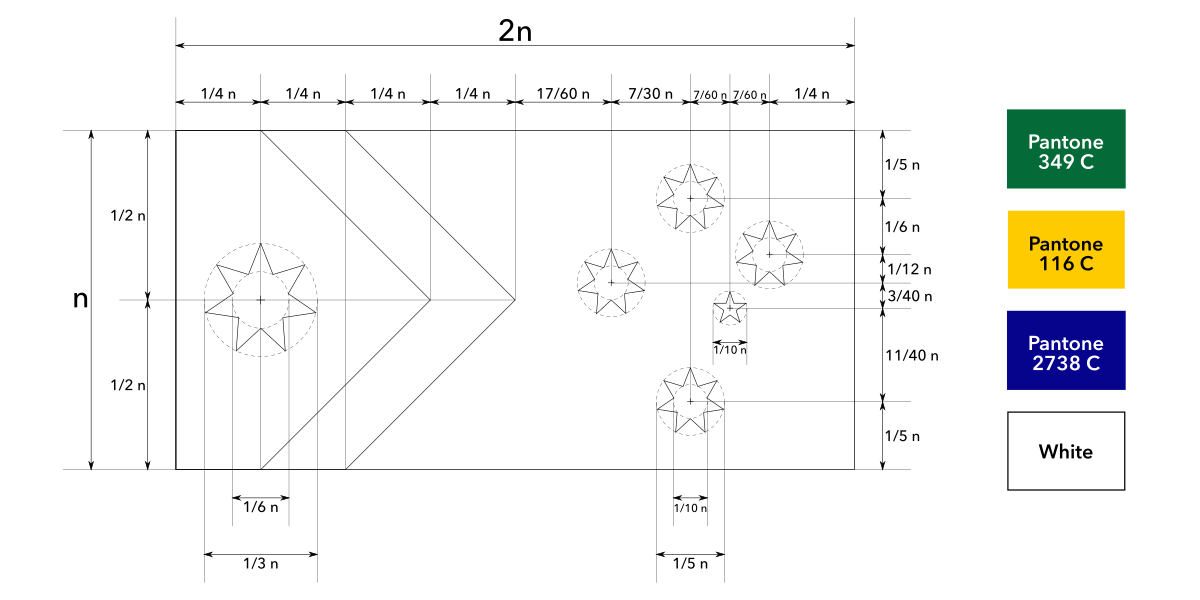
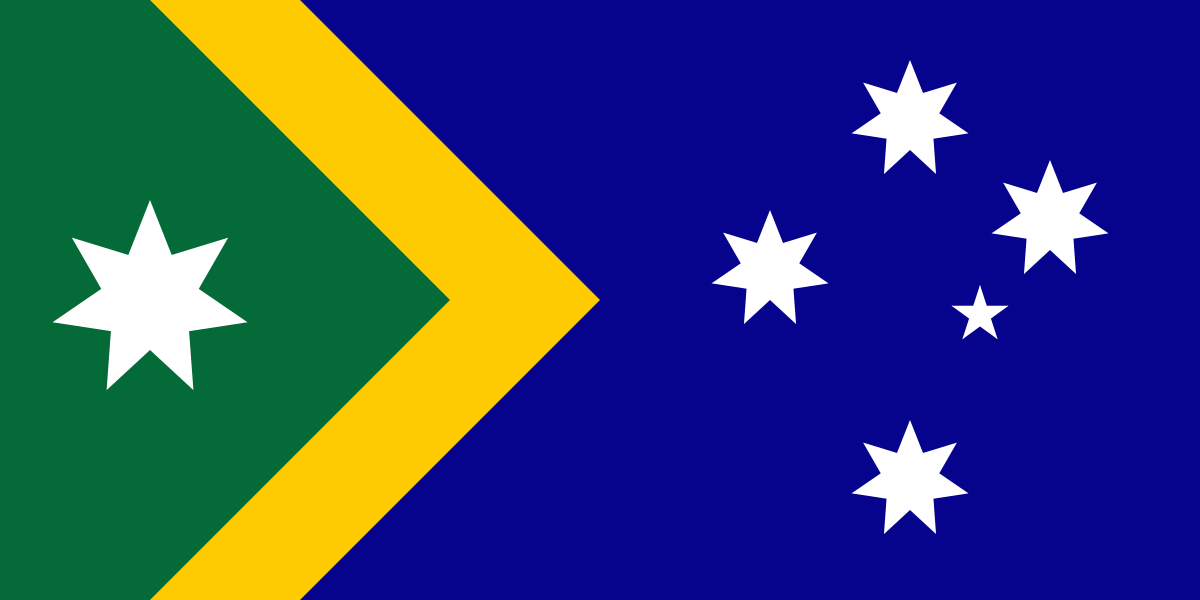
Advance is based on the same layout as the current flag, aiding recognition and establishing continuity. The hoist features a chevron representing unity and advancement, reflecting the country’s motto “Advance Australia”. It also subtly resembles a boomerang, representing the country’s milennia of indigenous history. Within the chevron is the Commonwealth Star, where the points represent the states and territories of Australia. The fly features the southern cross in the same form as the current flag, representing the country’s location in the Southern Hemisphere and shared history.

Green represents the lush nature, gold represents the beaches, mineral wealth and golden wattle, blue represents the boundless ocean and white represents peace. Green and gold are the official national colours, while the blue field is retained from the current flag.

Commentary

In 2022, Advance was voted the third best of all Australian flag designs in public polling conducted by the Facebook group “Change the Aussie flag”. As of 2026, it remains on their banner of top polling flag designs.

Mock-ups
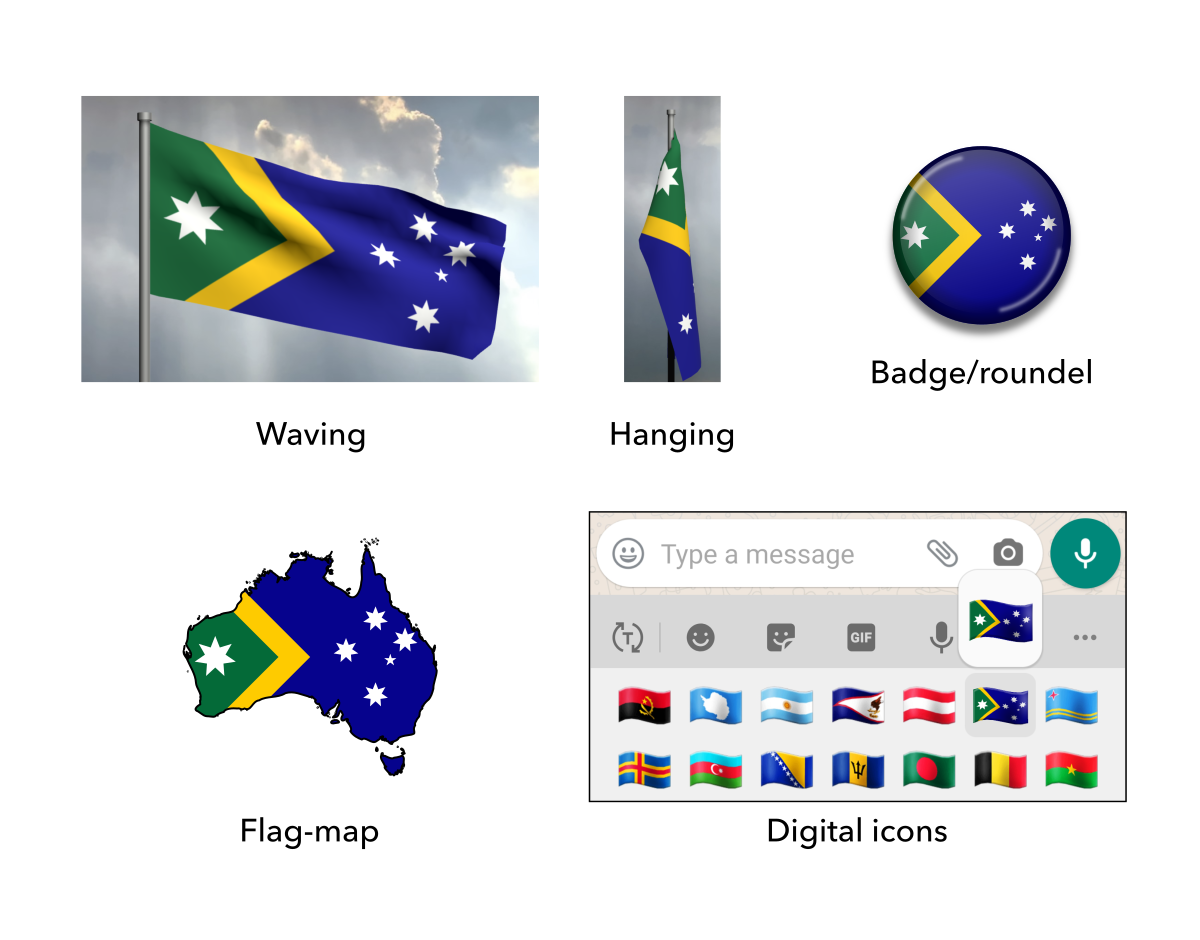
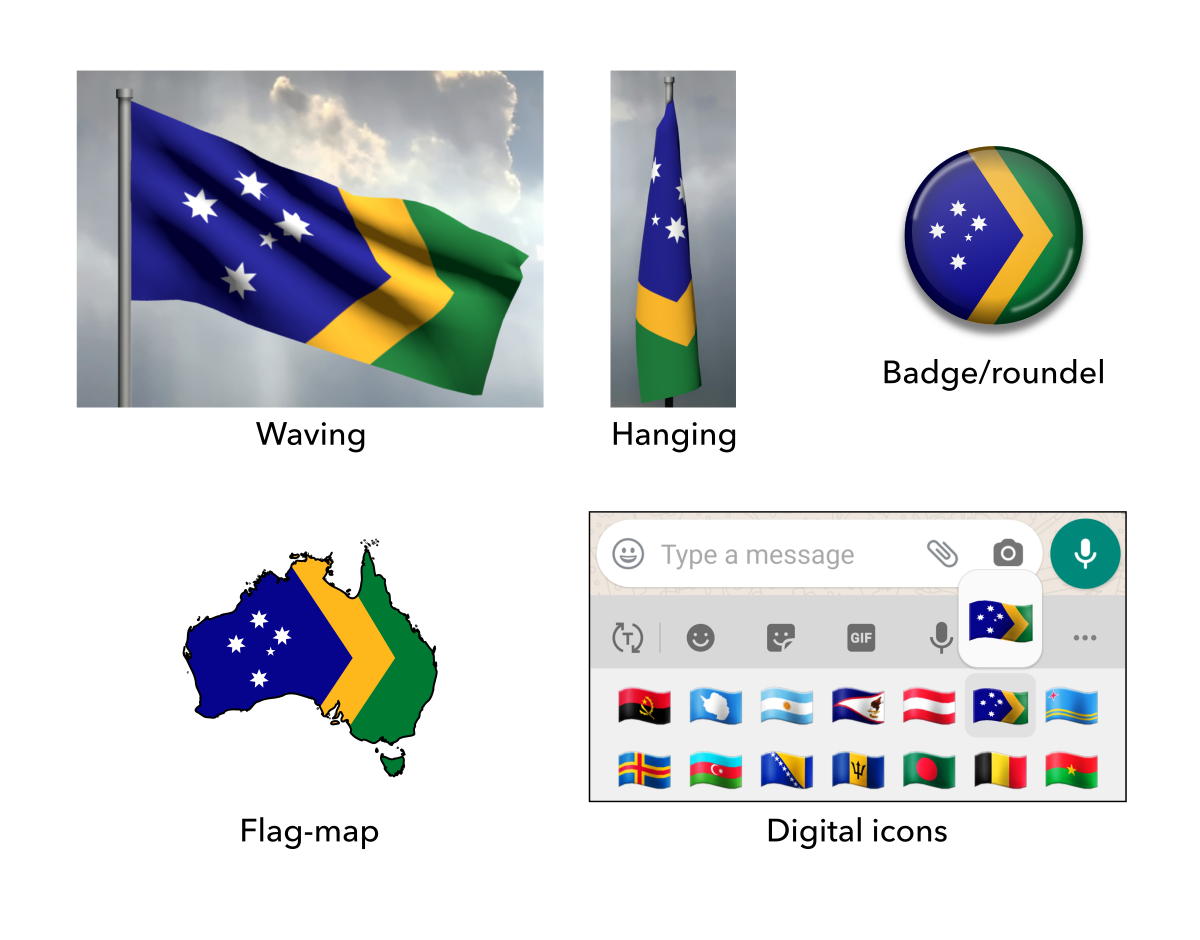
Mock-ups for Advance

Construction sheet

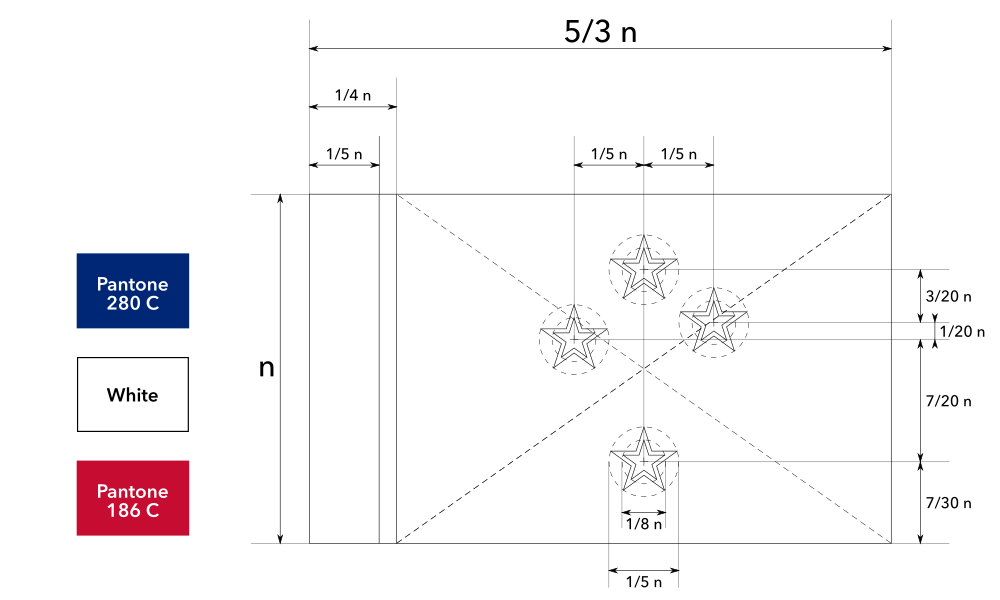
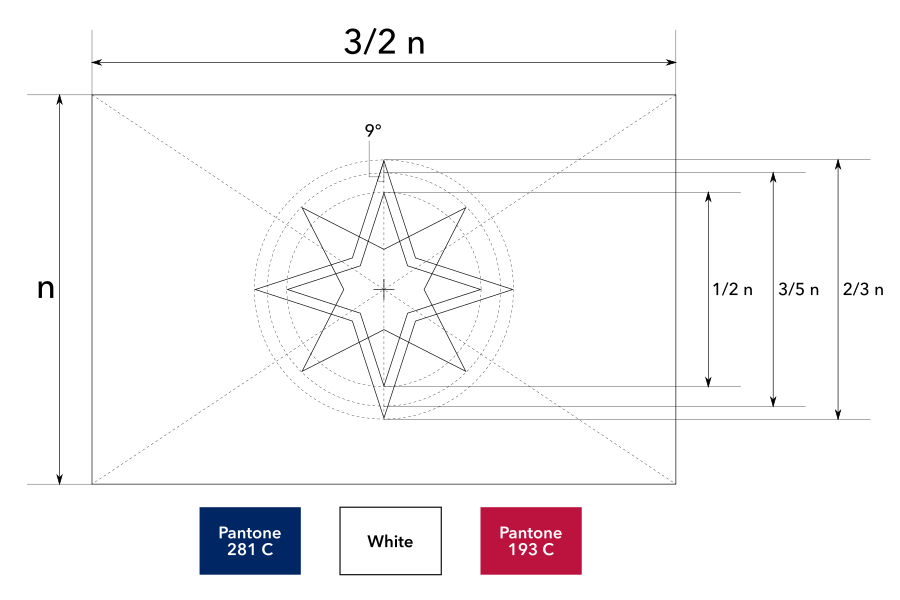
Construction sheet for Advance

Vector file download


Other Popular Designs
[section permalink 🔗]

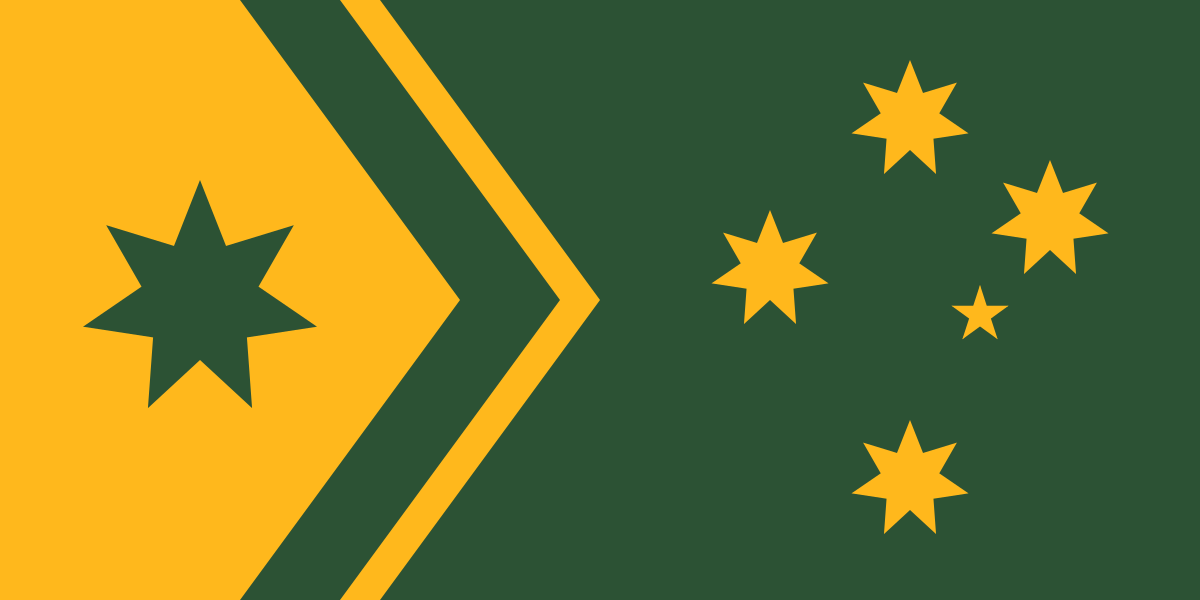
Sunlit Country

Explanation

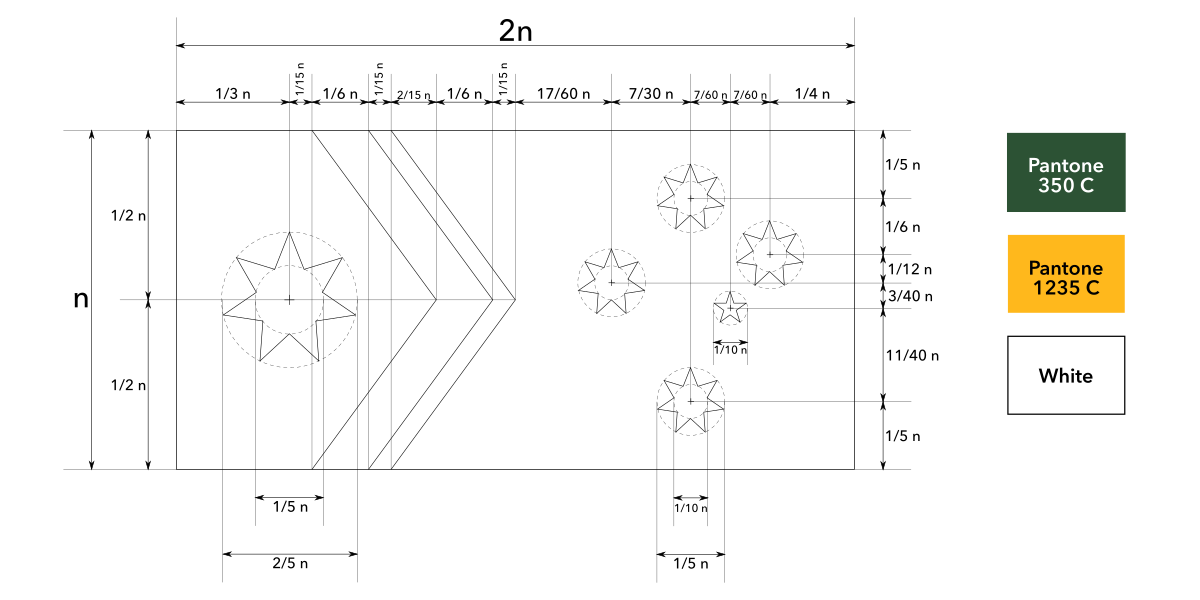
Sunlit Country is based on the same layout as the current flag, aiding recognition and establishing continuity. The hoist features a chevron representing unity and advancement, reflecting the country’s motto “Advance Australia”. It also subtly resembles a boomerang, representing the country’s milennia of indigenous history.Within the chevron is the Commonwealth Star, where the points represent the states and territories of Australia. The fly features the southern cross, representing the country’s location in the Southern Hemisphere and shared history.

Green and gold are the official national colours. Green represents the lush nature and gold represents the beaches, mineral wealth and golden wattle.

Commentary

Co-designed with Christopher Mark. From 2022 to 2026, it was on the banner of the Facebook group “Change the Aussie flag”, marking one of the top polling designs out of all Australian flag proposals.

Mock-ups
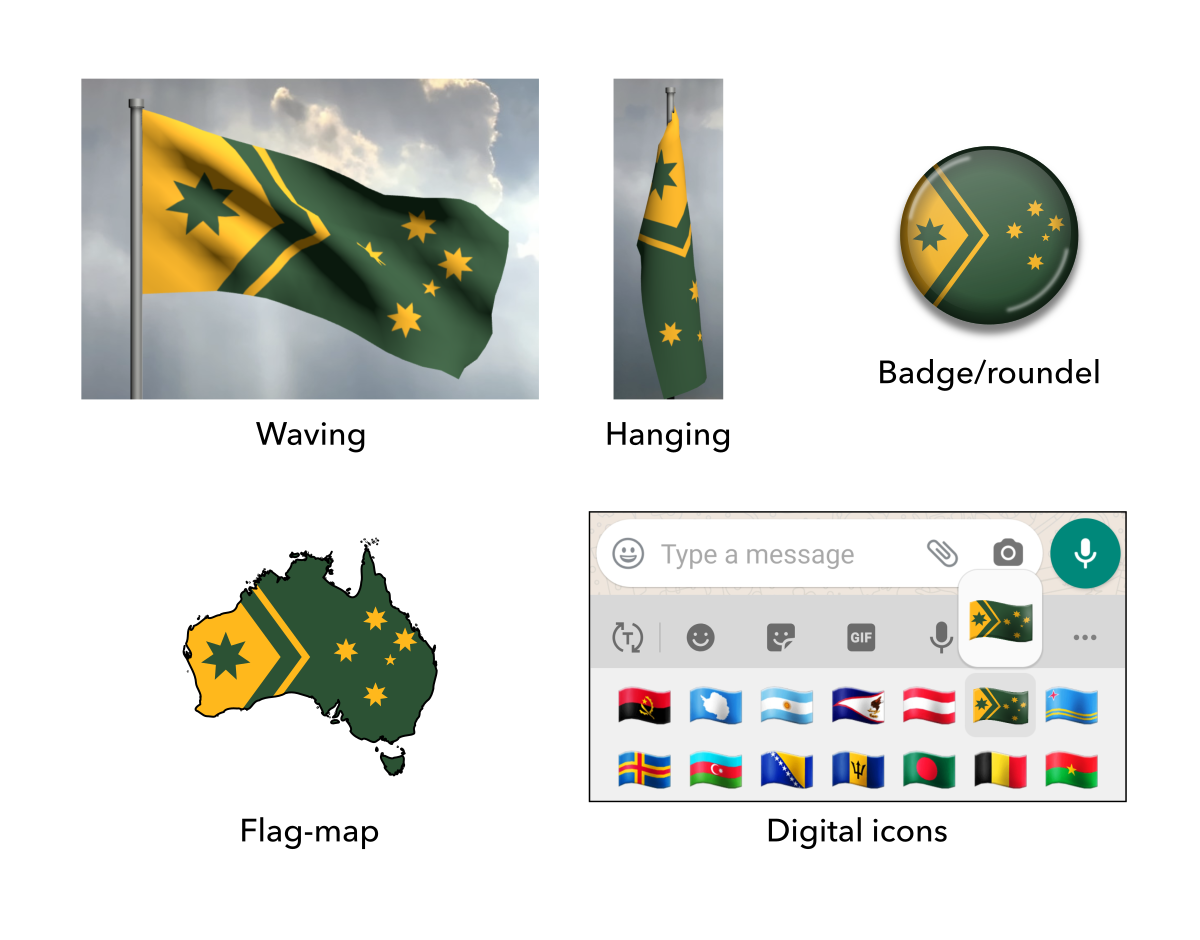
Mock-ups for Sunlit Country

Construction sheet

Construction sheet for Sunlit Country

Vector file download

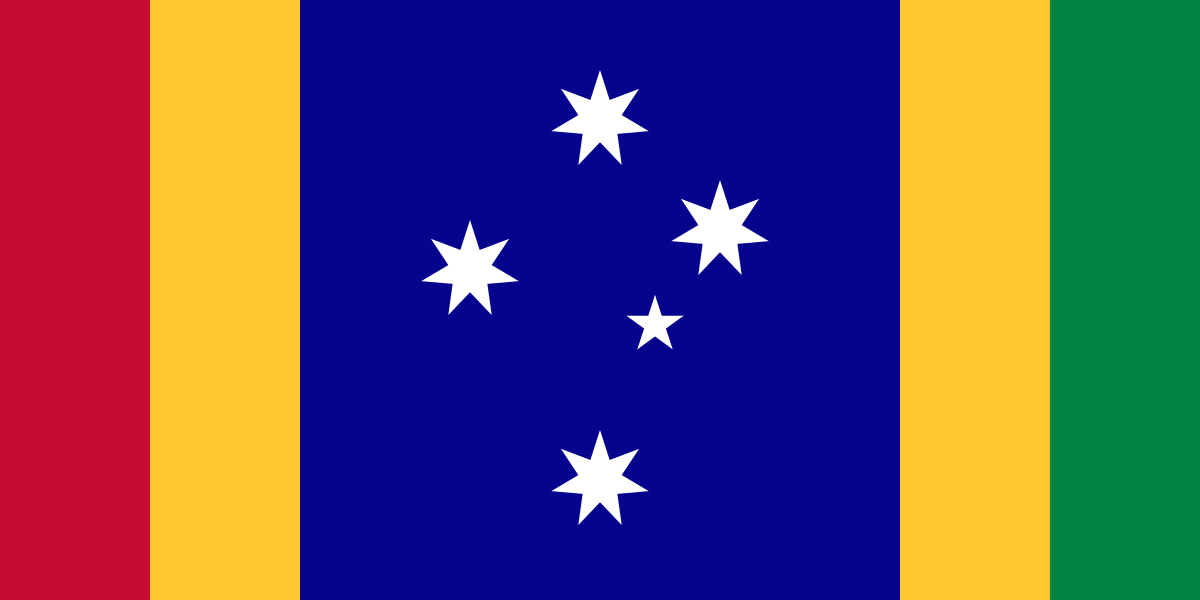
[section permalink 🔗]

Golden Arrow

Explanation

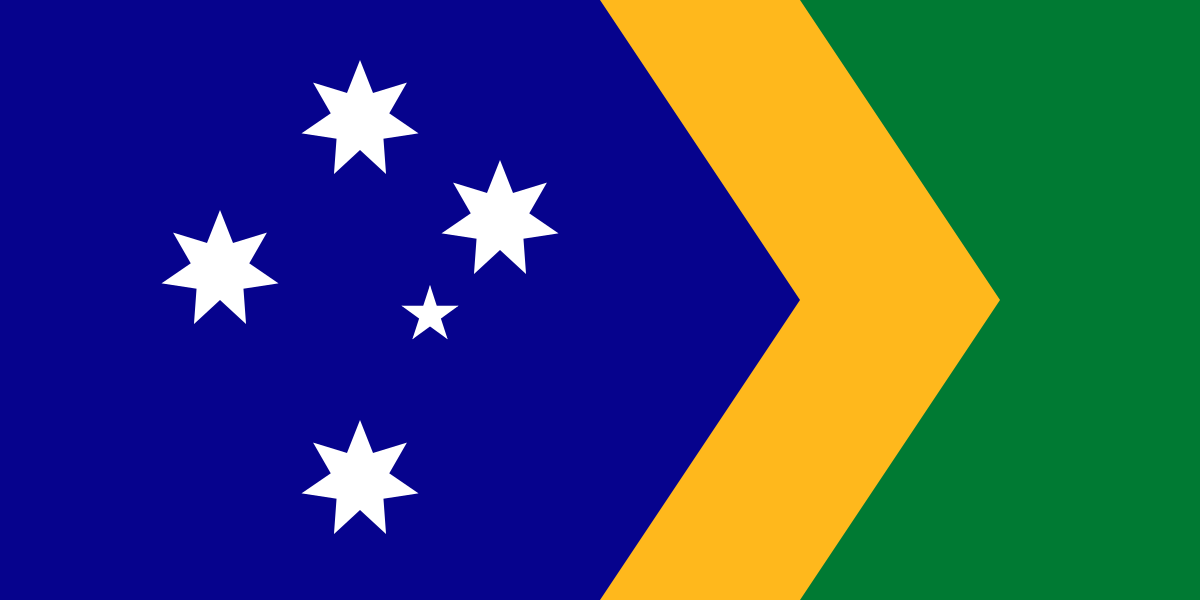
Golden Arrow is based on the southern cross on blue field, representing the country’s location in the Southern Hemisphere and shared history. It is in the same form as the current flag to aid recognition and establish continuity.

The fly features a chevron representing unity and advancement, reflecting the country’s motto “Advance Australia”. It also subtly resembles a boomerang, representing the country’s milennia of indigenous history.

Green represents the lush nature, gold represents the beaches, mineral wealth and golden wattle, blue represents the boundless ocean and white represents peace. Green and gold are the official national colours, while the blue field is retained from the current flag.

Commentary

This design is a simplified version of Advance, using the Southern Cross as the main focus.

Mock-ups

Mock-ups for Golden Arrow

Construction sheet

Construction sheet for Golden Arrow

Vector file download

[section permalink 🔗]

Southern Colours

Explanation

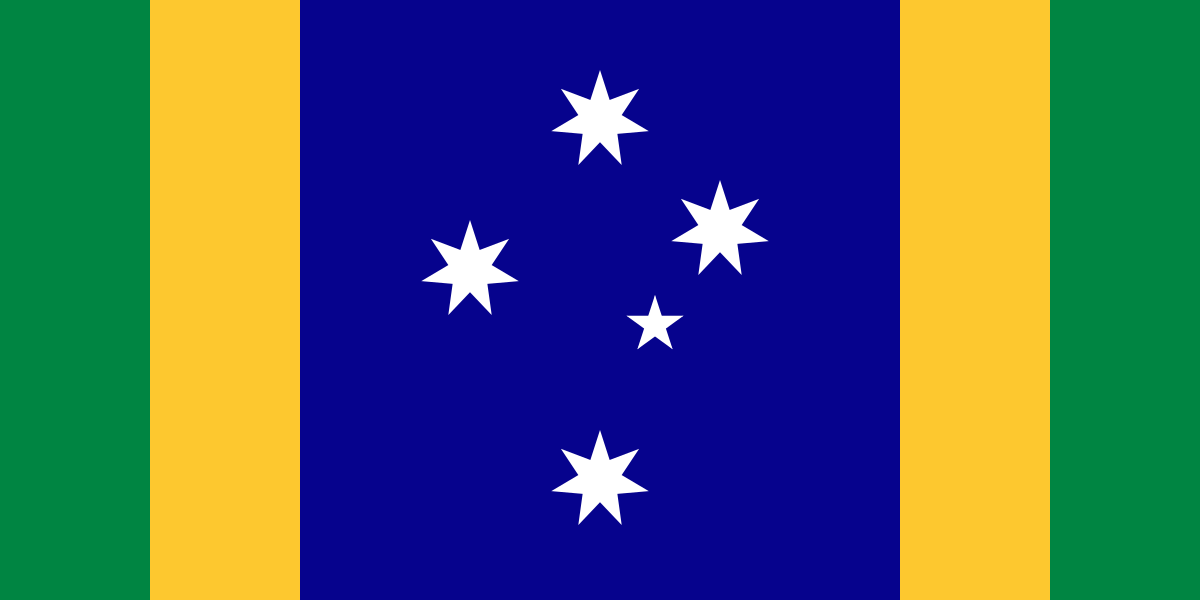
Southern Colours is based on the southern cross on blue field, representing the country’s location in the Southern Hemisphere and shared history. It is in the same form as the current flag to aid recognition and establish continuity.

The stripes on the sides represent the country’s coasts on the Indian Ocean and Pacific Ocean.

Green represents the lush nature, gold represents the beaches, mineral wealth and golden wattle, blue represents the boundless ocean and white represents peace. Green and gold are the official national colours, while the blue field is retained from the current flag.

Commentary

I designed this one with Matthew Doddrell. We both independently came up with a similar idea, and then we collaborated to make a compromise design with the best proportions and colours. He came up with the poetic name.

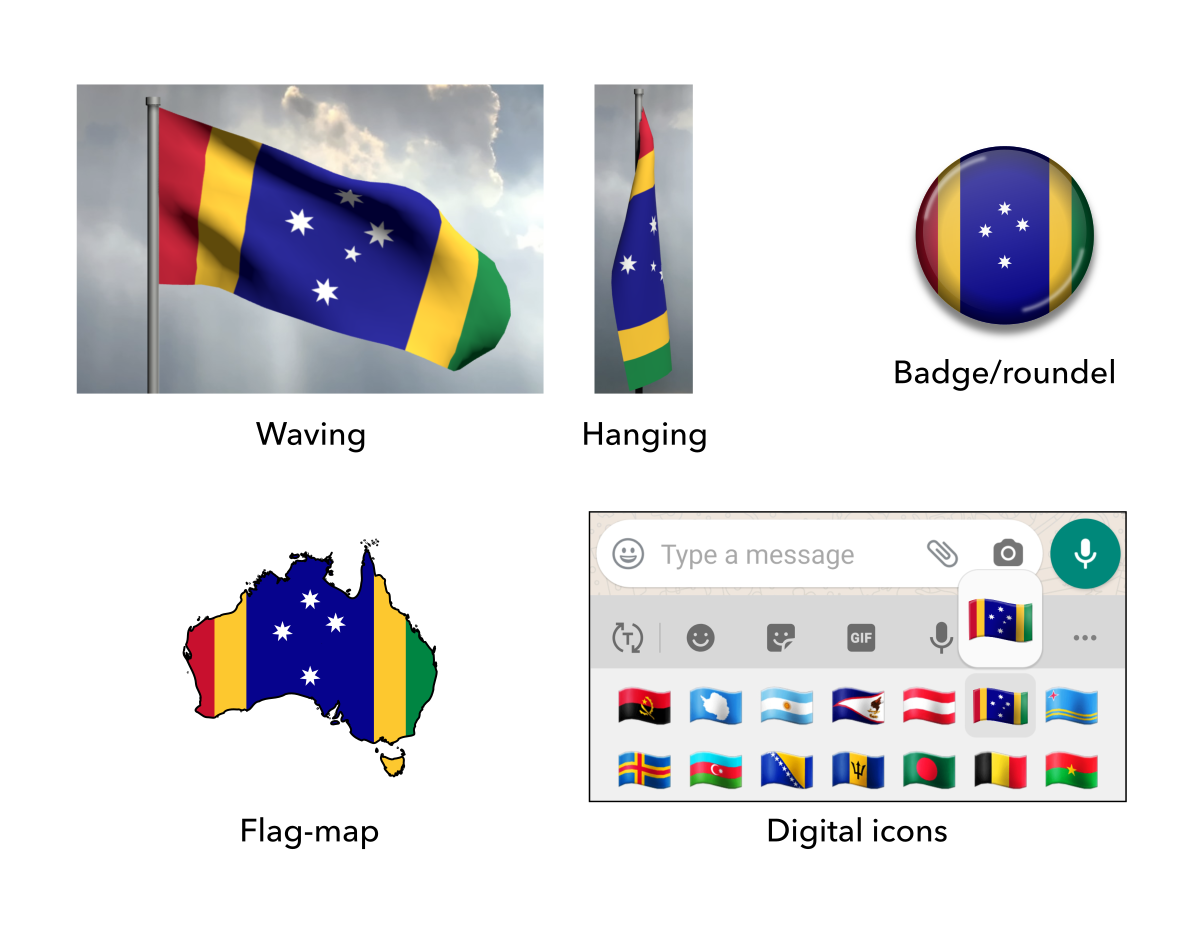
Mock-ups

Mock-ups for Southern Colours

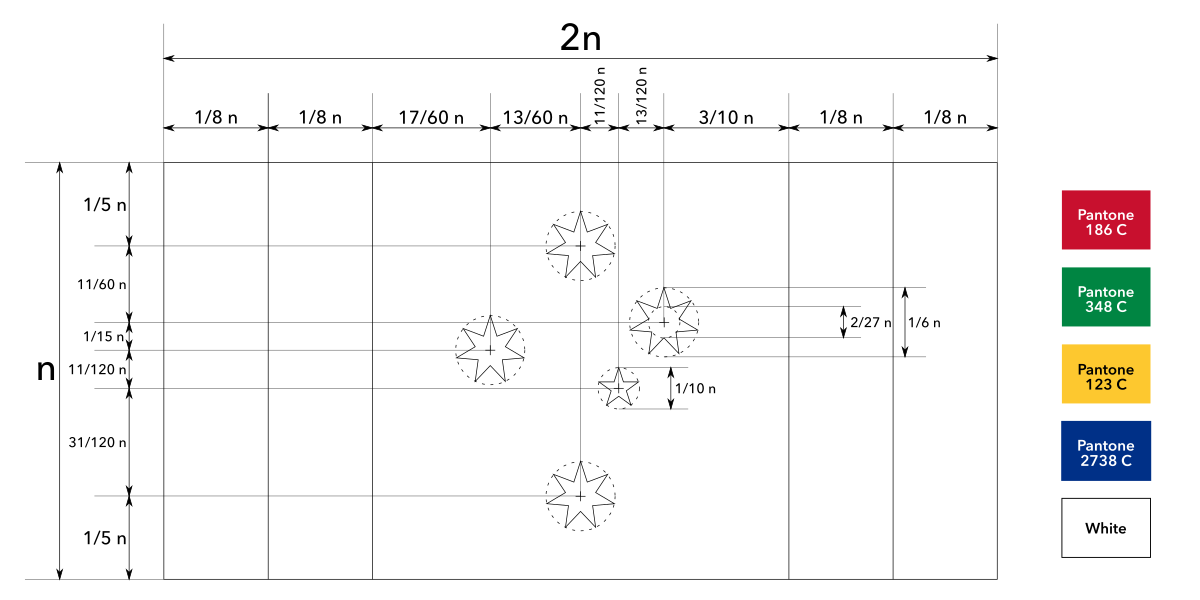
Construction sheet

Construction sheet for Southern Colours

Vector file download


Other Designs

[section permalink 🔗]

Advance (red chevron)

Explanation

Advance (red chevron) is based on the same layout as the current flag, aiding recognition and establishing continuity. The hoist features a chevron representing unity and advancement, reflecting the country’s motto “Advance Australia”. It also subtly resembles a boomerang, representing the country’s milennia of indigenous history. Within the chevron is the Commonwealth Star, where the points represent the states and territories of Australia. The fly features the southern cross in the same form as the current flag, representing the country’s location in the Southern Hemisphere and shared history.

Red represents the land, gold represents the beaches, mineral wealth and golden wattle, blue represents the boundless ocean and white represents peace. The blue field is retained from the current flag.

Commentary

If this design seems annoyingly familiar, you are probably thinking of Captain Marvel.

Mock-ups

Mock-ups for Advance (red chevron)

Construction sheet

Construction sheet for Advance (red chevron)

Vector file download

[section permalink 🔗]

Reconciliate and Advance

Explanation

Reconciliate and Advance combines features of the Aboriginal flag and current national flag.

The hoist features the black, gold and red colour scheme from the Aboriginal flag, as well as the sun representing energy, life and the country’s climate. The fly features the red, white and blue colour scheme from the current flag, as well as the southern cross representing the country’s location in the Southern Hemisphere.

Red is at the meeting point of both parts of the flag because red is shared between both colour schemes. It takes the form of a chevron, representing unity and advancement.

Commentary

This design was the most popular on Reddit and Facebook. It was actually the precursor to Advance (above). It has more explicit Aboriginal symbolism but has more colours.

Mock-ups

Mock-ups for Reconciliate and Advance

Construction sheet

Construction sheet for Reconciliate and Advance

Vector file download

[section permalink 🔗]

Triptych

Explanation

Triptych is based on the southern cross on blue field, representing the country’s location in the Southern Hemisphere and shared history. It is in the same form as the current flag to aid recognition and establish continuity.

The stripes on the sides represent the country’s coasts on the Indian Ocean and Pacific Ocean.

Red represents the land, green represents the lush flora, gold represents the beaches, mineral wealth and golden wattle, blue represents the boundless ocean and white represents peace. Green and gold are the official national colours, while the blue field is retained from the current flag.

Commentary

This design has the most colours of all my designs, but that’s deliberate.

Mock-ups

Mock-ups for Triptych

Construction sheet

Construction sheet for Triptych

Vector file download

[section permalink 🔗]

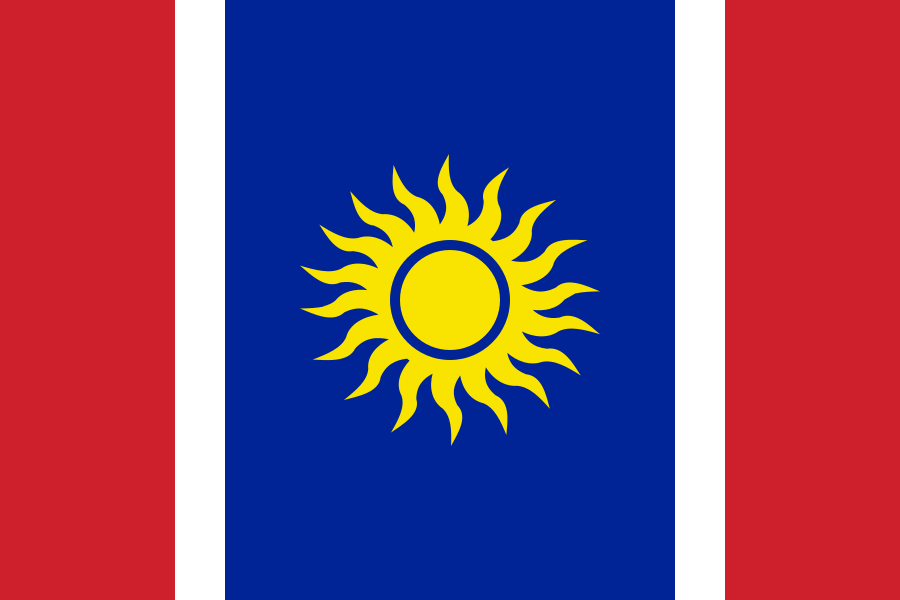
Sun and Stars
Sun and Stars

Explanation

Sun and Stars combines simplified features of the Aboriginal flag and current national flag.

The hoist features the sun and red field from the Aboriginal flag, representing energy, life and the country’s climate. The fly features the the southern cross and blue field from the current flag, representing the country’s location in the Southern Hemisphere.

A white stripe is at the meeting point of both parts of the flag to represent peace between all people.

Commentary

This one is also nice and simple. However, for some, it suffers from a lack of a single focus.

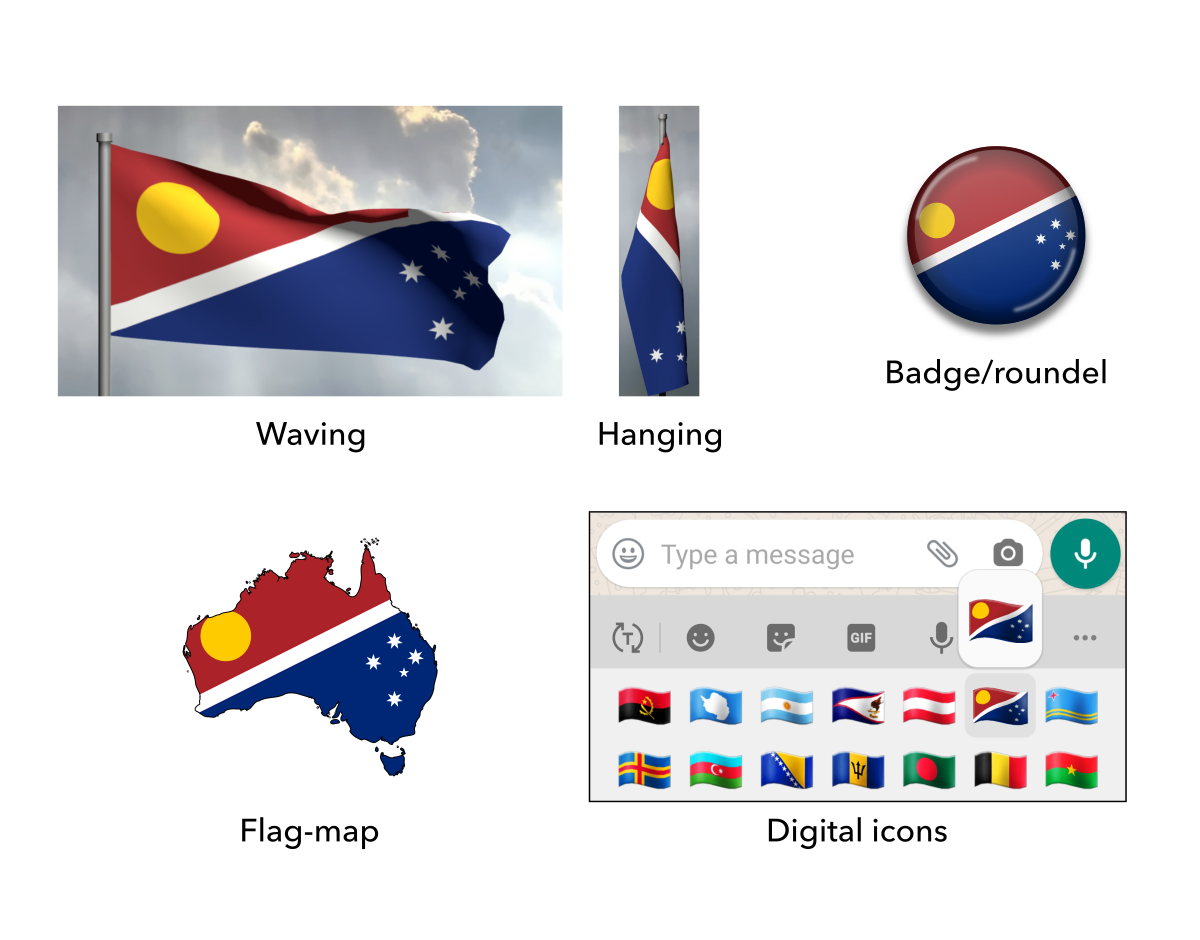
Mock-ups

Mock-ups for Sun and Stars

Construction sheet

Construction sheet for Sun and Stars

Vector file download

[section permalink 🔗]

Dotted Sun and Stars

Explanation

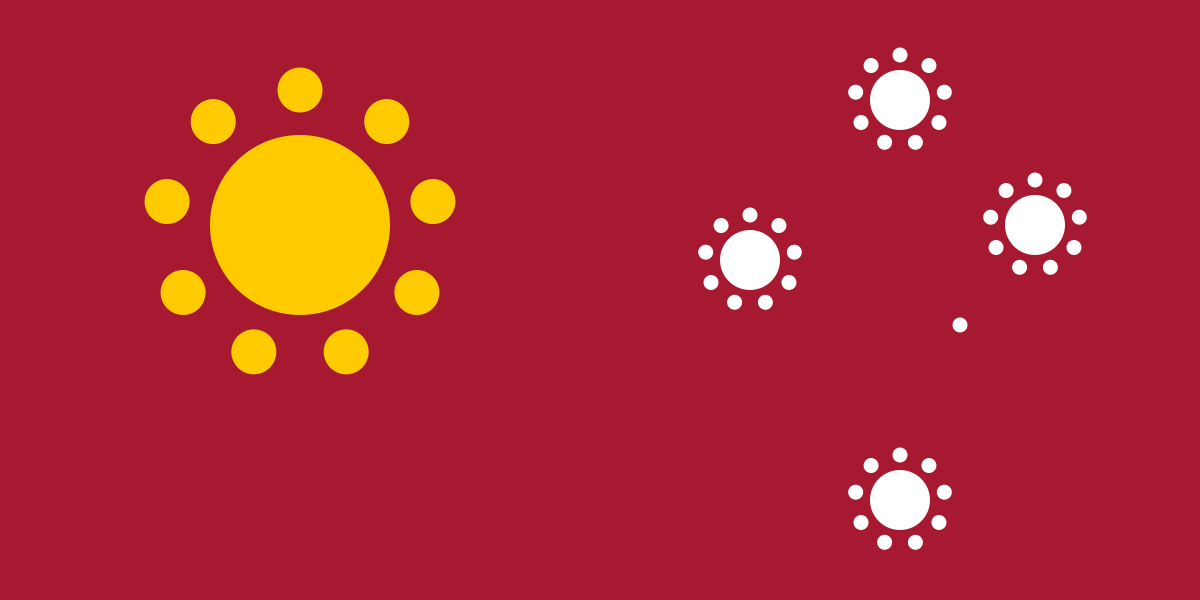
Dotted Sun and Stars portrays elements of the current national flag using stylised Aboriginal dot art.

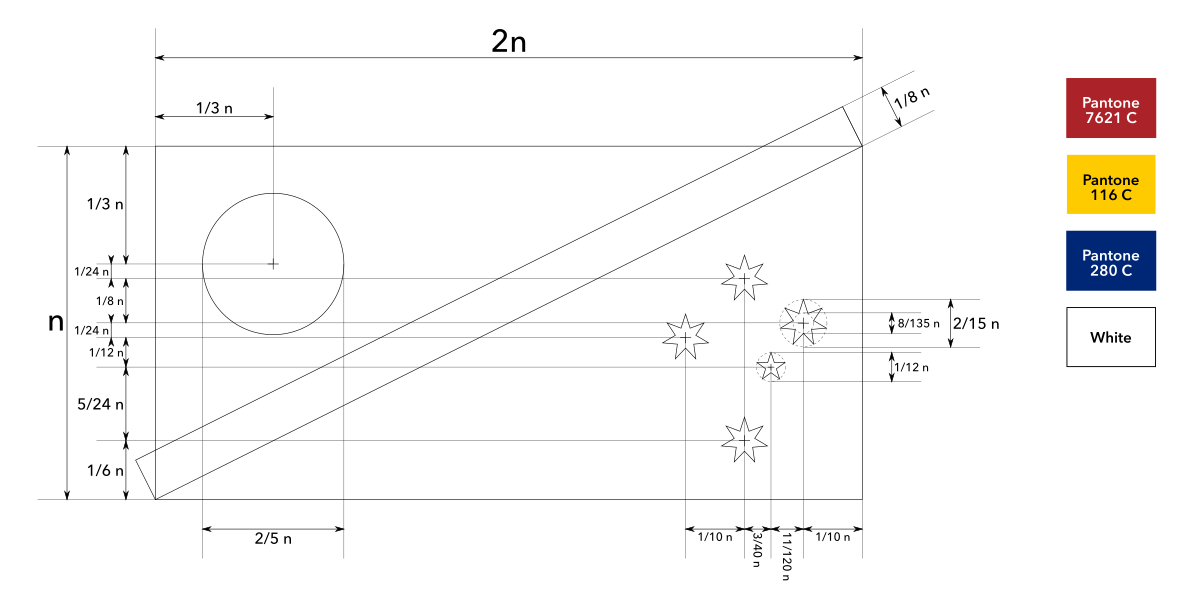
The red field represents the land. The canton features the golden sun, representing energy, life and the country’s climate. The fly features the southern cross, representing the country’s location in the Southern Hemisphere. The nine dots around the sun and stars represent the constituent parts of Australia: Eight points for the mainland states and territories, and one last point for external territories and allies together.

Commentary

This design is the direct counterpart to my New Zealand flag proposal Flourishing Together.

This one was inspired by an Australian Aboriginal art exhibition in Vancouver. It incorporates that cultural influence without using the Aboriginal flag itself like many other concepts try to do. This one was said to be “too Aboriginal” to be accepted by Australia as a whole, which is probably true, but it looks too cool to not show it here.

Here I intended to combine the Commonwealth Star and the Aboriginal sun design in an elegant way. The current Commonwealth Star has seven points which I find to be clunky – currently, six points stand for the six original states and the seventh point stands for all territories and future states. Since this design did not need to appear conventional, I took the opportunity to update it to nine, which I feel is more appropriate and timeless: Eight points for the mainland states and territories and one point for external territories and allies. This makes more sense geographically and is future-proofed against the strong possibility of Northern Territory becoming a state.

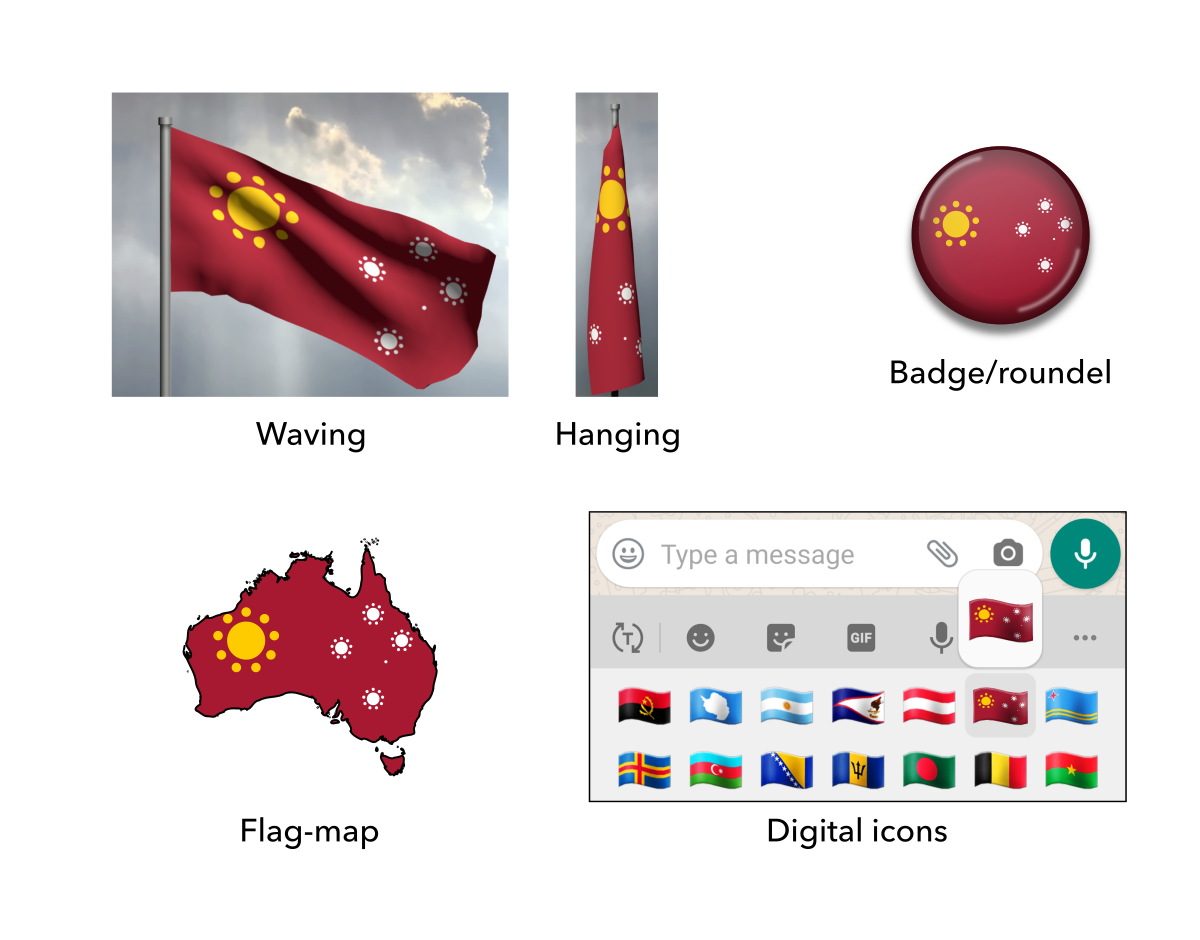
Mock-ups

Mock-ups for Dotted Sun and Stars

Construction sheet

Construction sheet for Dotted Sun and Stars

Vector file download

[section permalink 🔗]

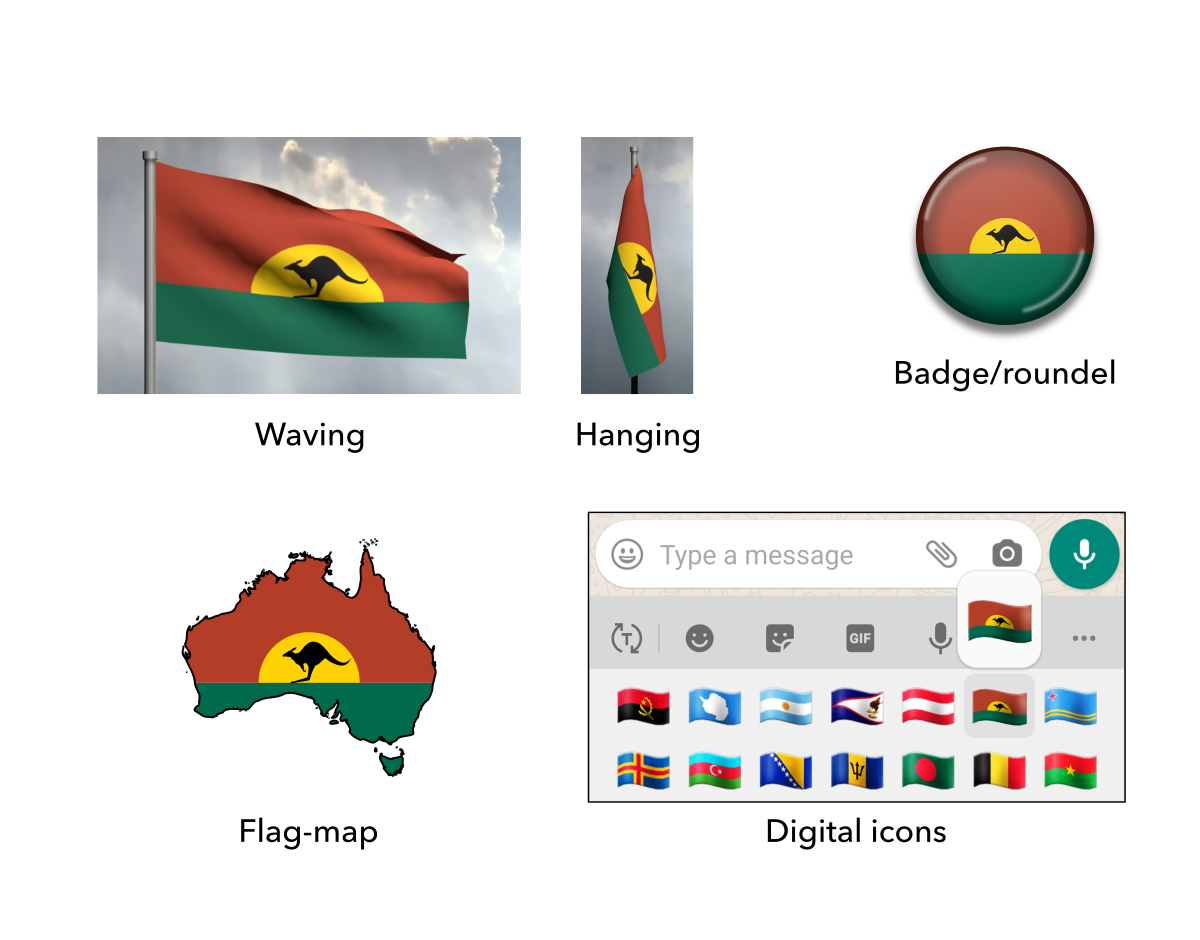
The Ancient Land
The Ancient Land

Explanation

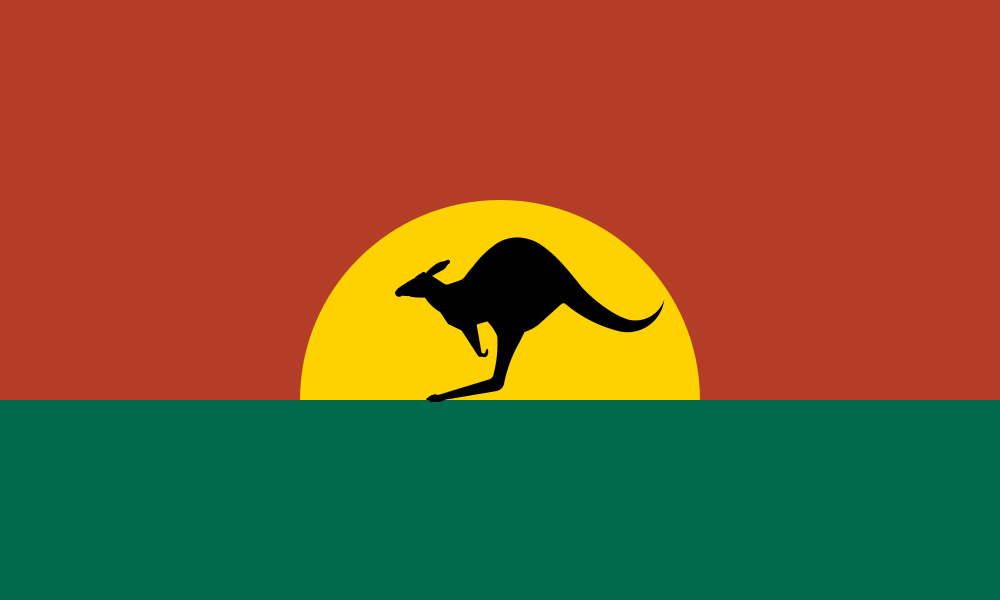
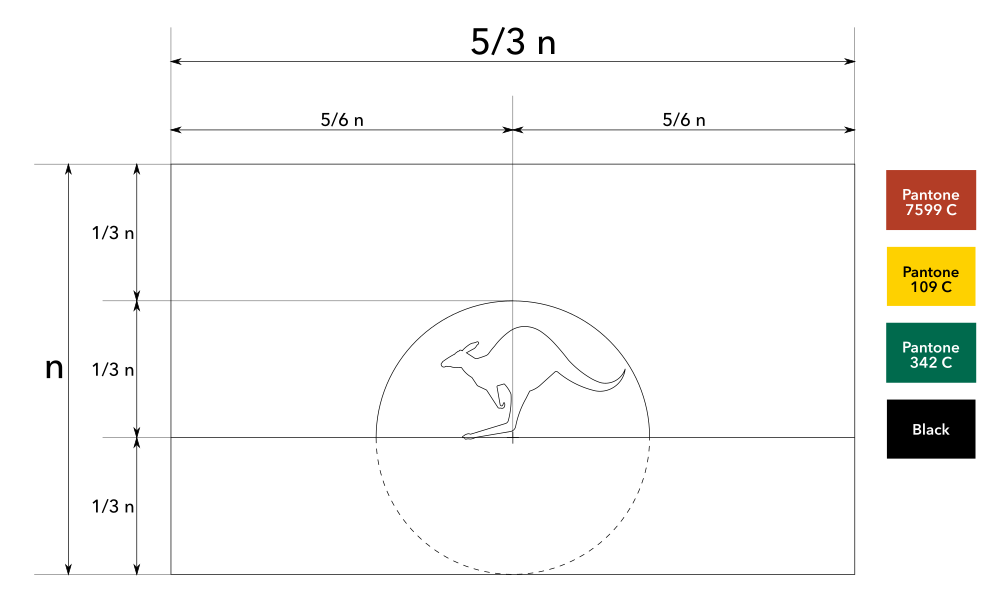
The Ancient Land eschews any symbolism from the current flag in favour of a totally unique landscape depiction. The big sunset at the top and the flat land at the bottom frame the kangaroo in the centre, a well known symbol of Australia. It includes green and gold, the official national colours.

Commentary

Although I predicted that this design would be too radical of a change, it was modestly popular on Reddit and Facebook. When designing this flag, I deliberately ignored my analysis and the symbolism on the current flag. Instead, I allowed myself to be more eccentric and boundless.

I aimed for a flag that is intuitive, timeless and naturalistic. It peels back the layers and purely captures the distilled essence of what makes the Australian continent what it is. It represents Australia in an intuitive way that just hits you at first glance even without an explanation. Even if I sent this to the distant past or distant future, it would still be totally understandable at first glance. It emphasises the natural world which is neutral and can connect with all Australians.

Also, I specifically aimed aimed to use the kangaroo in a way that feels justified and not just gratuitously slapping it inside a rectangle out of obligation like some others’ proposals do.

Unfortunately, the result falls into the “cheesy souvenir” trap by virtue of including the kangaroo, but it is unique and has its own charm.

Mock-ups

Mock-ups for The Ancient Land

Construction sheet

Construction sheet for The Ancient Land

Vector file download


End Matter

[section permalink 🔗]

Thanks to co-designers Christopher Mark and Matthew Doddrell for all their expertise and contributions to the designs.

Thanks also to everyone who voted in flag surveys or left comments.

[section permalink 🔗]

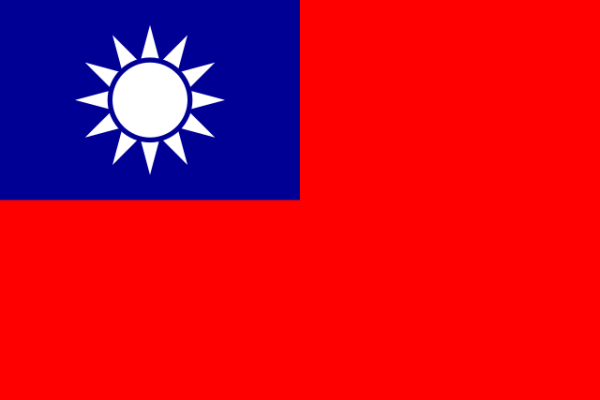
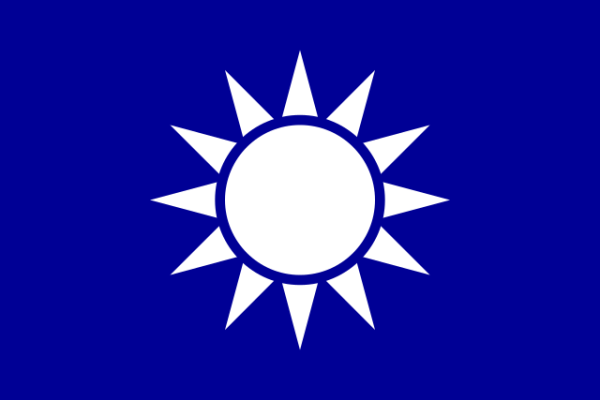
Proposed flag of Taiwan / 台灣擬議國旗

Flags

The current situation / 目前的情況

Flag of the Republic of China

Flag of the Republic of China / 中華民國國旗

Flag of the Kuomintang (Chinese Nationalist Party)

Flag of the Kuomintang (Chinese Nationalist Party) / 國民黨的旗幟

The current flag of Taiwan is a historical relic inherited from the Republic of China, which ruled mainland China over seventy years ago. Now it is confined to the island of Taiwan and the country is simply known as Taiwan to everybody. Moreover, it is based on the flag of a single political party, the Kuomintang (Chinese Nationalist Party). This may have made sense when Taiwan was a one-party state, but not when Taiwan is now a multi-party democracy in which the Kuomintang is just one of many political parties.

台灣目前的國旗是從中華民國繼承的歷史文物,中華民國統治了七十多年前。 現在它被限制在台灣島上,這個國家被大家簡單地稱為台灣。 而且,它是基於單一政黨國民黨(中國國民黨)的旗幟。 當台灣是一個一黨制國家時,這可能是有道理的,但是當台灣現在是一個國民黨只是許多政黨之一的多黨制民主制時,這是沒有道理的

In recent years, Taiwan has shifted towards a strong, local, independent identity, especially the younger generations. For example, a poll by National Chengchi University shows that the majority of the population now identify as “Taiwanese” rather than “Chinese”, and this is constantly rising. Also, in July 2020, the Taiwanese passport was officially redesigned to emphasise the name “Taiwan” instead of “Republic of China”. There have been many such changes from the 2000s onwards.

近年來,台灣已朝著強大的,本地的,獨立的身份轉變,尤其是年輕一代。 例如,國立政治大學的一項民意測驗顯示,現在大多數人口都是“台灣人”而不是“中國人”,而且這一比例還在不斷上升。 此外,2020年7月,台灣護照正式進行了重新設計,以強調“台灣”而不是“中華民國”的名稱。 從2000年代開始,發生了許多這樣的變化。

In light of these developments and more, some have called for a flag for the island of Taiwan itself and some have even proposed designs. However, those designs have significant flaws and none are popular. Therefore, here is my proposal.

鑑於這些事態發展以及更多事態發展,有些人呼籲為台灣島本身設置旗幟,有些人甚至提出了設計方案。 但是,這些設計存在重大缺陷,而且沒有一個受歡迎。因此,這是我的建議。

Note: My choice of designs do not necessarily reflect my political opinions.

注意:我對設計的選擇不一定反映我的政治觀點。

My proposal / 我的提案

Proposed flag of Taiwan / 台灣擬議國旗

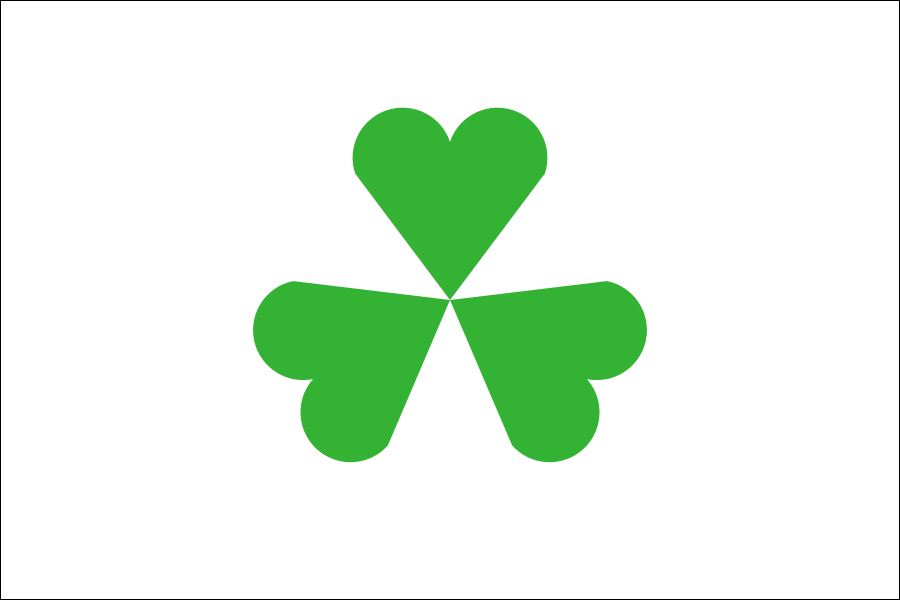
Proposed neutral flag of All-Ireland

Flags

The current situation

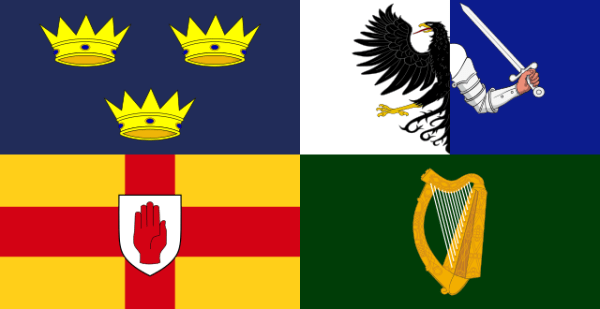
Four Provinces flag

Four Provinces flag

The island of Ireland is currently split between the Republic of Ireland in the south and Northern Ireland (part of the United Kingdom) in the north. Each side has their own flag, but there is no single neutral design to represent the whole of Ireland. This is a problem when there are many all-Ireland organisations and sporting-teams. Many of these compete internationally but cannot use an official neutral all-Ireland flag because no such design exists. Instead, each one uses their own ad hoc compromise design. A well-known example is the Four Provinces flag (displayed above) that just combines the individual flags of each of Ireland’s four provinces so as to represent the entire island in a disunited, clumsy and complex way.

Compare this situation with the Korean peninsula: Although it is split between North Korea and South Korea, there is a single neutral official flag to represent the whole of Korea for joint organisations and sporting teams.

Also, the future possibility of Irish unification is becoming more and more plausible. If this possibility escalates into a real scenario, the island will require an acceptable symbol that is neutral and not associated with only one side. Polls show that creating a new flag in the event of Irish reunification is the most popular option among both the public and politicians.

Therefore, here is my proposal.

Note: My choice of designs do not reflect my political opinions.

My proposal

Proposed flag of United Ireland

Proposed neutral flag of All-Ireland

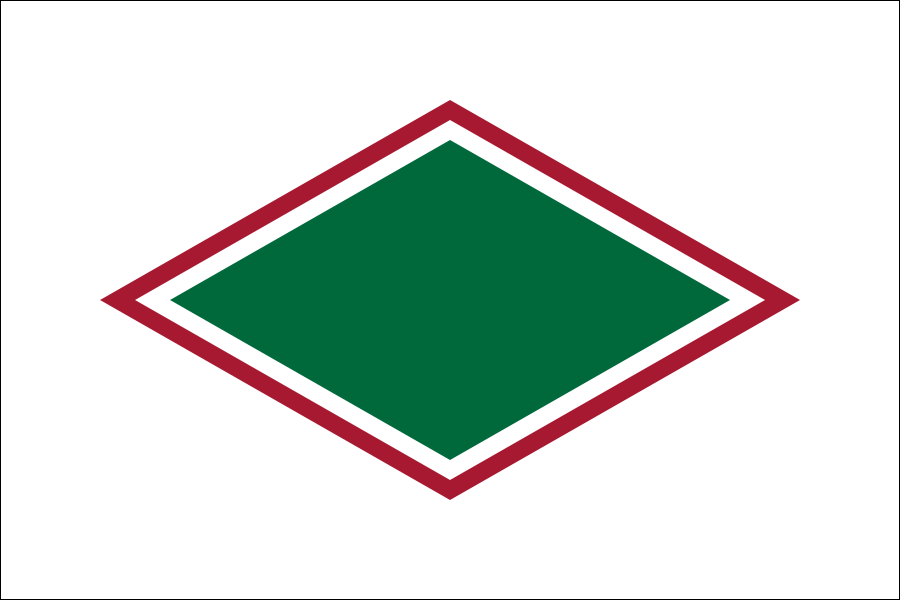
Proposed flag of Hong Kong

Flags

The current design

Current flag of Hong Kong

Current flag of Hong Kong

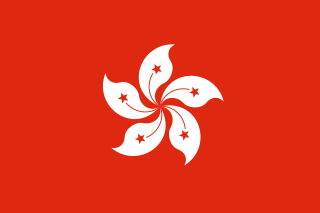
The current flag of Hong Kong SAR (Special Administrative Region of China) consists of a bauhinia flower and five stars on a red field. Although this design was created by a local and contains a native flower, it was adopted under strict oversight by the Chinese government. The dominance of the colour red and the five stars, all borrowed from the Chinese flag, are a result of this. The relationship between Hong Kong and the People’s Republic of China has come under growing scrutiny, so many Hongkongers feel that their flag reminds them more of China’s power than Hong Kong’s identity and no longer represents them. Therefore, here is my proposal.

My proposal

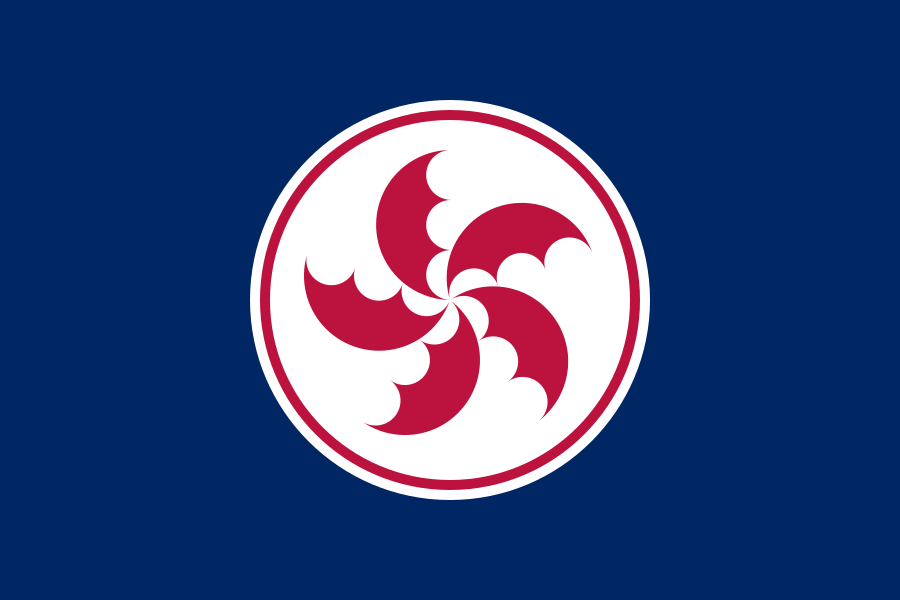
Proposed flag of Hong Kong

Proposed flag of Hong Kong

Proposed flag of New Caledonia / Drapeau proposé de la Nouvelle-Calédonie

Flags

The current situation / La situation présente

Flags of New Caledonia / Drapeaux de Nouvelle Calédonie

New Caledonia’s strange and controversial flag situation: The flag of FLNKS party (left) and the flag of France (right) are co-official… but there is no single flag for the whole of New Caledonia itself.
Situation étrange et controversée en Nouvelle-Calédonie: le drapeau du parti FLNKS (à gauche) et le drapeau de la France (à droite) sont co-officiels … mais il n’existe pas de drapeau unique pour la Nouvelle-Calédonie.

New Caledonia’s flag situation is bizarre by world standards. Instead of a single flag, it currently has two co-official flags, neither of which represents the whole of New Caledonia. One is the flag of France itself. The other is the flag of FLNKS, the political coalition that represents the Kanak indigenous people. This compromise was condemned as clumsy, divisive, controversial and unrepresentative. The situation was even spurned by important leaders at the time like the President of the Government of New Caledonia, the representative of New Caledonia to the National Assembly and the mayor of Nouméa. Critics pointed to the principles of the Nouméa Accord (the 1998 agreement between the French government and FLNKS) which expresses the wish for a “common destiny” for all communities. Many New Caledonians have demanded a single new flag that would express a common identity for all of New Caledonia. There have been existing proposals, but these designs are quite complex. Therefore, here is my proposal.

La situation du drapeau de la Nouvelle-Calédonie est bizarre par rapport aux normes mondiales. Au lieu d’un seul drapeau, il possède actuellement deux drapeaux co-officiels, qui ne représentent ni l’un ni l’autre toute la Nouvelle-Calédonie. L’un est le drapeau de la France elle-même. L’autre est le drapeau du FLNKS, la coalition politique qui représente le peuple autochtone kanak. Ce compromis a été condamné comme maladroit, source de discorde, controversé et non représentatif. La situation a même été rejetée par des dirigeants importants tels que le président du gouvernement de la Nouvelle-Calédonie, le représentant de la Nouvelle-Calédonie à l’Assemblée nationale et le maire de Nouméa. Les critiques ont évoqué les principes de l’accord de Nouméa (l’accord de 1998 entre le gouvernement français et le FLNKS), qui exprime le souhait d’un «destin commun» pour toutes les communautés. De nombreux Néo-Calédoniens ont réclamé un nouveau drapeau unique exprimant une identité commune pour toute la Nouvelle-Calédonie. Il y a eu des propositions existantes, mais ces modèles sont assez complexes. Par conséquent, voici ma proposition.

Note: My choice of designs do not reflect my political opinions.

Remarque: mon choix de modèles ne reflète pas mes opinions politiques.

My proposal / Ma proposition

Proposed flag of New Caledonia / Drapeau proposé de la Nouvelle-Calédonie

Proposed flag of New Caledonia / Drapeau proposé de la Nouvelle-Calédonie

Proposed flags of Aotearoa New Zealand (updated 2026)

Flags

Executive Summary

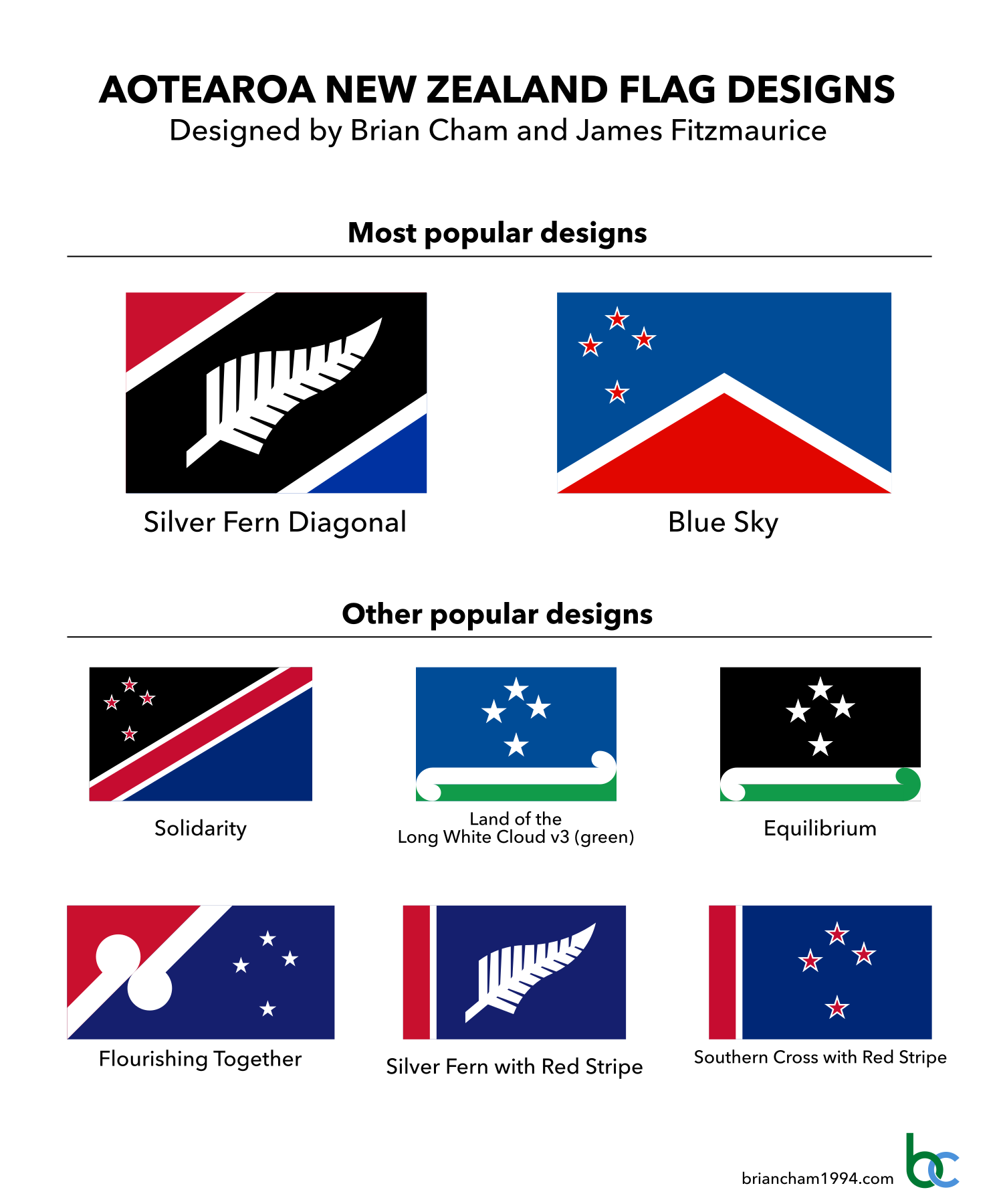
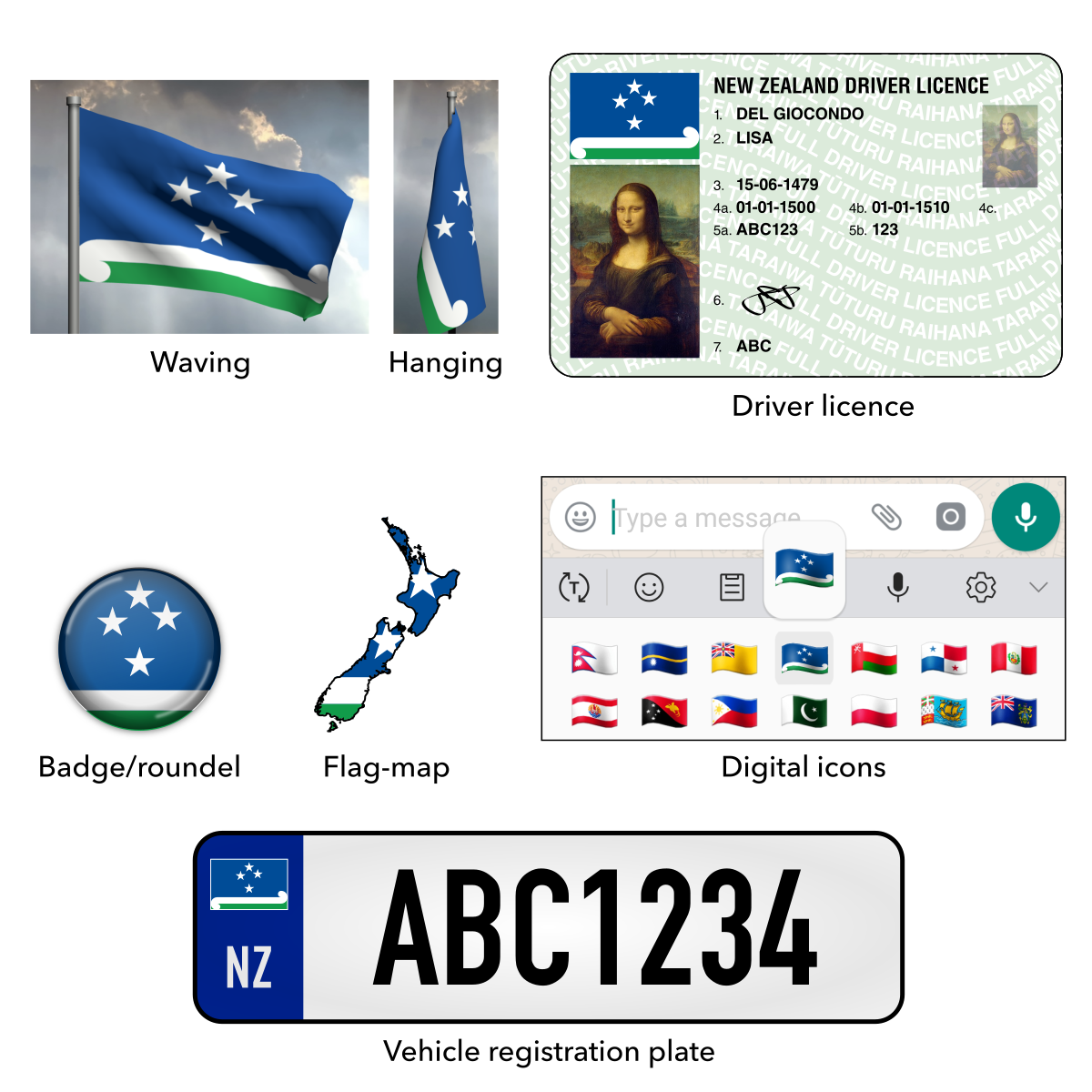
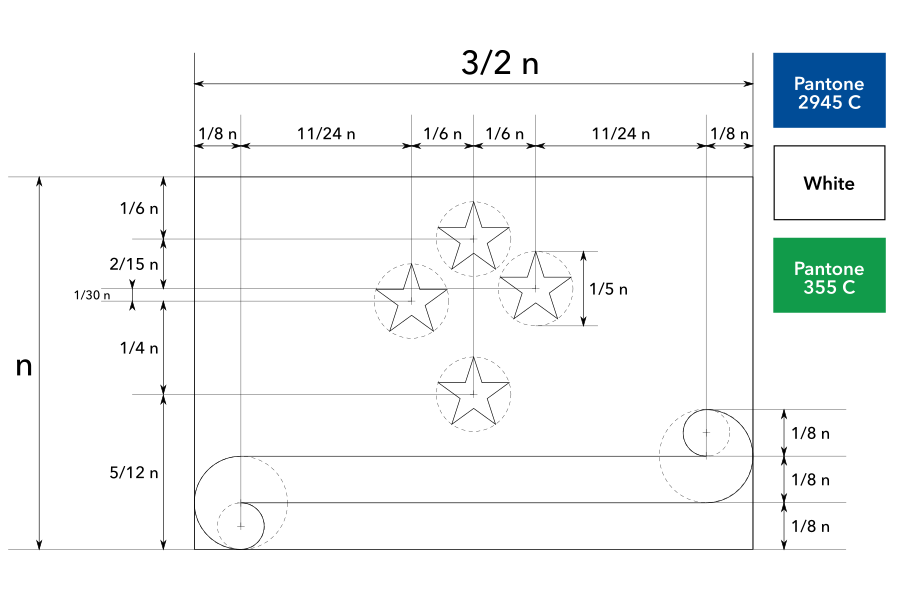
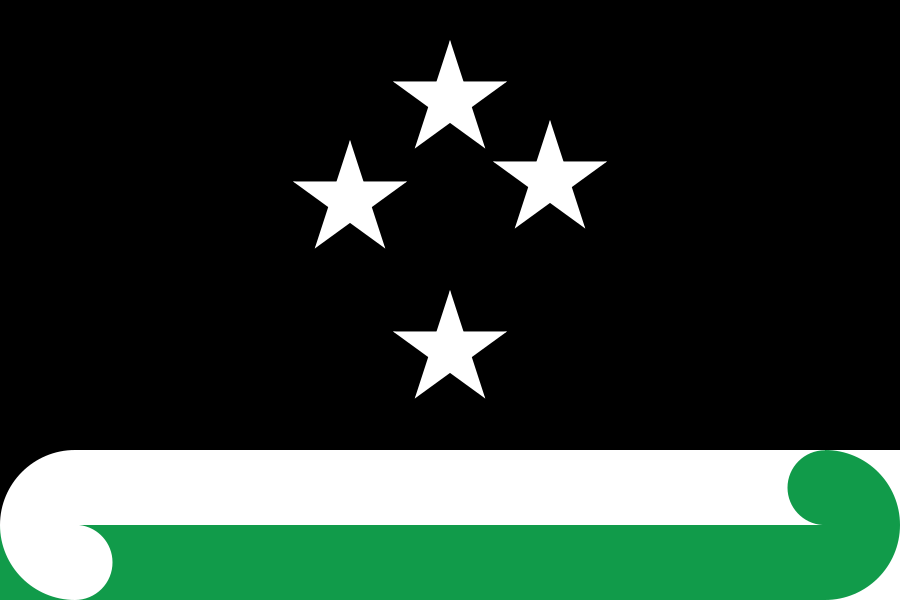
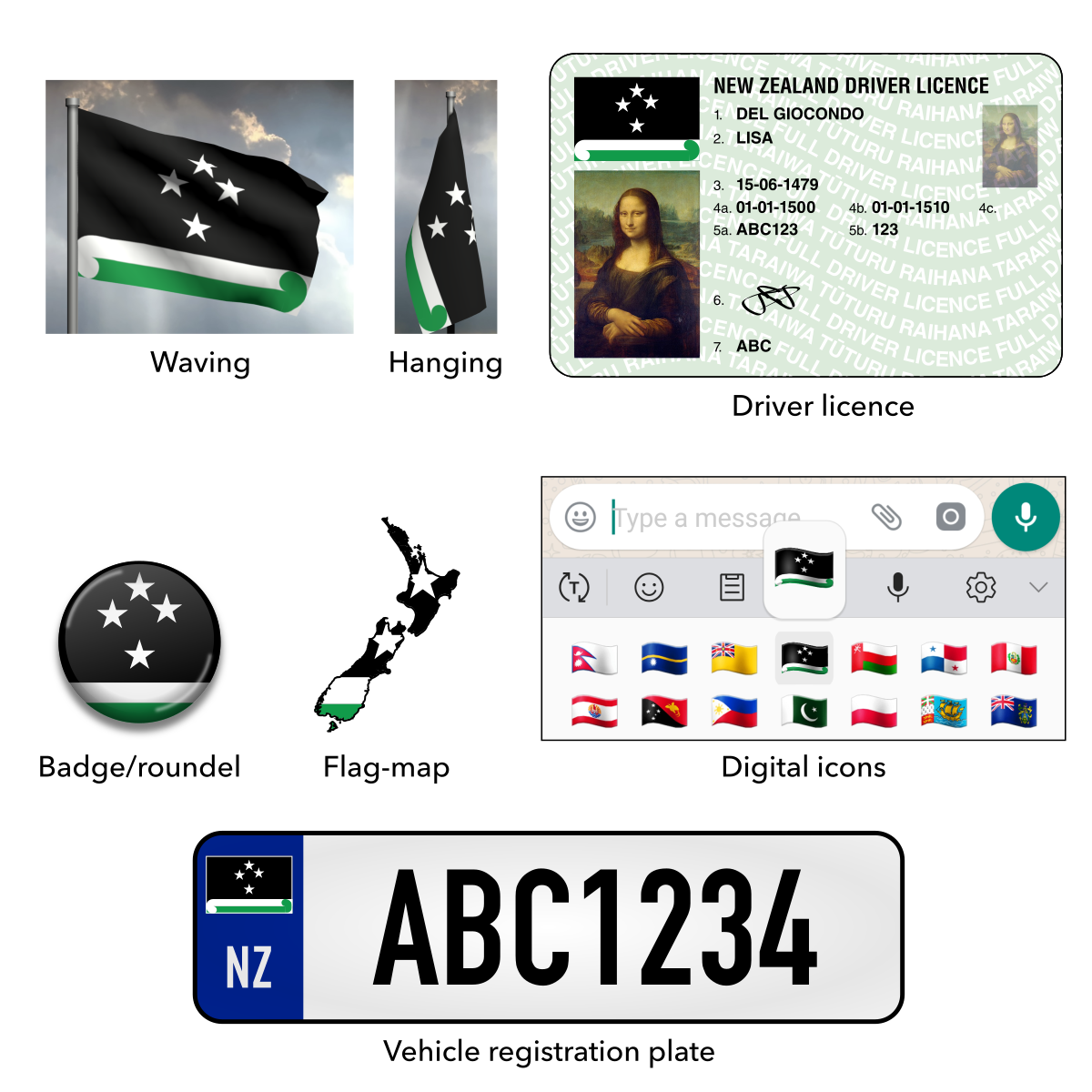
Here are the national flag concepts that I and James Fitzmaurice designed for Aotearoa New Zealand over the years.

Like all good flags, our designs are simple enough to be remembered by a child and distinct enough to be recognised at a distance. We conducted extensive research and analysis to ensure our designs surpass other proposals: They actually look like flags (rather than logos or souvenirs), the symbolism is intuitive, recognisable and familiar, the symbolism has wide appeal (rather than reflecting only our personal aesthetic preferences), and they are memorable.

For a quick summary, the gallery of designs is below. For an extensive read, scroll down and expand each section to see a compilation of our design methodology and details for each flag, including high-resolution graphics, commentary, mock-ups, construction sheets and vector file downloads.

Since we presented these in 2022, these flags have been featured in the Flagged for Content podcast. Blue Sky was featured in an award-winning presentation at NAVA 55, while Silver Fern Diagonal came fifth place in a 2024 international flag poll on Flag Session.

Design Process

[section permalink 🔗]

What we didn’t do: Just sit down and design a good New Zealand flag.

Why we didn’t do this: Even with my and James’ previous vexillological expertise, a naive process would just result in reinventing the wheel, repeating the mistakes of the past and confusing our intuitive preferences with those of the general population. This is what almost every other designer did and why they failed.

What we did instead:

We adopted the ultimate guiding principle of maximum feasibility. Our single focus and criterion of success was that the flag design must have the highest probability of winning a vote against the current flag. We shed the popular mindset where we were making a personal artistic expression and replaced it with the mindset where we were analysing and capturing the symbolism of the nation’s collective unconscious that would result in the most public resonance. Flags are supposed to express a group’s identity, rather than prescribe it, otherwise the designs cannot achieve the wide appeal that we need. Instead of activating the aesthetic part of our brain and asked what symbolism resonates with us, we activated the sympathy part of our brain and asked what resonates with others.

Anyone can design a flag and feel that it would be a popular and feasible choice but we put in the hard work to make our decisions grounded. Here are some techniques we used:

  • Evaluate all (yes, all) existing proposals. What are the best and worst features? What are common symbols, colours and themes? How were they received by commenters? Why were some more popular than others? From this we constructed a rudimentary regression analysis to capture and predict which design elements and features were associated with higher public appeal.
  • Study New Zealand themed insignia, logos and graphics. What are common symbols, colours and themes? Why?
  • Research surveys and campaigns. What are the preferences among the public, and in what proportions?
  • Survey a real spread of people throughout the design process, not just the people around us. Consulting only the people we knew personally would be short-sighted and misleading. We also conducted some memory testing on these people to see which designs were most memorable. While this process was not as scientific as we would have liked, some clear patterns emerged.

The more artistically inclined may feel this approach is too calculated and soulless, almost like a market research exercise. However, it was deemed necessary for reasons pragmatic (because that’s how referendum voting works and presenting a design with no actual chances would just be a waste of everyone’s time*), creative (because it focuses our thoughts and research into a specific direction) and democratic (because the design would appeal to most of the national population; isn’t that the point?).

Designs in the running to become the actual national flag deserve this level of certainty and effort – we are trying to design the New Zealand flag, not a New Zealand flag.

* i.e. what actually happened in the referendum, but that’s a story for another day.

[section permalink 🔗]

Update: This section has been expanded into its own presentation and article entitled The Six Little-Known Deal-Breakers of Bad Flag Design. It was presented at NAVA’s 55th annual conference where it got an Honorable Mention for the Driver Award.

We were aware that no previous proposal was loved enough to be a worthy contender to the current flag, so we consciously analysed the commentary behind them all to identify the common themes. This way, we could learn from everyone else’s mistakes and completely transcend them. Listed below are the deal-breakers that afflict so many proposals. Even the official referendum selection falls into these!

Generally bad flag design The classic sins. Too complicated, too many colours, too many elements, irrelevant symbolism, too similar to other flags, the inclusion of writing, maps or gradients, and so on.

Looks like a logo, not a flag Most proposals (we would say over ninety percent of them) look like modern art pieces, corporate logos or political statements stuck into a rectangle. Any appeal of these designs disappear if we imagine them actually fluttering on a flagpole alongside other national flags. The design should have a classic, timeless quality rather than an ephemeral, flashy quality. We posed a thought experiment—If you claimed that your design was from fifty years ago and that you had actually rediscovered it in an archive rather than created it, would anyone believe you?

Cheesy souvenir A subset of “looks like a logo, not a flag”. Designs can evoke a feeling of cringe and contempt if they look too offbeat, informal or “un-flag-like”. This is subjective – for some, the silver fern is cheesy; for others, the silver fern is conventional.

Mystery symbolism Roger Ebert once declared, “If you have to ask what it symbolizes, it didn’t.” Flag design is not like conceptual art with its invented imagery and lofty explanations, it’s more like advertising which uses a culture’s shared visual language to intuitively resonate with the audience at first glance. We posed a thought experiment—If your design were transported back in time by fifty years without any accompanying context, would the average person on the street immediately be able to reckon that it’s a New Zealand flag proposal and what everything represents? A similar thought experiment—If your design is submitted to Reverse Google Image Search, is it successfully labelled as “New Zealand”? (this is something we actually tried during our design process)

Designing for yourself – These designers made the mistake of designing for themselves, not for the general public. These designs focus on only one symbolic theme (see the explanation in the next section) at the utter exclusion of other preferences, which is essentially self-sabotage and negates the possibility of general public appeal. Different themes of national identity appeal to different people. They’re not wrong. They’re just not you.

Too radical These designers wipe the slate clean and aim for a revolutionary design with no established symbolism. This is also self-sabotage. The vote would be held by everyone, and a substantial amount of the population is intimately attached to established symbolism. Flags are supposed to express a group’s identity, rather than prescribe it, otherwise the designs cannot achieve the wide appeal that we need.

It’s boring, but it works  Either James or I once critiqued a particularly minimalist flag proposal as “a bland vanilla design that just appeals weakly to everybody without really rousing anyone”. There is such a thing as a flag being too simple. There is such a thing as trying to satisfy everybody and ending up satisfying nobody. A design which is dull, uninspiring and typical will backfire, not grab attention, not stick in the memory and not have support.

We strove to avoid these deal-breakers and achieve their polar opposites.

[section permalink 🔗]

We were aware that any single individual’s idea of New Zealand identity is subjective and short-sighted, so we researched how the nation as a whole perceives itself. We comprehensively analysed all the existing symbolism, flag proposals, responses and preferences out there. As a result, we identified four themes of national symbolism, named as below:

  • “Established” – Symbols and colours associated with the current flag.
  • “Colloquial” – Symbols and colours associated with informal, colloquial, local culture.
  • “Māori” – Symbols and colours associated with the indigenous Māori culture.
  • “Environmental” – Symbols and colours associated with the environment.

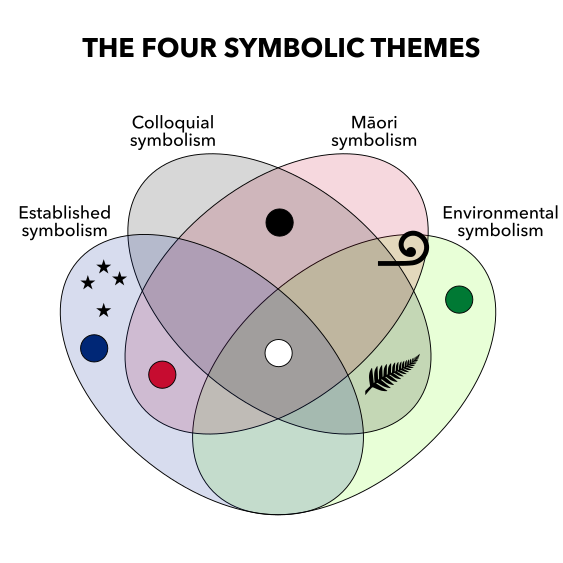
The symbols and colours associated with each symbolic theme are summarised in the Euler diagram below.

The four symbolic themes of New Zealand graphical identity.

Simultaneously, social scientists have determined the core components of New Zealand’s national identity using extensive, empirical, nationwide studies. Sibley, Hoverd, & Liu’s (2011) study uncovered four facets, named as below:

  • “Anglo-NZ (Post-Colonial) Ancestry” – Ideas about the British cultural and historical legacy as part of the country’s foundation.
  • “Rugby/Sporting Culture” – Ideas about national sports teams as universally popular expressions of national unity and ambition.
  • “Bicultural Awareness” – Ideas about Māori cultural and history as part of the country’s foundation.
  • “Liberal Democratic Values” – Ideas about egalitarianism and mutual respect for cultures, religions and the environment as fundamental values of modern society.

Interestingly, these four facets concorded well with the four themes from our own analysis, suggesting they are well-grounded. Our inquiry also revealed that each symbolic theme has particular advantages and disadvantages which we needed to keep in mind throughout the design process.

We strove to harmoniously appeal to multiple themes and facets of national identity, harness the advantages of each one and avoid the disadvantages of each one. This would ensure that our designs truly represent the nation and resonate with the most people. At the same time, the designs must still remain simple and elegant. We particularly ensured each design had something from the “established” symbolic theme to ensure the most overall resonance across the social spectrum.

Details of each symbolic theme are explained below.

[section permalink 🔗]

The “established” symbolic category includes symbols and colours associated with the current flag. This corresponds to the “Anglo-NZ (Post-Colonial) Ancestry” facet from Sibley, Hoverd, & Liu’s (2011) study.

Specific design elements include:

  • The red-white-blue colour scheme
  • The southern cross
  • Layouts that recall the flag of the United Kingdom, i.e. blue fields with red bars and white fimbriation.

Advantages:

  • A lot of people are intimately attached to current symbolism and find it pleasingly familiar (refer to the mere exposure effect).
  • Establishes continuity and carries over current symbolism.
  • Formal feel.
  • Historical and cultural significance.
  • British representation.
  • Appeals to the many “swing voters” who are attached to the symbolism in the current flag.
  • Numerically speaking, our regression analysis shows that designs with more of this established symbolism get more support.
  • Sibley, Hoverd, & Duckitt’s (2011) psychological study of subconscious graphical influences show that this symbolic theme is more emotionally salient than the others.

Disadvantages:

  • Can feel too boring, uninspired, safe and soulless.
  • Not as distinct as the purely local symbols like the silver fern.
  • Aesthetically, the southern cross does not make a good focal point as it is too “empty” and spread out to be a bold or iconic symbol.
  • Osborne, Lees-Marshment, & van der Linden’s (2016) study of New Zealand attitudes showed that a majority of respondents had a lukewarm or low support for the Commonwealth of Nations in relation to core national identity.

[section permalink 🔗]

The “colloquial” symbolic theme includes symbols and colours associated with informal, colloquial, local culture. This corresponds to the “Rugby/Sporting Culture” facet from Sibley, Hoverd, & Liu’s (2011) study.

Specific design elements include:

Advantages:

  • Unique to New Zealand.
  • The silver fern is the best polling design element (Cheng, 2014).
  • De facto national colours/emblems that arose from local circumstances. These are very common in New Zealand themed logos and graphics.
  • Symbolism is neutral and applies to all people (like Canada’s maple leaf).
  • Osborne, et al.’s (2016) study of New Zealand attitudes showed that a majority of respondents (89.2%) had a high support for sports in relation to core national identity.

Disadvantages:

  • Can feel too informal, too trendy, too cheesy, too associated with sporting teams (especially the All Blacks) and souvenirs and thus not appropriate for a formal national symbol.
  • These were the most contentious design elements in existing flag proposals. The very presence of black or the silver fern put off some respondents; the presence of both black and the silver fern was an absolute deal-breaker for some.
  • The black-white colour scheme by itself is dour or reminds some of pirates or ISIS.
  • The silver fern is visually very complex and fiddly for a flag.
  • Sibley, Hoverd & Duckitt’s (2011) psychological study of subconscious graphical influences show that silver ferns are less emotionally salient than the established symbolism.

[section permalink 🔗]

The “Maori” symbolic theme includes symbols and colours associated with the indigenous culture. This corresponds to the “Bicultural Awareness” facet from Sibley, Hoverd, & Liu’s (2011) study.

Specific design elements include:

Advantages:

  • Unique to New Zealand
  • Historical and cultural significance
  • Indigenous representation
  • Māori culture is already incorporated and accepted into mainstream, e.g. the coat of arms, haka, national anthem, symbols on coinage and banknotes, Air New Zealand logo and so on.
  • Indigenous rights is a key factor that distinguishes New Zealand and its identity from other Western post-colonial nations (i.e. Australia, Canada, USA).

Disadvantages:

  • If this theme is too dominant, especially elements of the Tino Rangatiratanga flag itself, it can feel sectarian, ignoring British history or ignoring a multicultural reality.
  • Numerically speaking, our regression analysis shows that designs with the koru get far less support than the established symbols.
  • Osborne, et al.’s (2016) study of New Zealand attitudes showed that Māori rights, in relation to core national identity, was one of the most polarising socio-cultural attitudes. Overall, a slight majority of respondents (59.2%) expressed a low support for this topic. However, 75.3% agreed with the statement “Māori culture is something that all New Zealanders can take pride in, no matter their background”.

[section permalink 🔗]

The “environmental” symbolic theme includes symbols and colours associated with the environment. This corresponds to the “Liberal Democratic Values” facet from Sibley, Hoverd, & Liu’s (2011) study, since this facet includes environmental values as well.

Specific design elements include:

Advantages:

  • Expresses New Zealand’s “clean green” image
  • Some of these elements are unique to New Zealand
  • Positive and fresh feel
  • The silver fern is the best polling design element (Cheng, 2014).
  • Future-proof
  • Symbolism is neutral and applies to all people (like Canada’s maple leaf).

Disadvantages:

  • Can feel too “hippie”, trendy or informal and thus not appropriate for a formal national symbol.
  • Some feel that “clean green” image is just artificial marketing hype writ large.
  • Silver fern is visually very complex and fiddly for a flag. Sibley, Hoverd & Duckitt’s (2011) study of subconscious graphical influences show that silver ferns are less emotionally salient than the established symbolism.
  • Numerically speaking, our regression analysis shows that designs with green and koru get far less support than the established symbols.

Most Popular Designs

[section permalink 🔗]

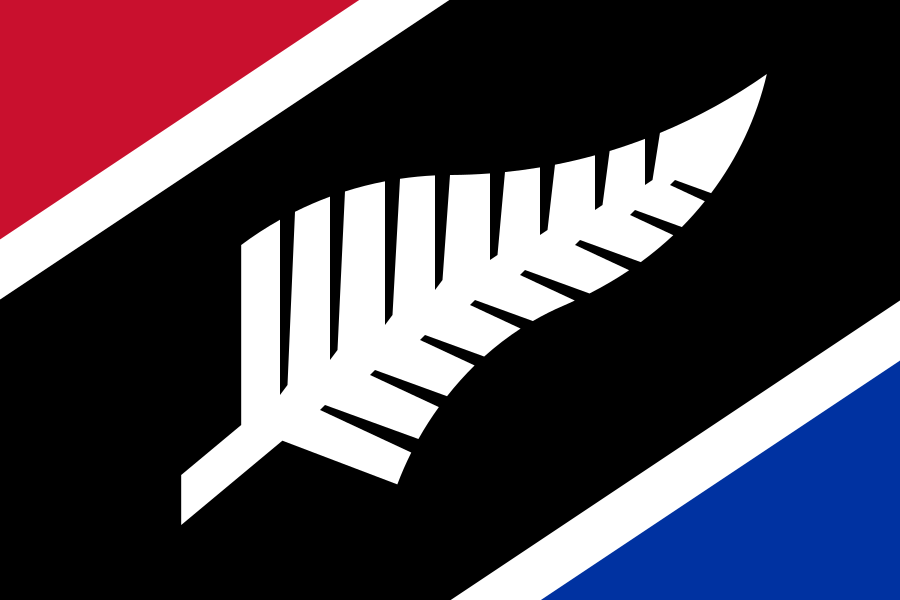
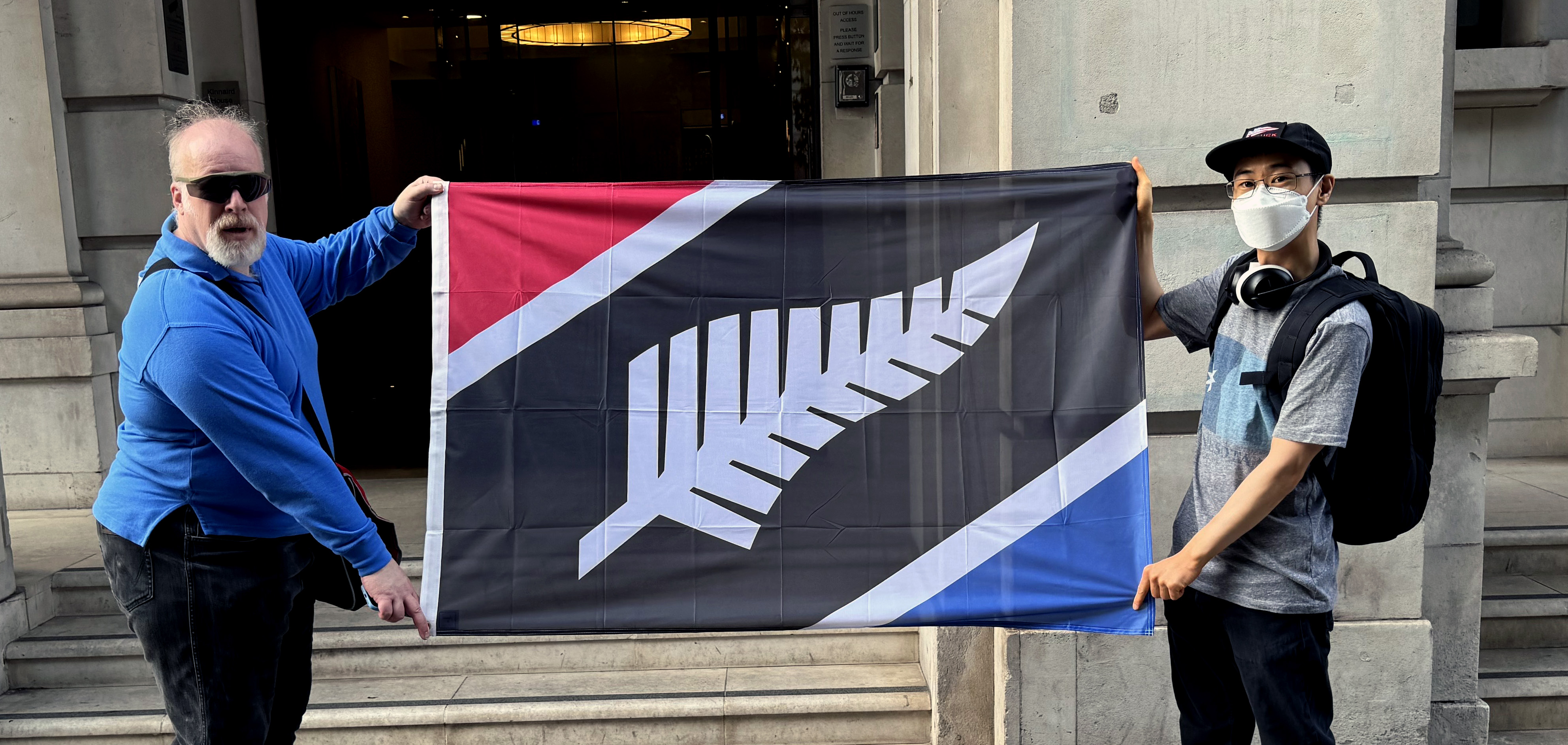
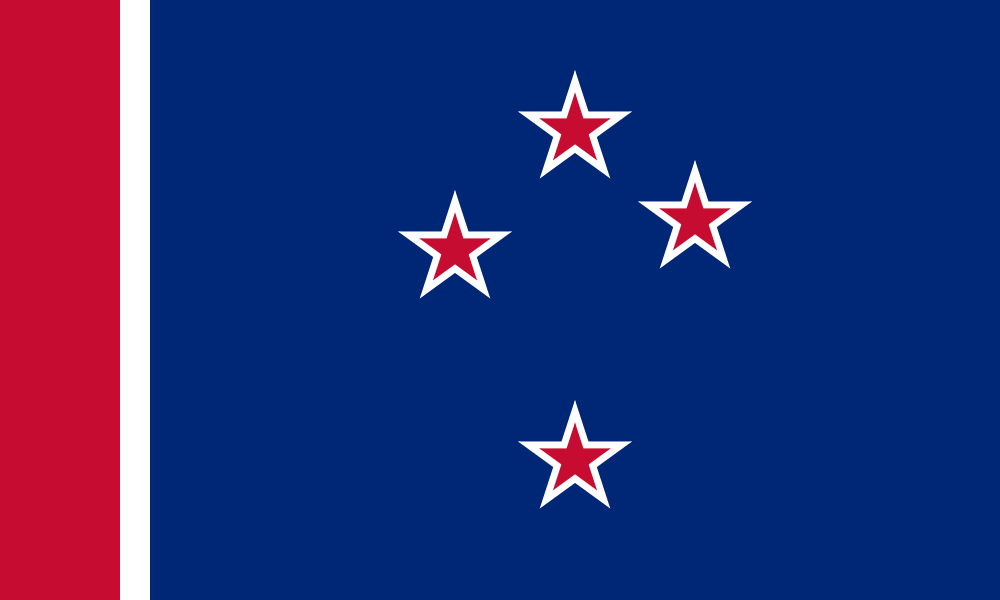
Silver Fern Diagonal
Silver Fern Diagonal outside the New Zealand High Commission

Explanation

Silver Fern Diagonal is based on the silver fern on black, a unique and well-known symbol of New Zealand’s natural environment.

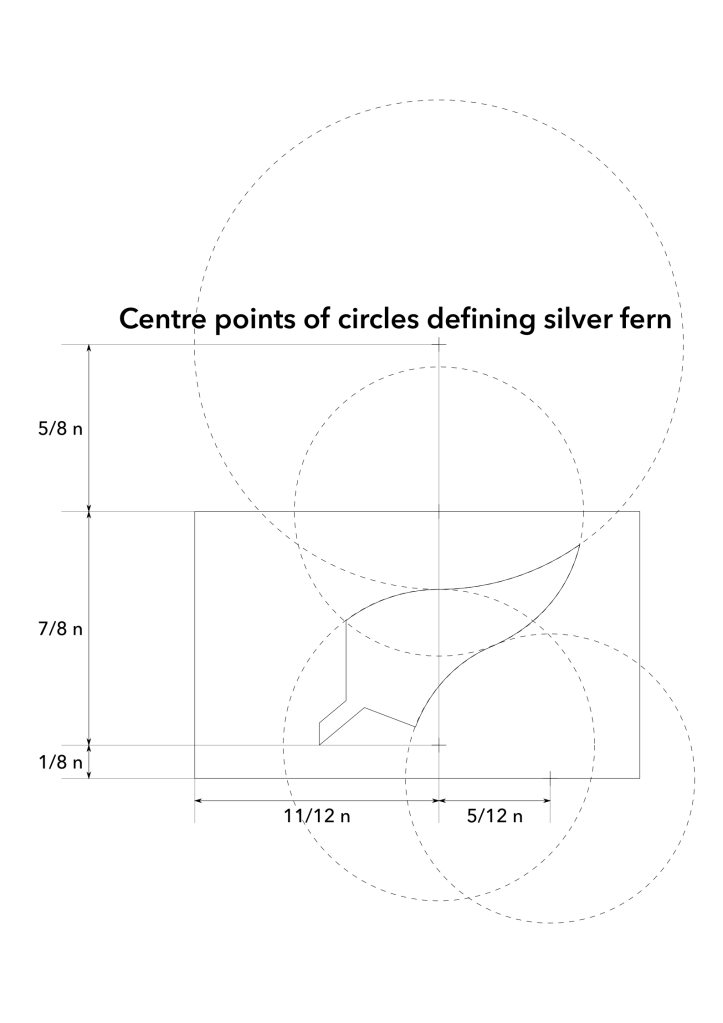
The form of the silver fern is simplified like the abstract maple leaf on the flag of Canada, with a smoother outline and fewer fine details. This minimal depiction makes the symbol more recognisable and prominent when waving at a distance. It was constructed by overlaying many different silver fern renditions and tracing the average outline, ensuring it is a generic, prototypical silver fern and does not resemble any particular logo or emblem.

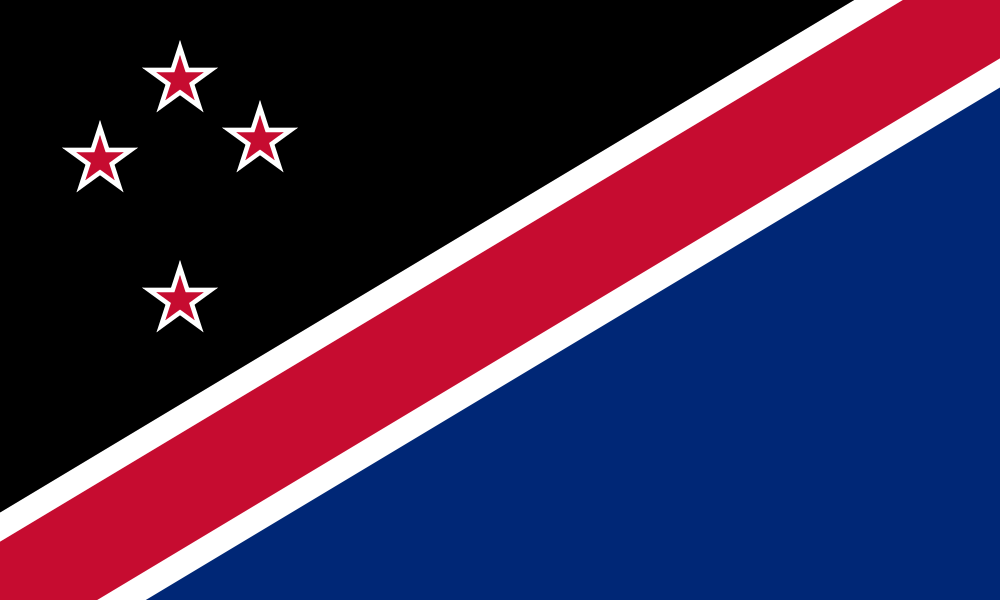
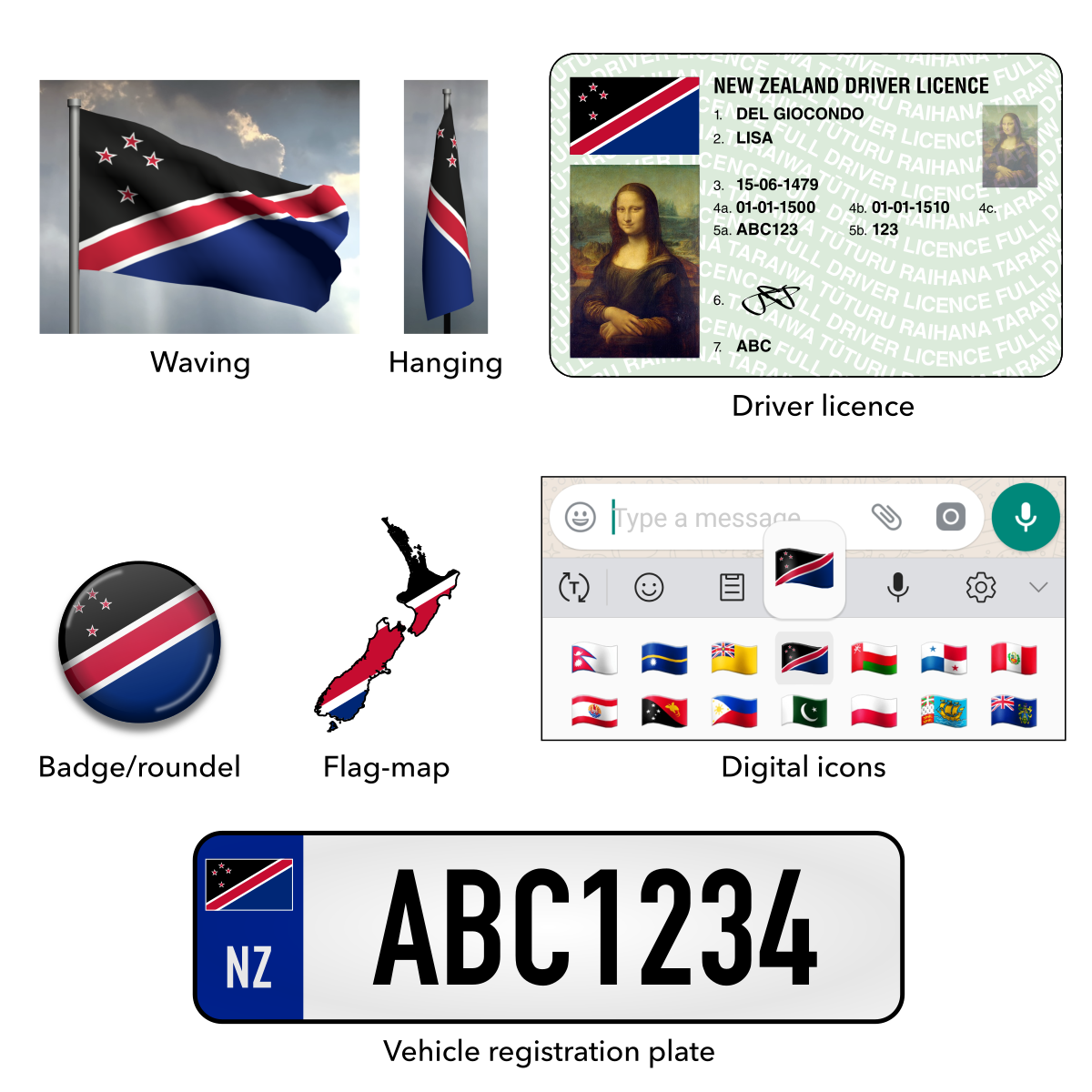
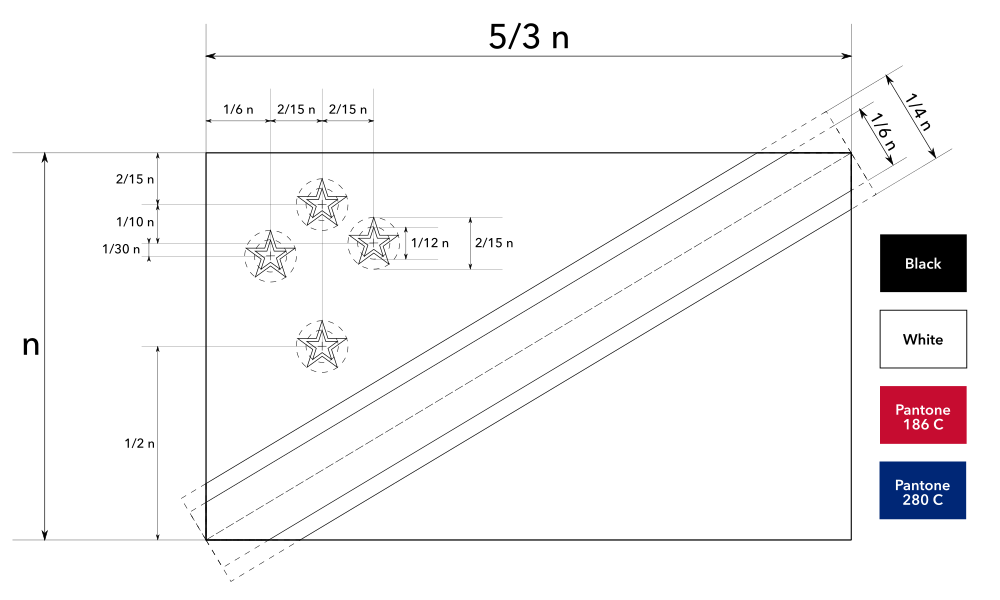
The striking colour scheme adds historical significance by including the colours from both cultures that signed the Treaty of Waitangi: Red, white and black from the Māori flag, and red, white and blue from the British flag. Red represents the land, white represents the “land of the long white cloud” epithet (there are two stripes to represent the country’s two main islands), black represents the night sky and blue represents the ocean. The diagonal arrangement balances the whole composition, highlights the upward flow of the silver fern and puts the central focus on black and white, the modern national colours that represent everyone.

Commentary

This design used to be the second most popular of our designs, but has gradually become the most popular.

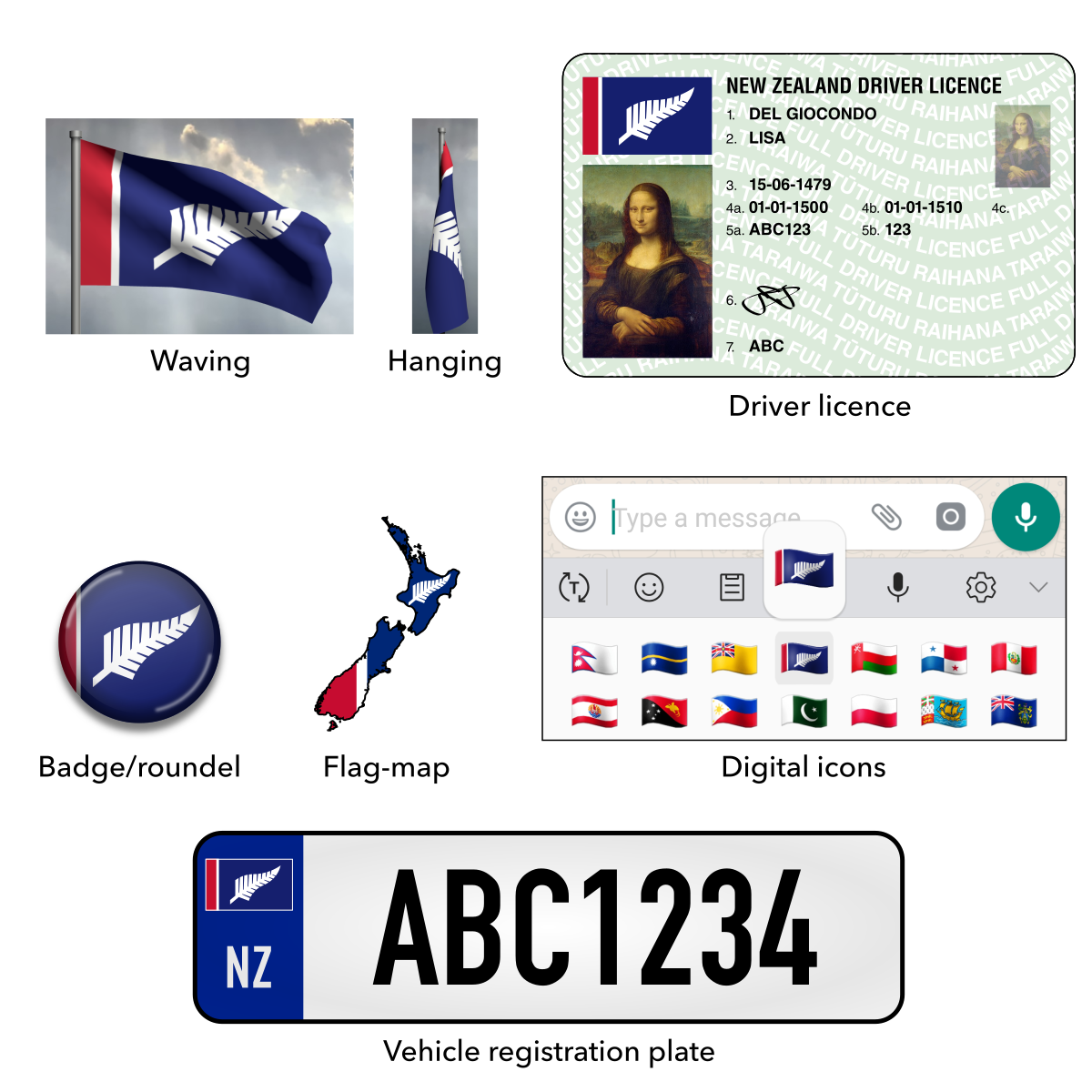
It blew away the other designs in our memory testing, with quite a striking difference. We suspect that this is because of the diagonal layout. In the psychology of perception, “orientation selectivity” means that purely horizontal and vertical stimuli are treated as “background” elements and ignored by the cerebral cortex, but tilted stimuli elicit stronger attention (Hubel & Wiesel, 2004). Also, in the psychology of memory, concepts are more memorable if they are based on something familiar but with a slightly counter-intuitive twist (Barett & Nyhof, 2001), which applies to the way we modified the silver fern design.

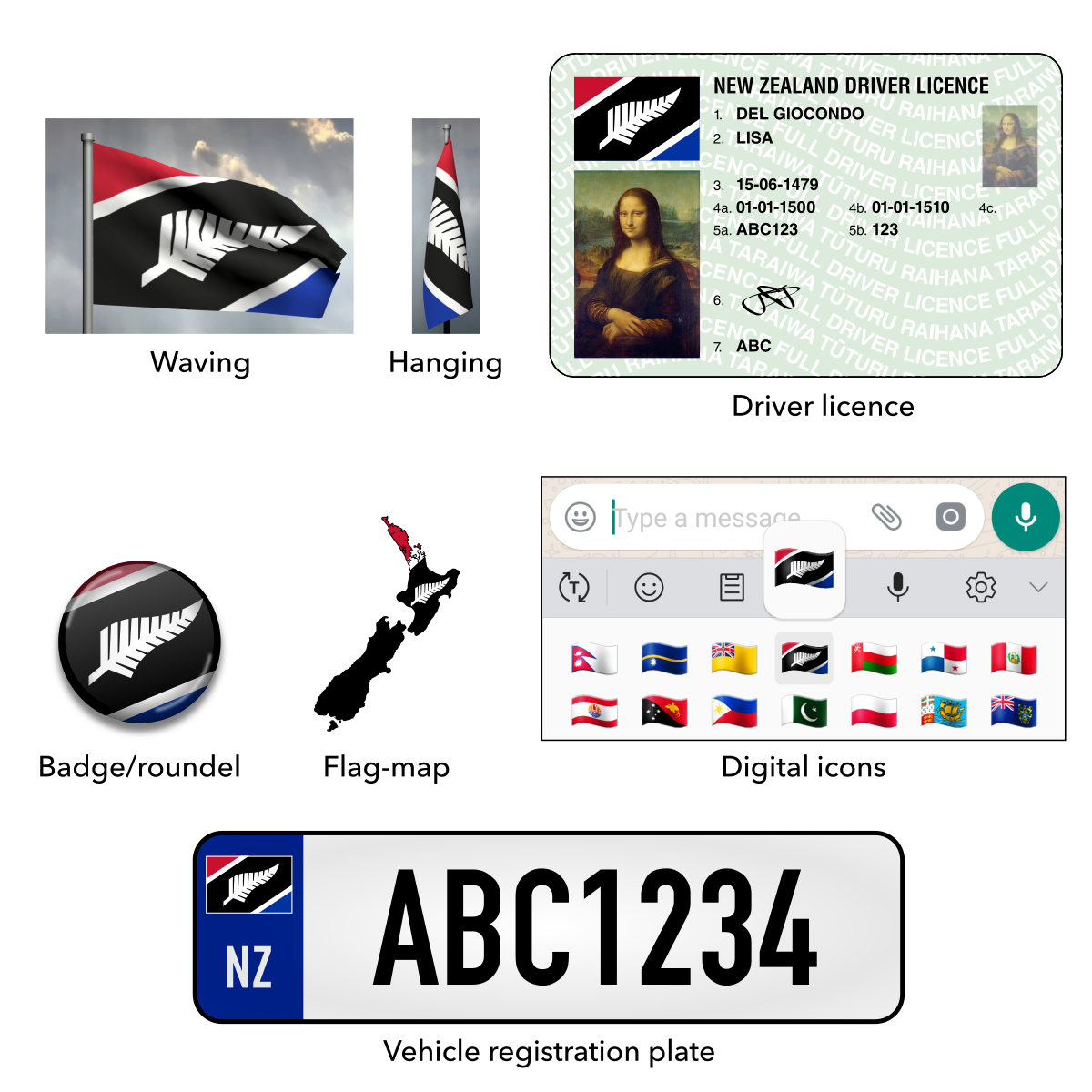
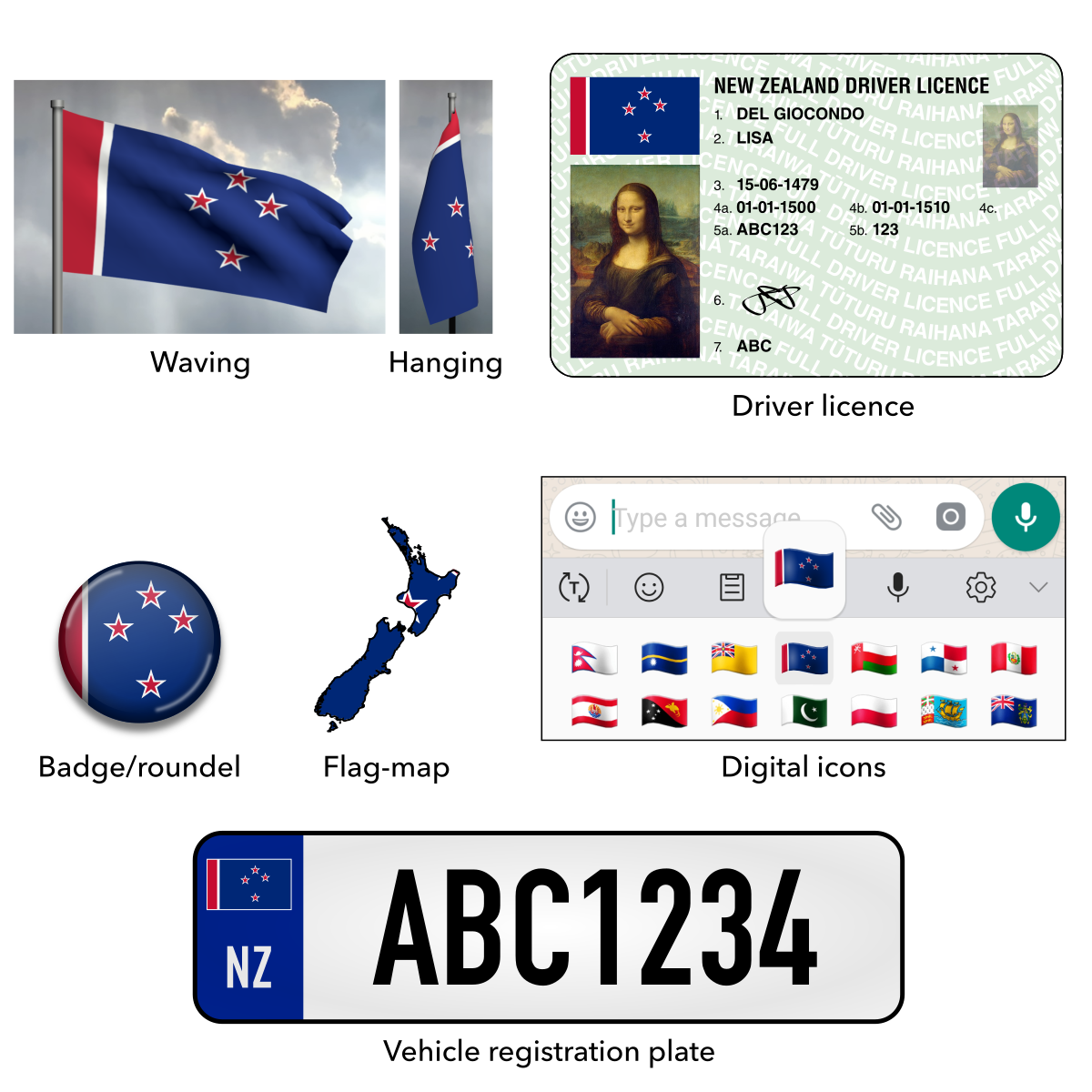
Mock-ups

Mock-ups for Silver Fern Diagonal

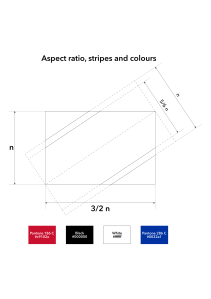
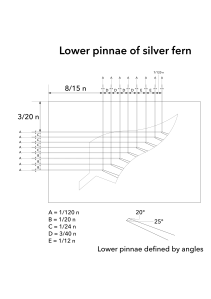
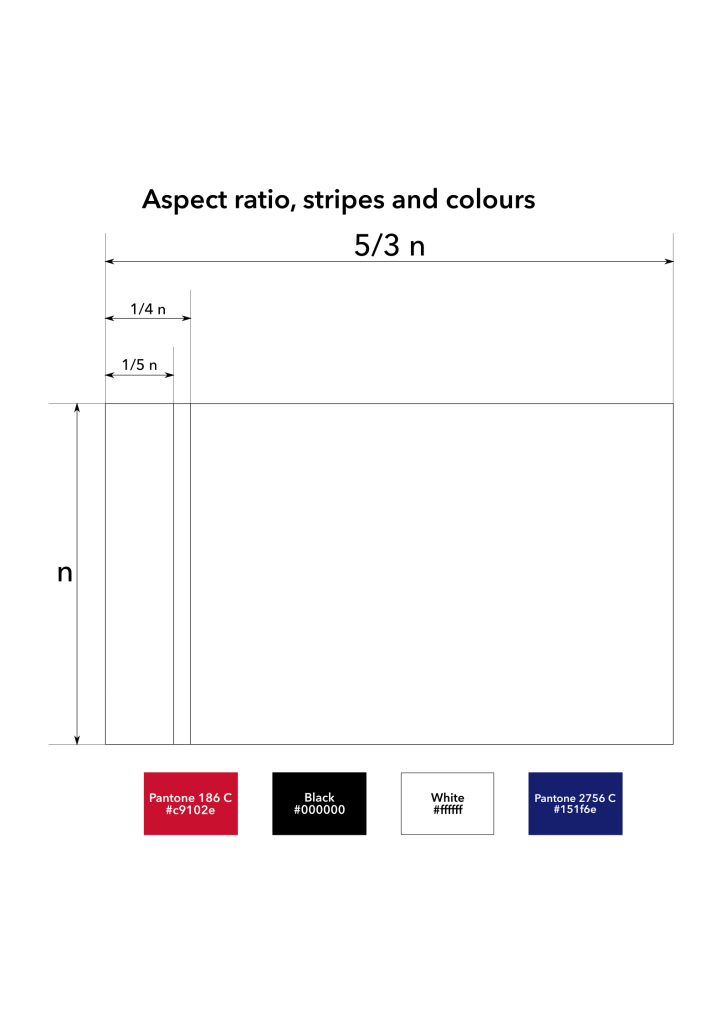
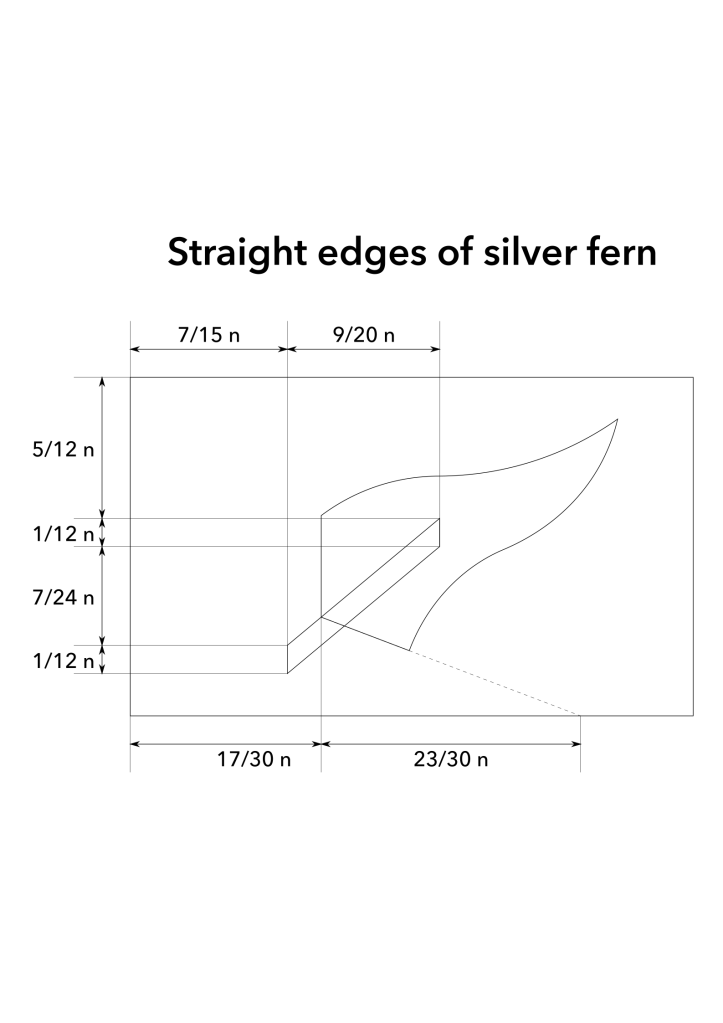
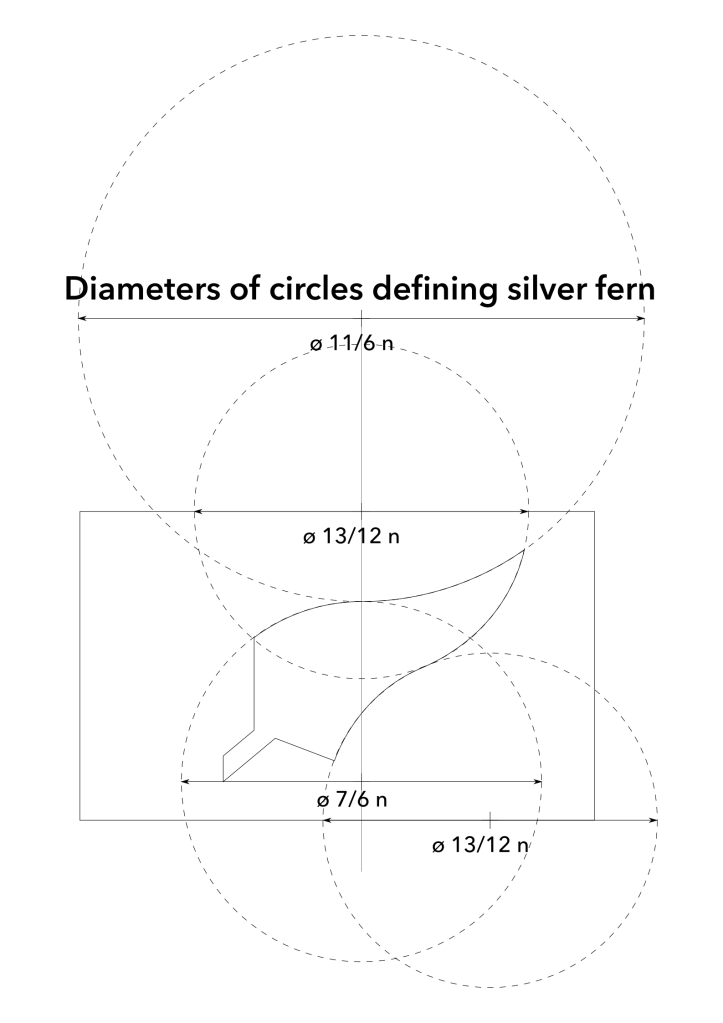
Construction sheet (multi-part)

Vector file download

[section permalink 🔗]

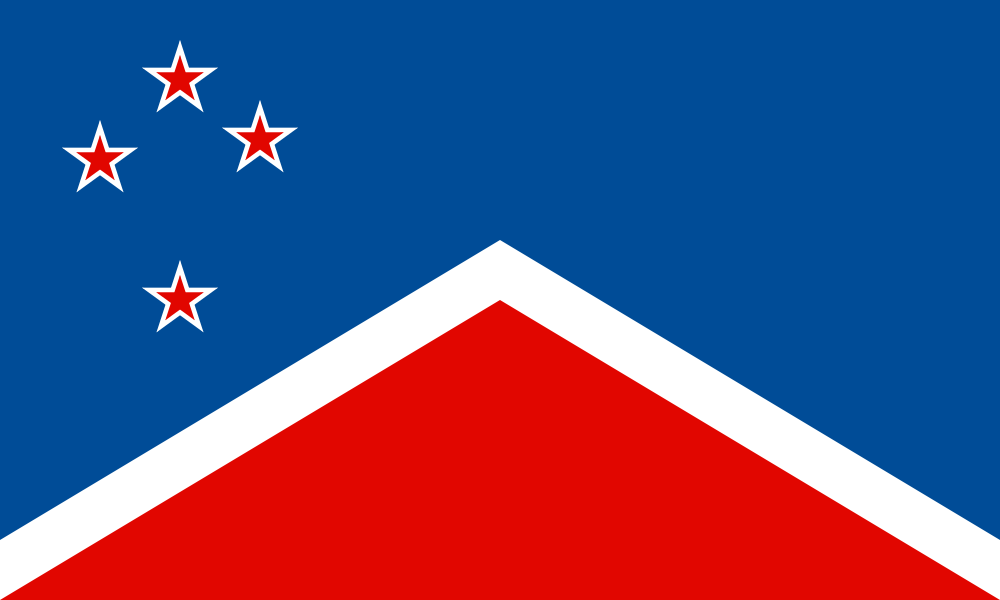
Blue Sky, White Mist and a Wholly Red Earth

Explanation

Blue Sky, White Mist and a Wholly Red Earth depicts an intuitive view of the country’s stunning scenery and unique natural environment that attract worldwide visitors. Above is the southern cross, representing our location in the Southern Hemisphere and our shared history. It is in the same rendition as the current national flag to establish continuity and aid recognition. Below is a chevron representing our misty mountains and volcanoes.

Red, white and blue are carried over from our current flag, representing past and present ties to the Commonwealth of Nations. Red represents the fertile earth, white represents the snow and mist, and blue represents the clear sky. Red is prominent because it is shared by both the British flag and Māori flag, and red is significant to Māori art and culture.

Commentary

This flag was designed to be the most effective NZ flag proposal for the 2016 referendum, outperforming the other designs by incorporating all the public feedback. It actually looks like a flag rather than a logo or souvenir, the symbolism doesn’t need to be explained, it has wide appeal and resonance, and it is very memorable based on our memory testing. Blue Sky formed part of the award-winning Six Deal-Breakers of Bad Flag Design presentation at NAVA 55, where it was used as an example of a flag that is specifically designed to counter-act those deal-breakers.

Funnily enough, we didn’t enter this flag into the referendum contest because James objected to the geometric style. Afterwards, I put it on the website out of public demand because everyone loved it so much! Some asked if Blue Sky was inspired by Aaron Dustin’s Red Peak design, but it was actually an independent creation based on the popularity of many chevron-based ideas submitted around the time.

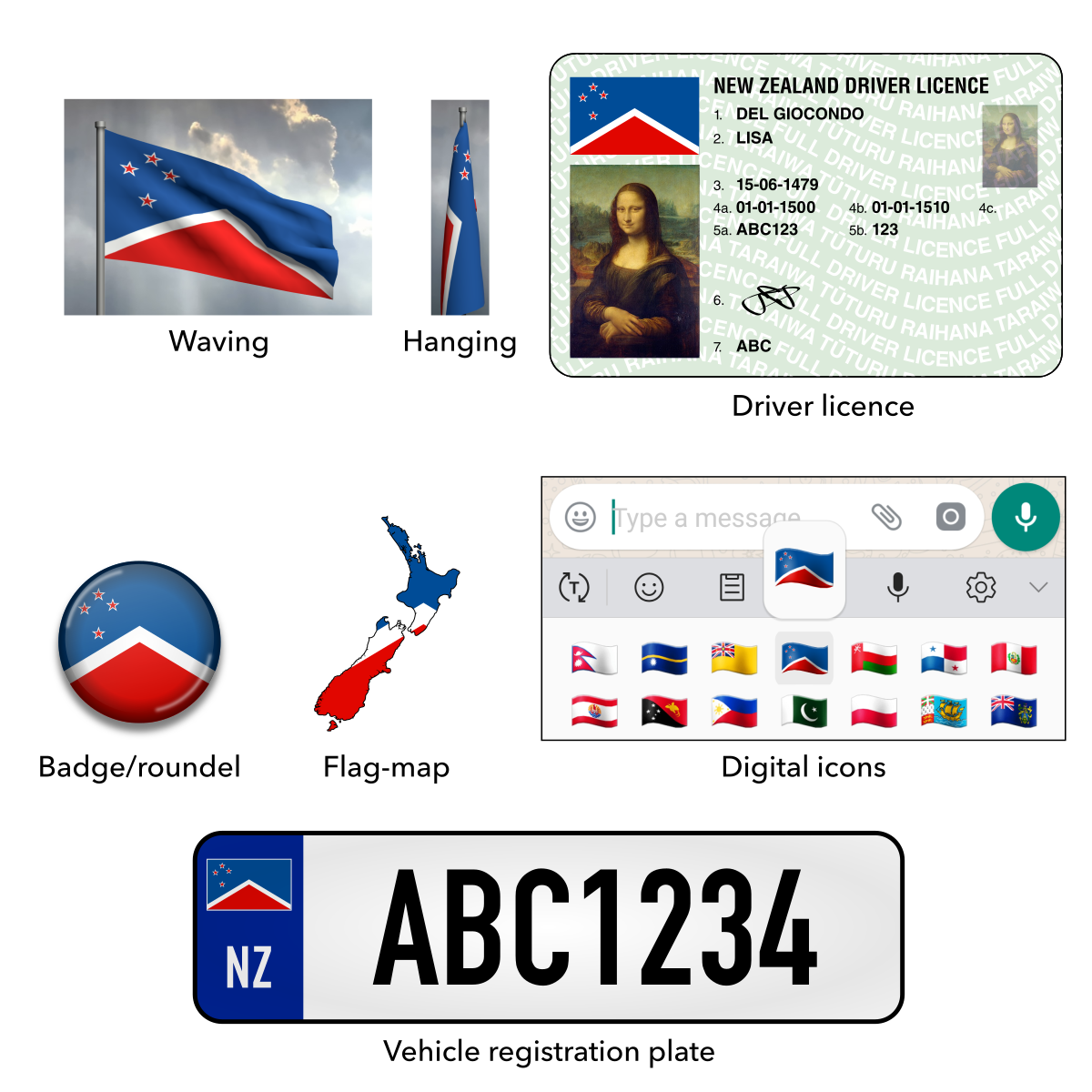
Mock-ups

Mock-ups for Blue Sky, White Mist and a Wholly Red Earth

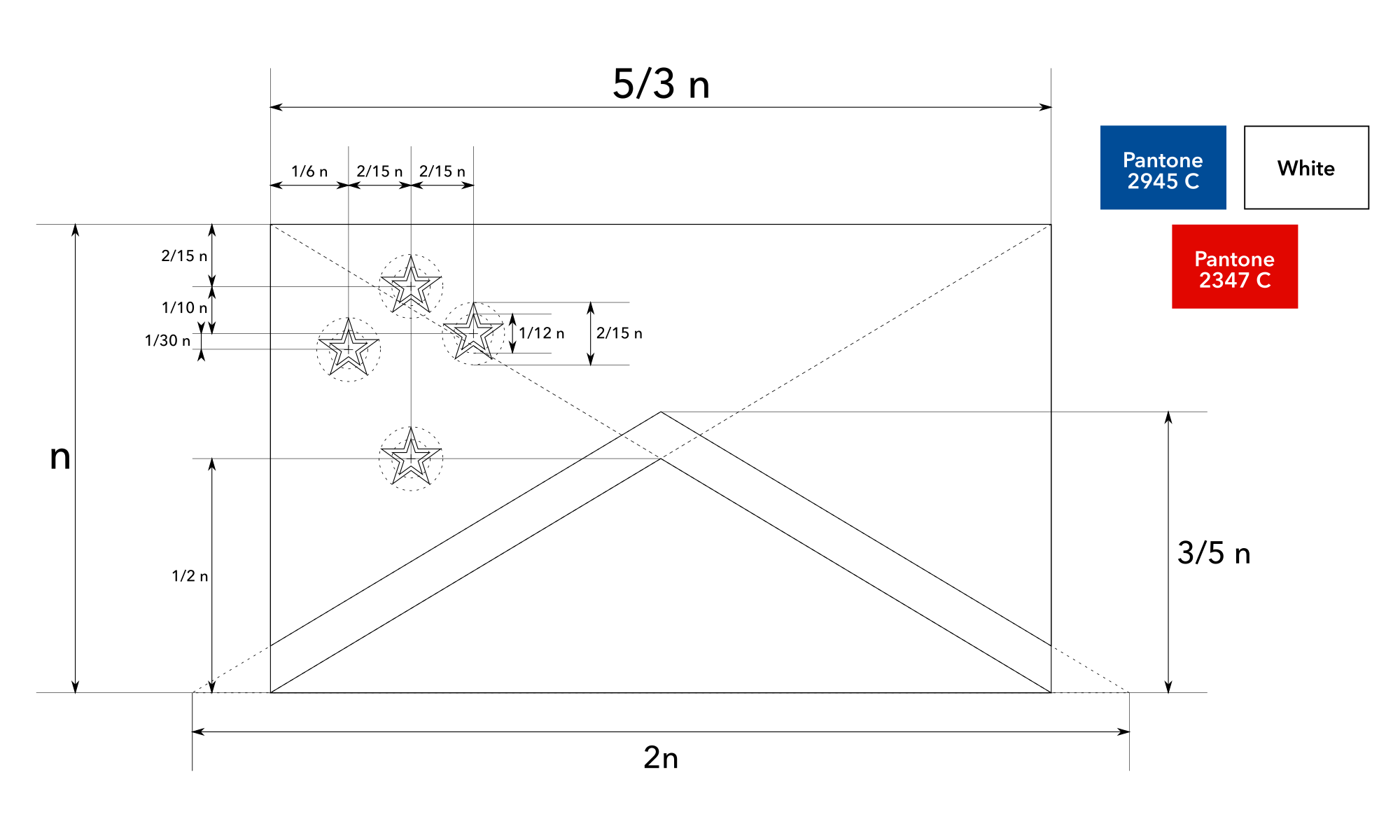
Construction sheet

Blue Sky, White Mist and a Wholly Red Earth construction sheet
Construction sheet for Blue Sky, White Mist and a Wholly Red Earth

Vector file download


Other Popular Designs

[section permalink 🔗]

Solidarity
Solidarity

Explanation

Solidarity combines the colours of the two cultures that signed the Treaty of Waitangi: The left half (hoist) features the red, white and black from the Māori flag, while the right half (fly) features the red, white and blue from the British flag. Red and white, the two colours shared by both colour schemes, are merged in a strong central bar that represents the solidarity of different cultures. The southern cross in the canton represents our location in the Southern Hemisphere and our shared history. It is in the same rendition as the current national flag to establish continuity and aid recognition.

Black represents the night sky, white represents the “land of the long white cloud” epithet (there are two white fimbriations to represent our two main islands), red represents the blood that we all share, and navy blue represents the ocean.

Commentary

This is the first design we ever made, and is now one of our most popular designs. Personally, I like it less than our newer designs.

Mock-ups

Mock-ups for Solidarity

Construction sheet

Construction sheet for Solidarity

Vector file download

[section permalink 🔗]

Land of the Long White Cloud v3 (green)

Explanation

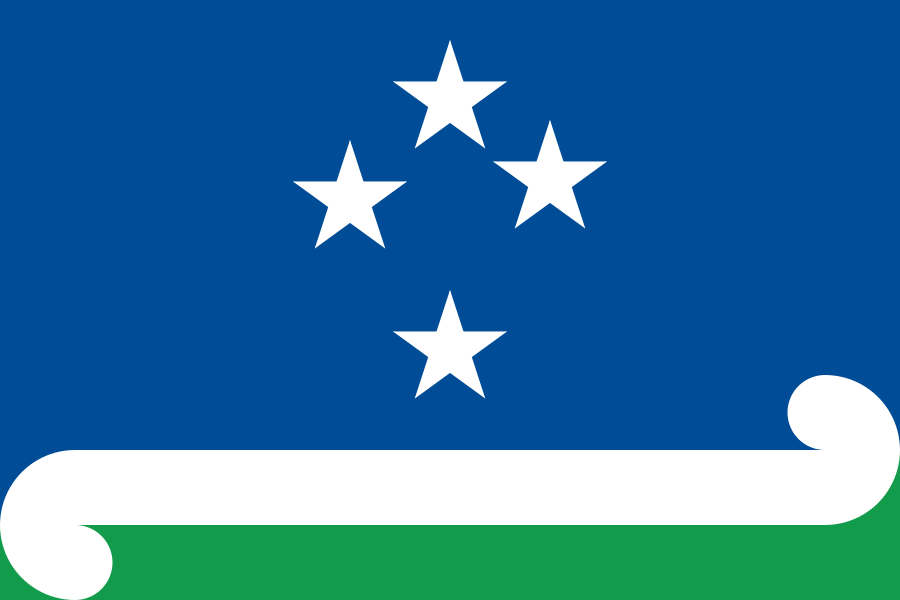
Land of the Long White Cloud v3 (green) depicts an intuitive view of the country’s stunning scenery and unique natural environment that attract worldwide visitors. Above is a simplified southern cross on a bright blue sky, representing our location in the Southern Hemisphere. Near the bottom is a white stripe representing the “land of the long white cloud” epithet. Its form is inspired by the traditional Māori koru pattern, a symbol of new life and growth, applied in a universal way. At the bottom is a green stripe, representing our lush land and scenery.

Compared to the current flag, the larger, simplified southern cross shines better against its background when waving at a distance. The colour shades are much brighter than the current flag to evoke a more positive and lush natural feel.

Commentary

Land of the Long White Cloud v3 (green) is the second design we ever made, but with some minor adjustments over the years. It remains one of my personal top picks.

Mock-ups

Mock-ups for Land of the Long White Cloud v3 (green)

Construction sheet

Construction sheet of Land of the Long White Cloud v3 (green)

Vector file download

[section permalink 🔗]

Equilibrium

Explanation

Equilibrium depicts an intuitive view of the country’s stunning scenery and unique natural environment that attract worldwide visitors. Above is a simplified southern cross on a black night sky, representing our location in the Southern Hemisphere and boundless possibilities. Near the bottom is a white stripe representing the “land of the long white cloud” epithet and peace. Its form is inspired by the traditional Māori koru pattern, a symbol of new life and growth, applied in a universal way. At the bottom is a green stripe, representing our lush land, also in the form of a koru.

The arrangement of the two koru symbolises our successful multiculturalism. Just as the two koru embrace each other in visual equilibrium, people from different backgrounds embrace each other to connect, understand and exchange new ideas.

Compared to the current flag, the larger, simplified southern cross shines better against its background when waving at a distance.

Commentary

Equilibrium is the newest of these designs. It is similar to Land of the Long White Cloud v3 (above), but Equilibrium features the unique black rather than the conservative blue, and uses a different arrangement of koru.

Mock-ups

Mock-ups for Equilibrium

Construction sheet

Equilibrium construction sheet

Vector file download
[section permalink 🔗]

Flourishing Together

Explanation

Flourishing Together retains the same basic layout as the current flag, aiding recognition and establishing continuity. The flag features two prominent koru, traditional Māori symbols of new life and growth. The arrangement of koru meeting in the middle represents different people “flourishing together” in mutual benevolence, respect and support. The simplified southern cross represents our location in the Southern Hemisphere and our shared history.
The red, white and blue are carried over from the current flag, representing our past and present ties to the Commonwealth of Nations. Red represents the blood we all share, white represents peace and blue represents the historic ocean migrations of our ancestors.

Commentary

This flag satisfied many of our standards of success. It is aesthetically charming, got enthusiastic responses, satisfied many aspects of national symbolism and scored highly in memory testing.

Our earliest version of the design veered a little into the “cheesy souvenir” deal-breaker, but we have simplified it into a much more popular design. It was a conscious attempt to appeal to James’ style to counterbalance mine: Longer aspect ratio, complex and free-form patterns.

This is the direct counterpart to my Australian flag proposal Dotted Sun and Stars.

Mock-ups

Mock-ups for Flourishing Together

Construction sheet

Construction sheet for Flourishing Together

Vector file download

[section permalink 🔗]

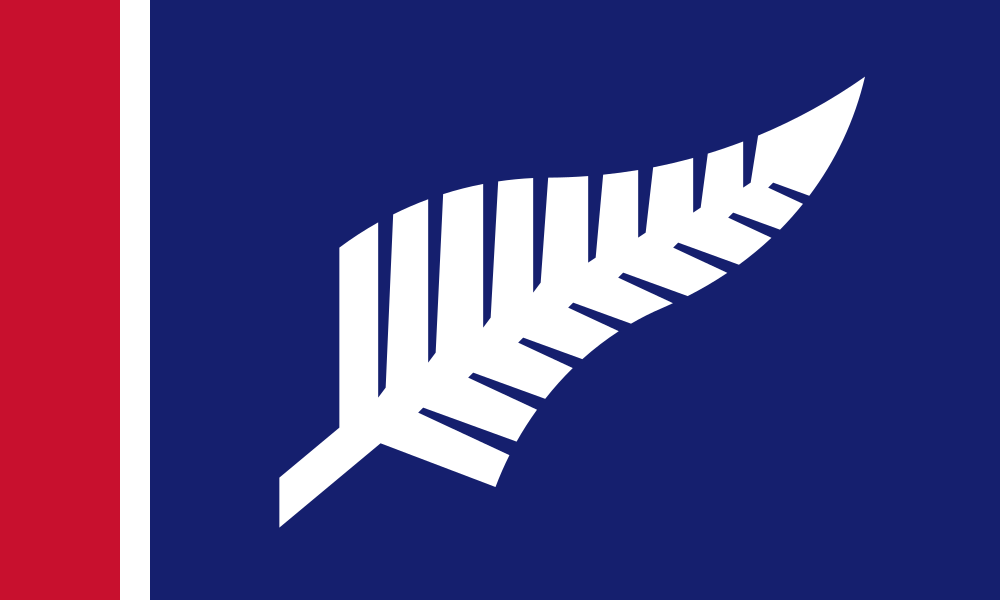
Silver Fern with Red Stripe

Explanation

Silver Fern with Red Stripe is based on the silver fern, a unique and well-known symbol of New Zealand’s natural environment.

The form of the silver fern is simplified like the abstract maple leaf on the flag of Canada, with a smoother outline and fewer fine details. This minimal depiction makes the symbol more recognisable and prominent when waving at a distance. It was constructed by overlaying many different silver fern renditions and tracing the average outline, ensuring it is a generic, prototypical silver fern and does not resemble any particular logo or emblem.

The red, white and blue is carried over from the current flag, establishing continuity and balancing traditional symbolism with modern symbolism. Red represents passion, white represents peace and navy blue represents boundless possibility. The vertical red stripe at the hoist aligns with the pole to establish itself as a strong anchor, while the large blue section flies freely to establish a sense of dynamism.

Commentary

This design was also quite popular at the time. This was James’ personal favourite out of our designs – he felt it was “simple but not boring or an overdone layout”. When I first created this website, this was the only design published, and someone e-mailed me out of the blue just to tell me that he loved it and supplied a link to the government’s submission form because he wanted me to submit it so badly.

Mock-ups

Mock-ups for Silver Fern with Red Stripe

Construction sheet (multi-part)

Vector file download

[section permalink 🔗]

Southern Cross with Red Stripe

Explanation

Southern Cross with Red Stripe features the same colour scheme and southern cross as the current flag, aiding recognition and establishing continuity. Red, white and blue represent our past and present links to the Commonwealth of Nations. The southern cross represents our location in the Southern Hemisphere and shared history. The vertical red stripe at the hoist aligns with the pole to establish itself as a strong anchor, while the large blue section flies freely to establish a sense of dynamism. It has minimal change to the current flag, appealing to traditional symbolism.

Commentary

This design is deliberately the most conservative. It came from an exercise to aim for cautiousness and tradition above all else, with minimal change to the current flag. However, it easily fell into the “it’s boring but it works” trap, which many people picked up on. Aesthetically, it doesn’t really have a good focal point either.

Mock-ups

Mock-ups for Southern Cross with Red Stripe

Construction sheet

Construction sheet for Southern Cross with Red Stripe

Vector file download


End Matter

[section permalink 🔗]

[section permalink 🔗]

Thanks to James Fitzmaurice for all his expertise and contributions to our designs.

Thanks to everyone who participated in our surveys. Thanks to everyone who conducted the research that helped us in our design process.

Waving flag mock-ups made with krikienoid’s Flag Waver software. Driver licence mock-ups contain licence design by New Zealand Transport Agency and painting of Lisa del Giocondo by Leonardo da Vinci. Digital icon mock-ups contain user interface elements from WhatsApp, Android Keyboard and Google’s flag emoji. We do not claim affiliation with nor ownership of the intellectual properties acknowledged in this section.

[section permalink 🔗]

Barrett, J. L., & Nyhof, M. A. (2001). Spreading nonnatural concepts: The role of intuitive conceptual structures in memory and transmission of cultural materials. Journal of Cognition and Culture, 1, 69–100.

Cheng, D. (2014). Flag debate: NZers favour new design – survey. Retrieved from http://www.nzherald.co.nz/nz/news/article.cfm?c_id=1&objectid=10625679

Davison, I. (2014). Kiwis back Union Jack flag. Retrieved from http://www.nzherald.co.nz/nz/news/article.cfm?c_id=1&objectid=11222086

Hubel, D. H., & Wiesel, T. N. (2004). Brain and Visual Perception. Oxford: Oxford University Press.

Osborne, D., Lees-Marshment, J., & van der Linden, C. (2016). “National identity and the flag change referendum: Examining the latent profiles underlying New Zealanders’ flag change support.” New Zealand Sociology, 31(7), 19-47.

Sibley, C., Hoverd, W., & Duckitt, J. (2011). “What’s in a Flag? Subliminal Exposure to New Zealand National Symbols and the Automatic Activation of Egalitarian Versus Dominance Values.” The Journal of Social Psychology, 151(4), 494-516. http://dx.doi.org/10.1080/00224545.2010.503717

Sibley, C., Hoverd, W., & Liu, J. (2011). “Pluralistic and Monocultural Facets of New Zealand National Character and Identity.” New Zealand Journal of Psychology, 40(3), 19-29.

Trevett, C. (2015). Flag poll message clear: Leave it alone. Retrieved from http://www.nzherald.co.nz/nz/news/article.cfm?c_id=1&objectid=11441353

Proposed flag of Michigan

Flags

The Current Design

flag of michigan, usa
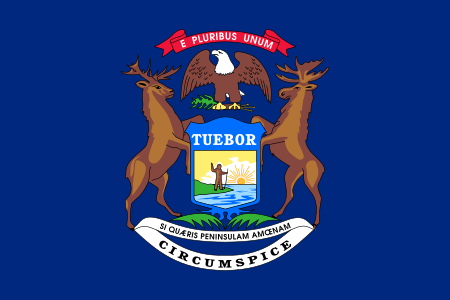
Current flag of Michigan

The current flag of Michigan is a typical American-style seal-on-blue-bedsheet design; as a result it is convoluted, unmemorable and uninspiring. It scored 3.46/10 in NAVA’s survey, making it the fourteenth worst flag in North America. In 2018, a state senator introduced a bill to replace it with a new design. Although nothing came of that, below is what I would have proposed:

My Proposal

02 proposed flag of michigan [recoded]
Proposed flag of Michigan

Explanation

First off, this design is simple enough to be remembered by a child, yet distinctive enough to be identified at a distance.

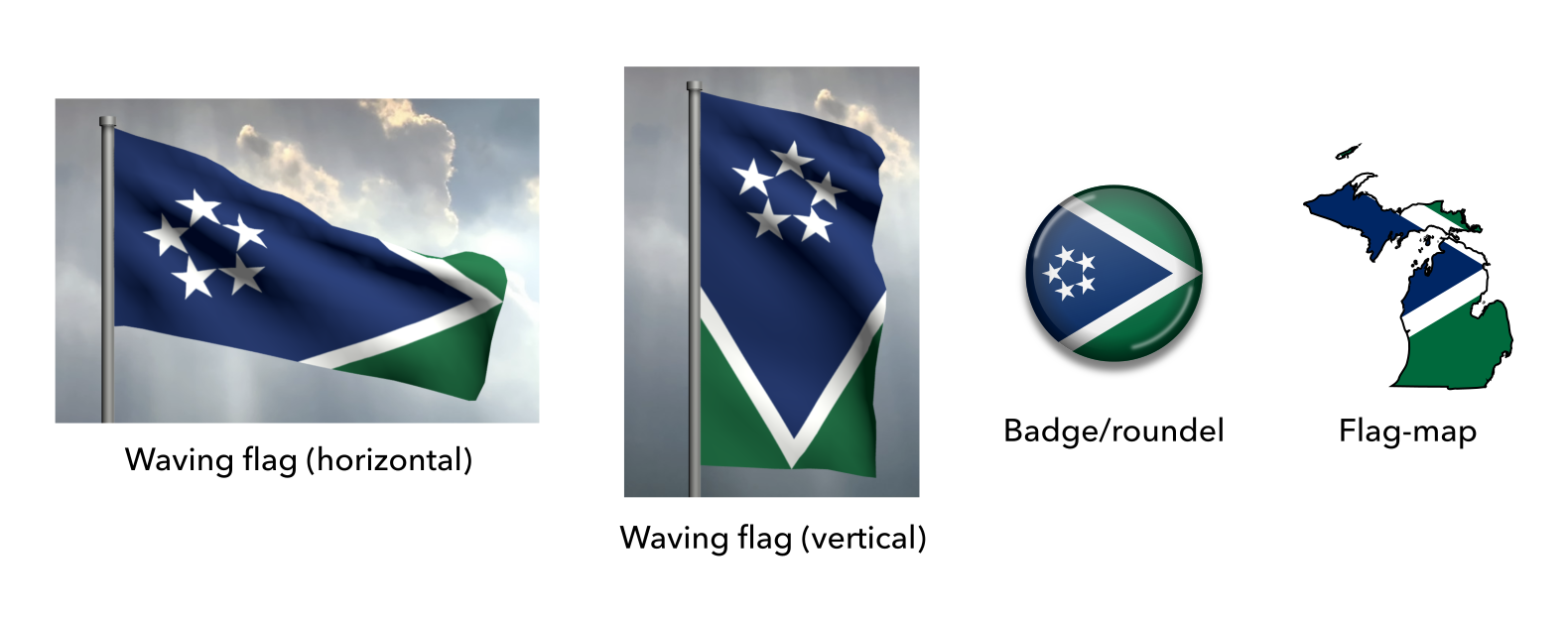
The overall layout represents the geography of Michigan, with two peninsulas (the green sections) and their coastlines (the white sections) united by water (the blue section). Together, these form an arrow representing unity and progress. If hung vertically, the design resembles a shield, recalling the motto Tuebor (Latin for “I defend”).

The five white stars represent the main lakes of Michigan which form a vital part of the state’s identity, lifestyle and livelihood (Lakes Erie, Huron, Michigan, Superior and Saint Clair). The lakes’ importance to Michigan is reflected in it’s official nickname, “The Great Lakes State”, its state quarter and even in the very name “Michigan”, which means “large water” or “large lake”. The stars are in the same form as those in the national flag, to suggest a connection.

The white represents the coast, peace and snow (one of Michigan’s nicknames was “Winter Water Wonderland”), the green represents the land and the blue represents the water. The colours are all present on the current flag, so any further symbolism they have can be carried over as well.

Updates

Michigan proposal flying outside Larry's house
Michigan proposal flying outside Larry’s house

In the years since I posted this design, multiple Michiganders have fabricated physical versions to fly proudly. The photo above is from Larry, who said, “the redesign is better and the flag will stay in my family for generations. Thanks so much for the design.” I always appreciate surprises from local fans who love the flag!

Mock-ups

Mock-ups of the proposed flag of Michigan

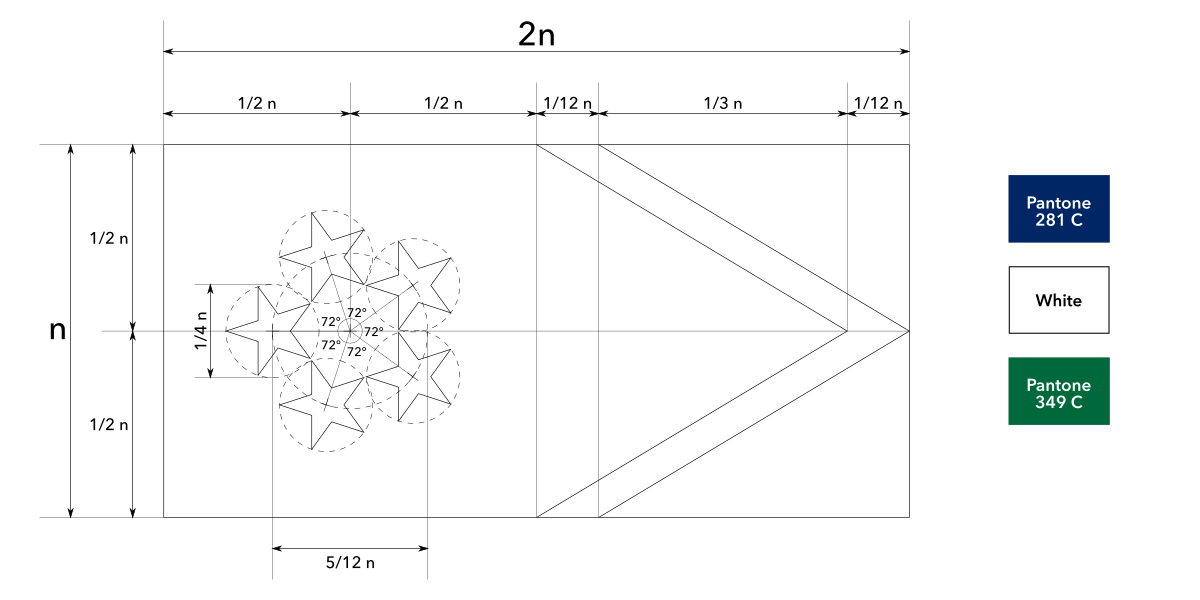
Construction sheet

03 construction sheet of the proposed flag of michigan
Construction sheet of the proposed flag of Michigan

Vector file download


🔗 Related Links

Proposed flag of Fiji

Flags

The current design

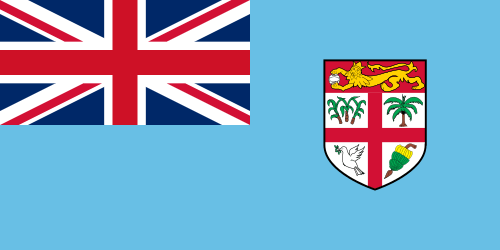
Flag of Fiji

The current flag of Fiji

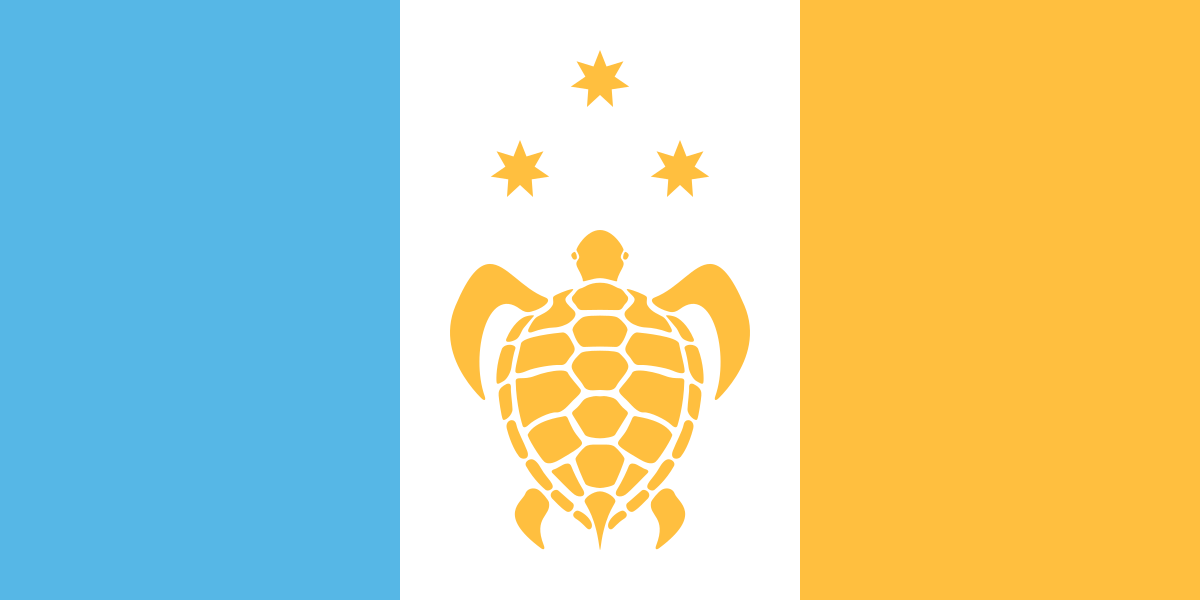
The current flag of Fiji is almost unchanged from its colonial predecessor, a defaced British Blue Ensign. Since becoming a republic, the prime minister Frank Bainimarama called for a new flag design to reflect a new, genuine, confident Fijian identity without inheriting old colonial symbols. The Fijian government called for submissions throughout 2015 and 2016 but this plan fell through. This was the proposal designed by myself, James Fitzmaurice and Rachael Radhika-Hart.

Our proposal

Proposed flag of Fiji by Brian Cham, James Fitzmaurice and Rachael Radhika-Hart.

Proposed flag of Fiji by Brian Cham, James Fitzmaurice and Rachael Radhika-Hart.

Proposed Flags of the United Kingdom

Flags

Executive Summary

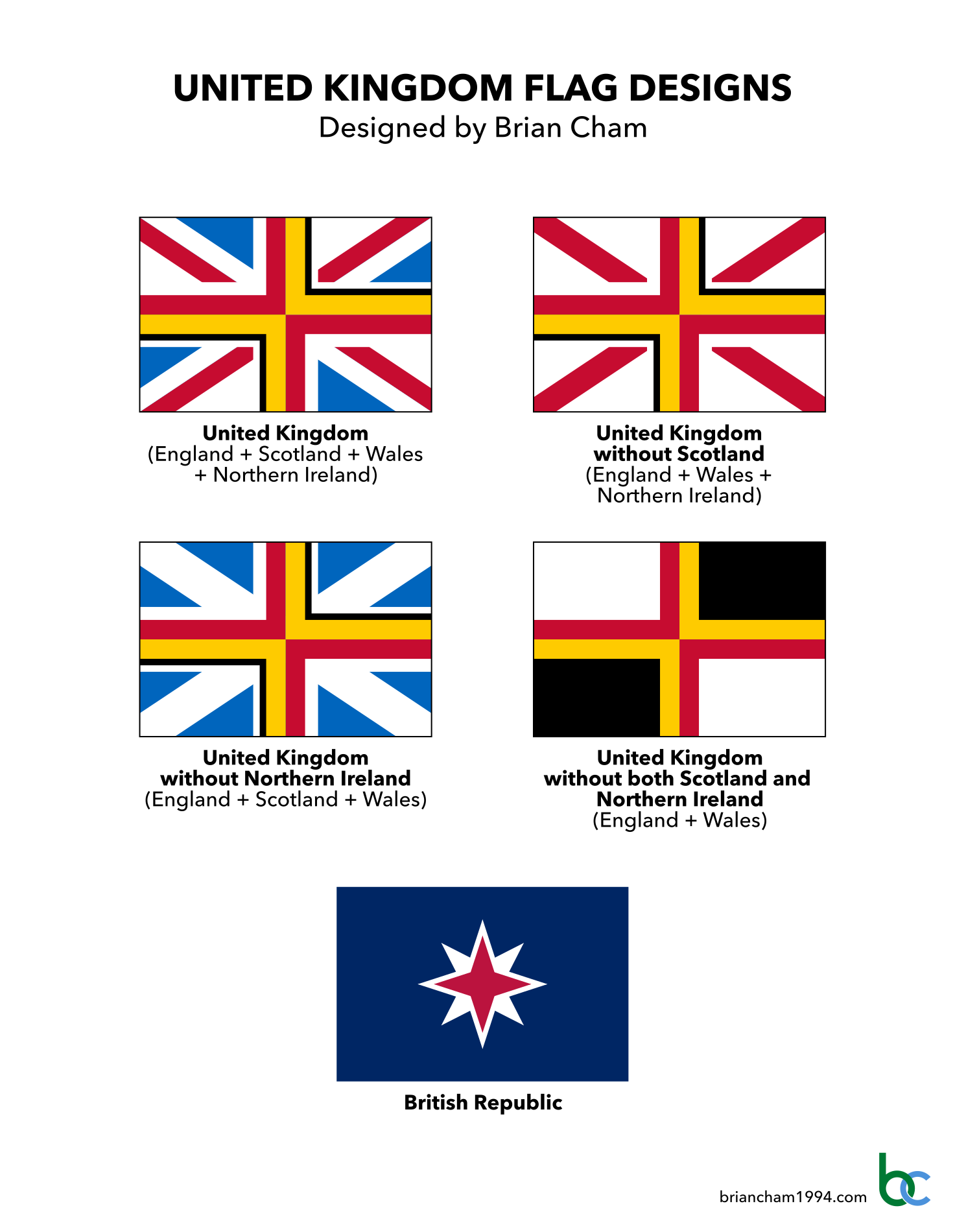
Here are my national flag concepts for the United Kingdom, representing different scenarios where some of its home nations (England, Scotland, Wales and Northern Ireland) are present in the union and others have left.

Like all good flags, these designs are simple enough to be remembered by a child and distinct enough to be recognised at a distance. For a quick summary, the gallery of designs is below. For an extensive read, scroll down and expand each section to see details for each flag, including high-resolution graphics, commentary, mock-ups, construction sheets and vector file downloads.

Proposed flags of the United Kingdom by Brian Cham

The Current Design

constituent-crosses-of-the-uj
Constituent crosses of the flag of the United Kingdom. Diagram courtesy of Wikipedia.

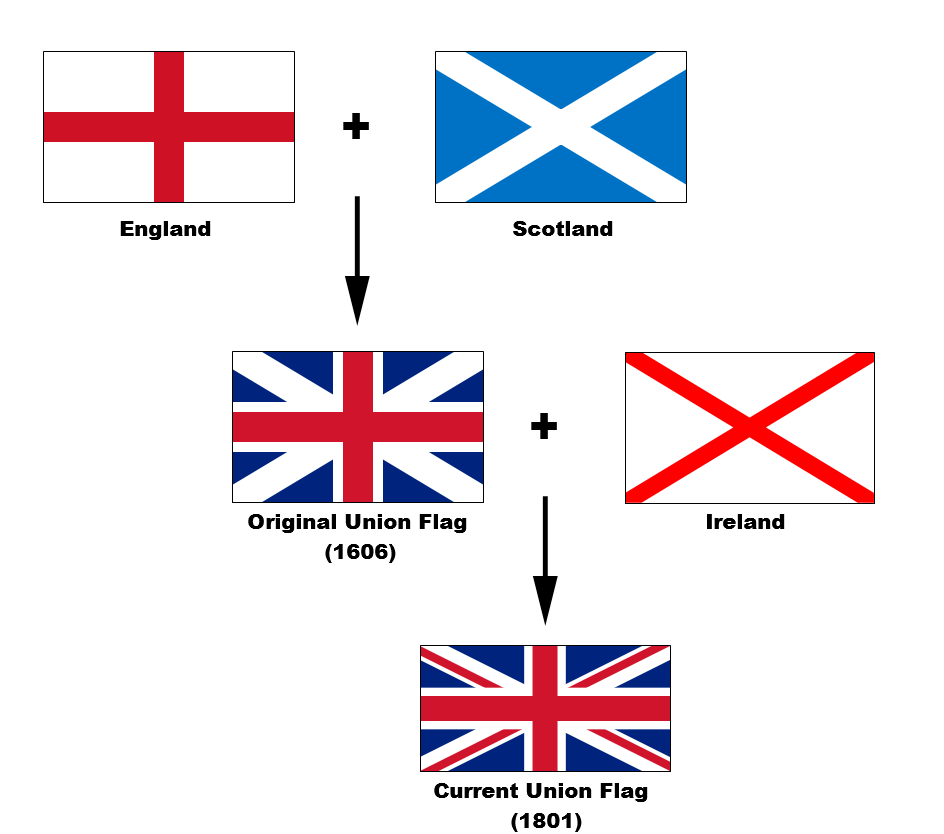
As demonstrated in the above diagram, the current flag of the United Kingdom combines Saint George’s Cross (representing England), Saint Andrew’s Cross (representing Scotland) and Saint Patrick’s Cross (representing Northern Ireland).

The future of the United Kingdom and its flag have been questioned in recent years, especially after Brexit, the passing of Queen Elizabeth II and rising support for Scottish independence and Irish unification. I have designed a flag to answer each of these questions:

  1. Only three of the four Home Nations are represented on the flag. There is no representation for Wales. What should happen to the flag if Wales were included on the flag?
  2. What should happen to the flag if Scotland leaves the union?
  3. What should happen to the flag if Northern Ireland leaves the union?
  4. What should happen to the flag if both Scotland and Northern Ireland leave the union?
  5. What should happen to the flag if Britain becomes a republic?

In all cases, I have aimed to retain the pattern of the Union Jack as much as possible to aid recognition and suggest continuity.

Disclaimer: My choice of designs do not reflect my political opinions.


United Kingdom Flag Designs

[section permalink 🔗]

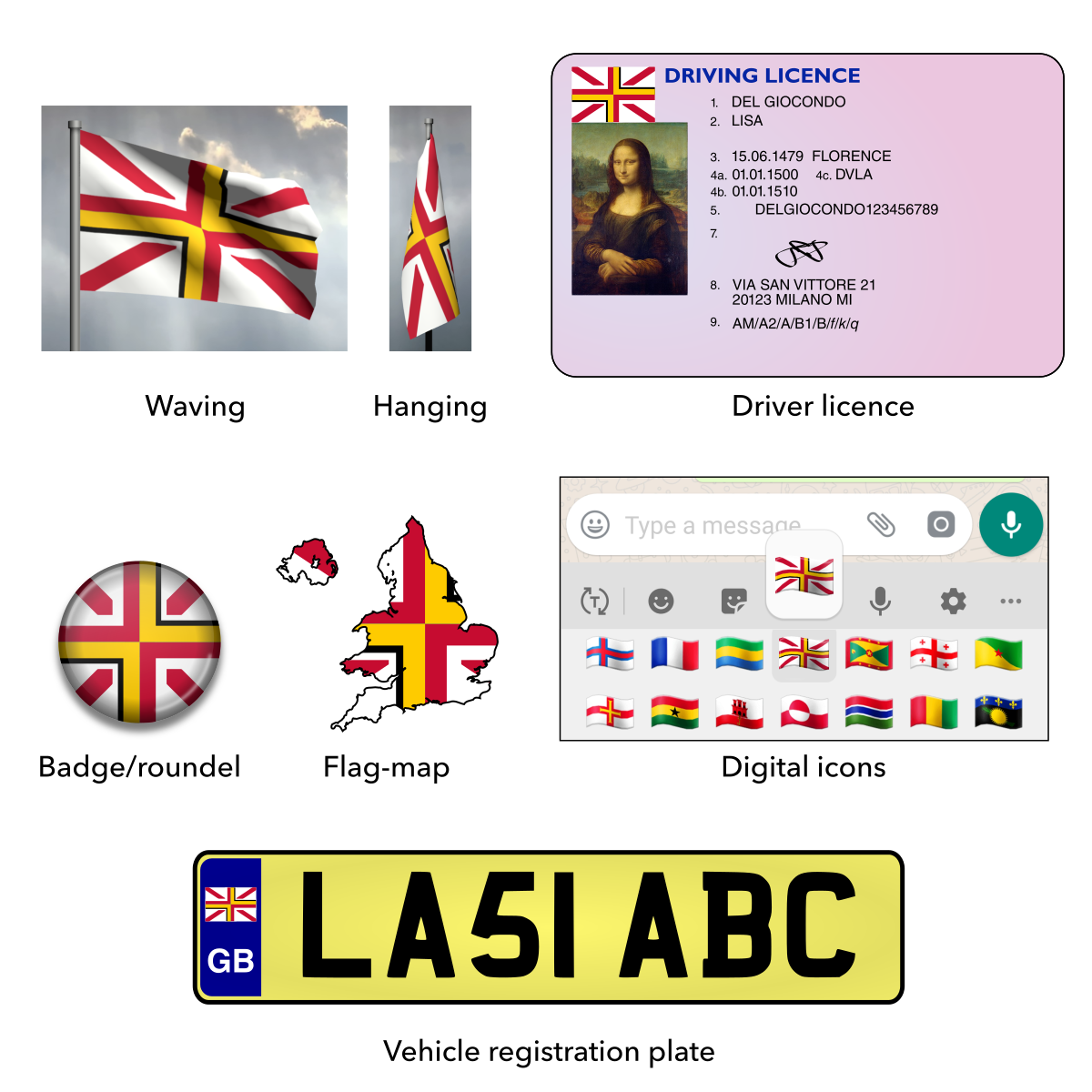
proposed-flag-of-the-uk
Proposed flag of the United Kingdom with Wales

Explanation

The current flag includes crosses to represent three of the four Home Nations: England, Scotland and Northern Ireland. However, there is no reference to Wales, the remaining Home Nation, as it was part of England at the time of the flag’s creation. There have been periodic calls for the flag to be updated to properly include Wales, but other such design proposals tend to be unwieldy and overly complex.

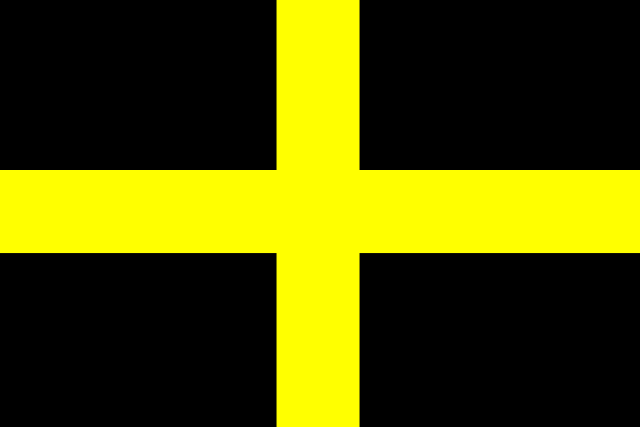
This design modifies the current flag by adding Saint David’s Cross (black and gold) to represent Wales. This way, all four Home Nations are now represented in a way that continues the original tradition of the Union Jack.

flag_of_saint_david
Saint David’s Cross, a symbol of Wales.

This design also features some other small “fixes”:

  • The ratio of the overall flag is now shorter to match the original ratios of the Home Nations flags.
  • Saint Andrew’s cross (representing Scotland) is now sky blue to match the blue on the original Scottish flag.
  • Saint Andrew’s cross (representing Scotland) and Saint Patrick’s cross (representing Northern Ireland) are now in equal proportions.

Commentary

This design is part of my 2009 flag proposal series (the flag designs from my old site with the most hits and ratings).

Initially, this flag did not get many hits, so I didn’t transfer it from my old site in 2009. Years later, someone personally requested me to upload this design again. It had not been online for over five years, yet this person remembered the design and its author! That had to mean something.

Mock-ups

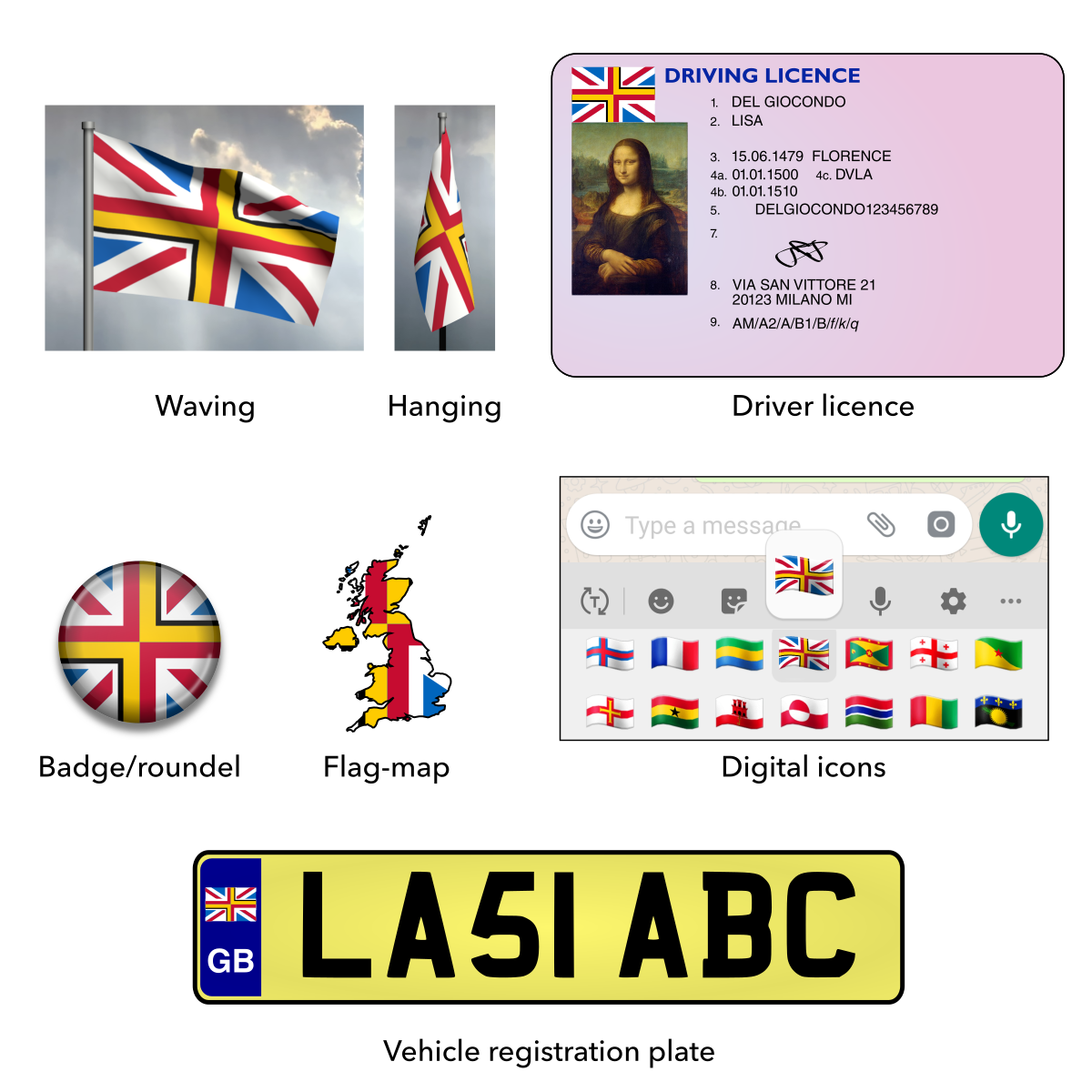
Mock-ups for the proposed flag of the United Kingdom with Wales

Construction sheet

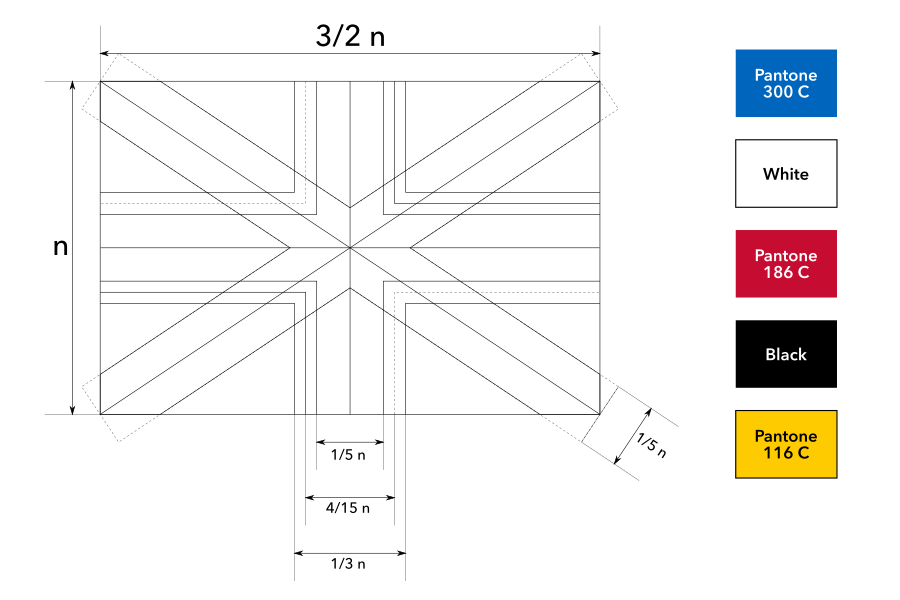
Construction sheet for the proposed flag of the United Kingdom with Wales

Vector file download

[section permalink 🔗]

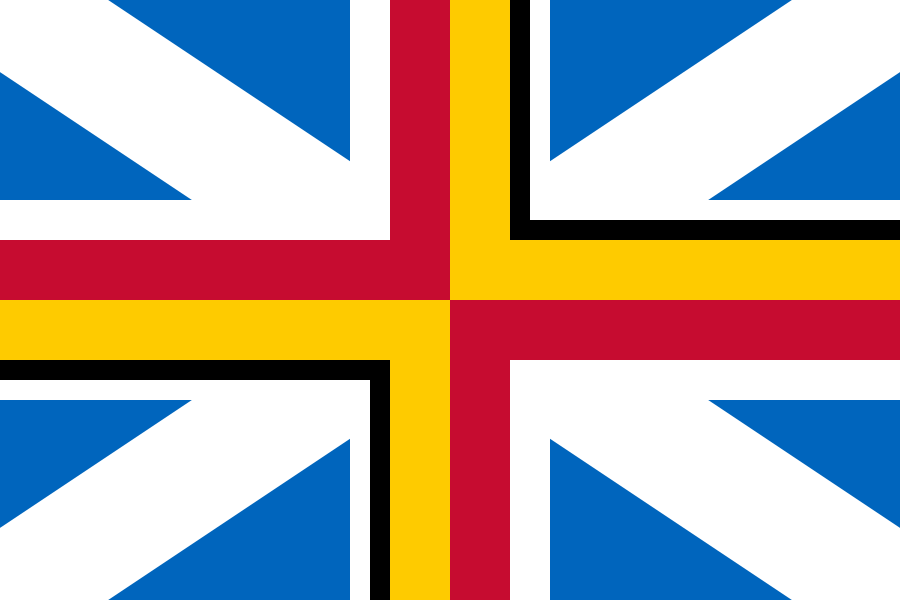
Proposed flag of the United Kingdom without Scotland

Explanation

In the future, Scotland may vote to become independent. This nearly happened in a referendum in 2014 and it is an ongoing topic of discussion

In this scenario, Saint Andrew’s Cross (blue and white saltire) would be removed from the Union Jack. Here is my proposal for how to achieve this neatly. It also includes the fixes from my “Proposed flag of the United Kingdom with Wales” design – Saint David’s Cross is included to represent Wales and the overall ratio is the original short length.

Mock-ups

Mock-ups of the proposed flag of the United Kingdom without Scotland

Construction sheet

Construction sheet of the proposed flag of the United Kingdom without Scotland

Vector file download

[section permalink 🔗]

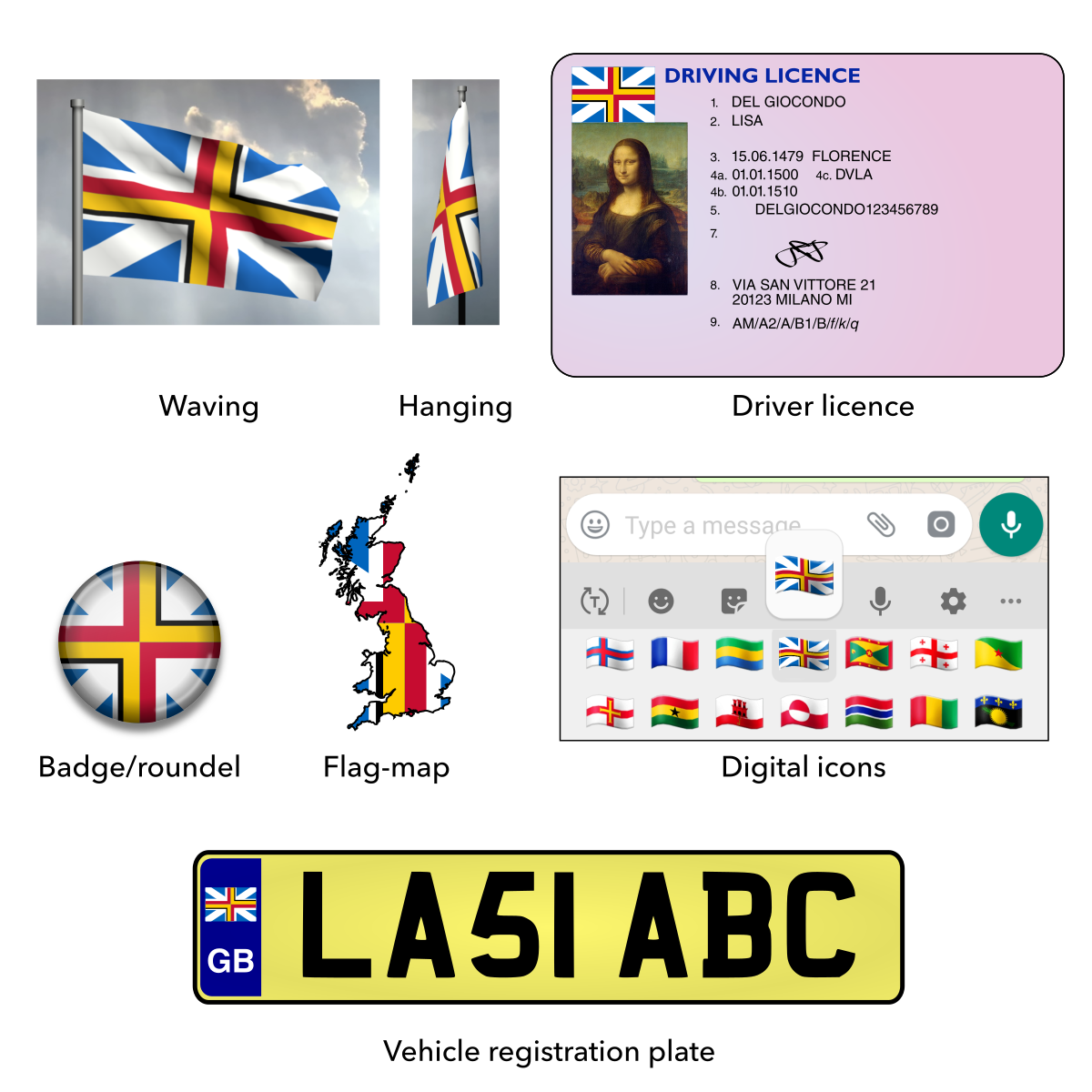
Proposed flag of the United Kingdom without Northern Ireland

Explanation

In the future, Northern Ireland may vote to leave the United Kingdom and unite with the rest of Ireland. The Good Friday Agreement stipulates that a referendum for Irish unification can be held if public support is high enough; this has not happened yet but it remains a future possibility.

In this scenario, Saint Patrick’s Cross (white and red saltire) would be removed from the Union Jack. There are a number of proposals for what the result should look like. My proposal is shown below. It also includes the fixes from the “Proposed flag of the United Kingdom with Wales” design – Saint David’s Cross is included to represent Wales, the blue has been corrected to the original sky blue and the overall ratio is the original short length.

Mock-ups

Mock-ups of the proposed flag of the United Kingdom without Northern Ireland

Construction sheet

Construction sheet of the proposed flag of the United Kingdom without Northern Ireland

Vector file download

[section permalink 🔗]

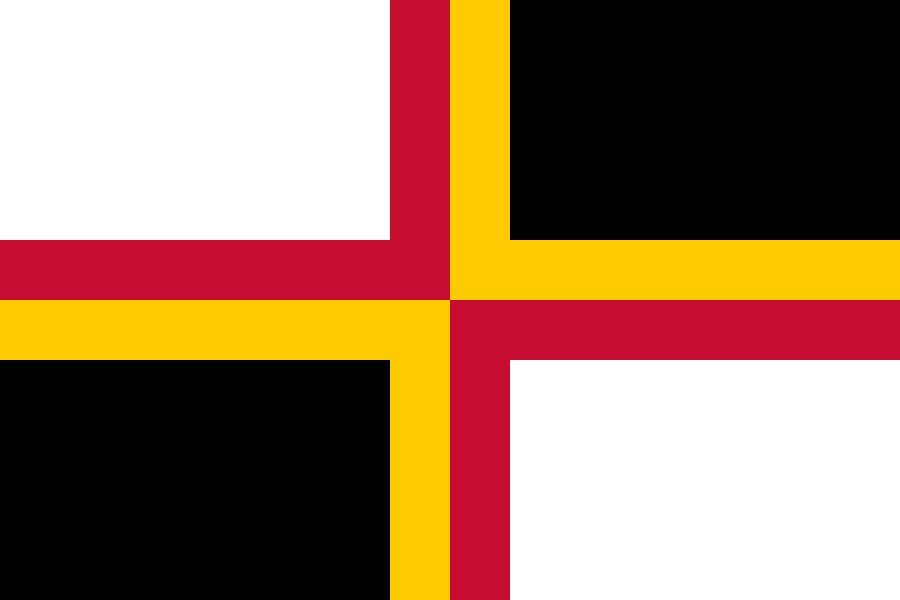
Proposed flag of the United Kingdom without both Scotland and Northern Ireland

Explanation

In the future, the previous two scenarios might both happen, leaving only England and Wales in the union.

My proposal quarters Saint George’s Cross (representing England) and Saint David’s Cross (representing Wales). It also adjusts the overall ratio to the original short length.

Mock-ups

Mock-ups of the proposed flag of the United Kingdom without both Scotland and Northern Ireland

Construction sheet

Construction sheet of the proposed flag of the United Kingdom without both Scotland and Northern Ireland

Vector file download

[section permalink 🔗]

Proposed flag of the British Republic

Explanation

In the future, the United Kingdom might even become a republic! It’s unlikely, but stranger things have happened in history (and are happening right now). Some have asked whether becoming a republic would compel the flag to change. I think the monarchy is so fundamental to the country’s current identity (it’s even in the name “United Kingdom”) that a republic would be a change to a fundamentally different nation and raises the potential possibility of a new flag.

While there were other historical British republican flags, these designs are not very well-known, are quite plain and essentially identical to the present flag of Hungary.

My proposal is simple and bold. It resembles the current Union Jack to aid recognition and suggest continuity, yet has its own distinct symbolism.

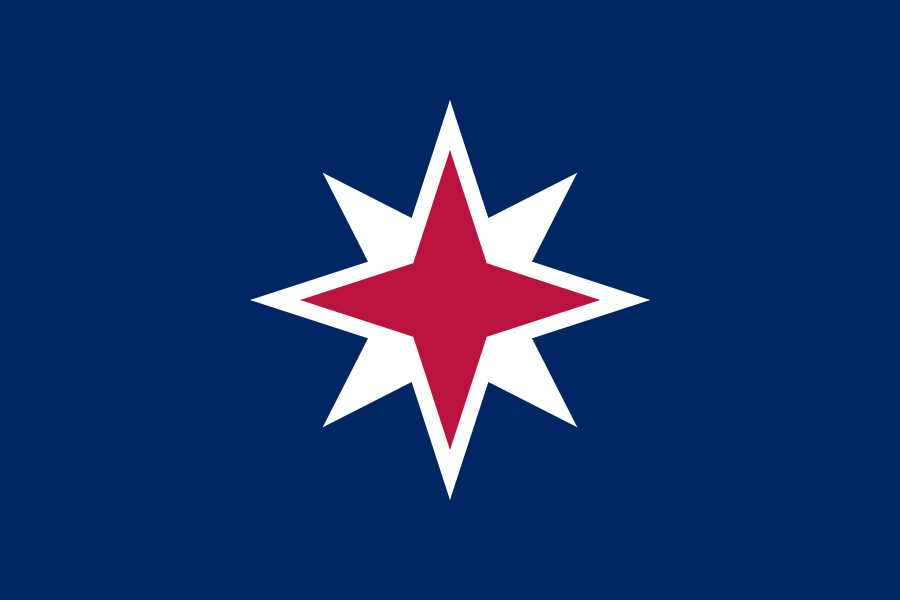
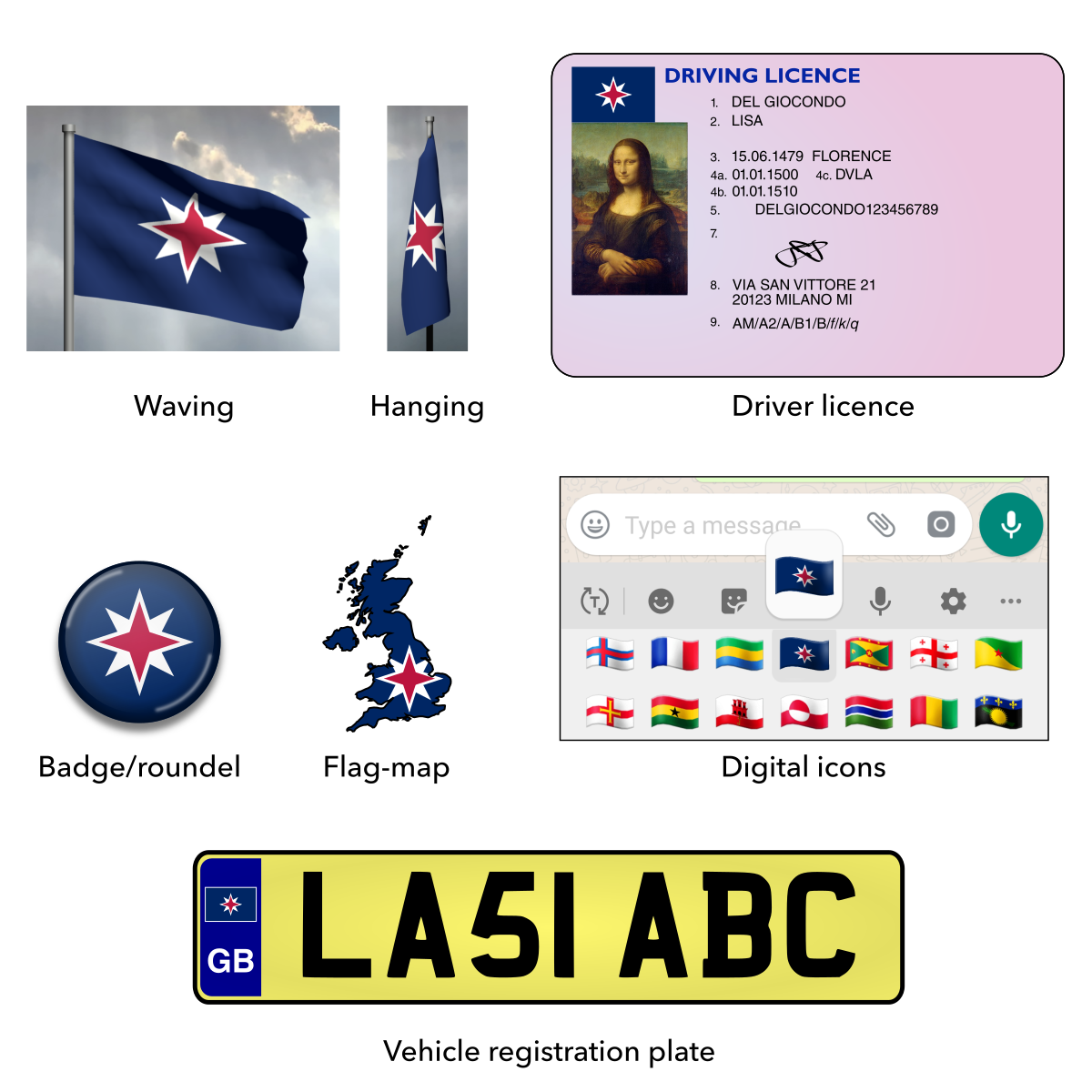
The central emblem is a compass, representing Britain’s maritime history, its role in the Age of Exploration, its global outlook and its worldwide influence in all directions.

The four cardinal points represent the four Home Nations, united as one: England, Wales, Scotland and Northern Ireland.

The four intercardinal points represent Britain’s four worldwide influences:

  1. The English language, now the de facto global lingua franca.
  2. Political institutions like parliamentary democracy, common law and the Commonwealth of Nations.
  3. The Industrial Revolution, marking the shift from agrarian society to the use of machines and a higher standard of living.
  4. Significant contributions to modern science, including many geniuses like Isaac Newton, Charles Darwin, Ada Lovelace, Francis Crick, Stephen Hawking, Tim Berners-Lee and more.

The blue represents the ocean, boundless ambition and excellence, the white represents the coastline, snow and the Enlightenment, and the red represents the land, courage and sacrifice. The overall layout suggests an island surrounded by ocean, but not isolated by it, as its influence radiates outwards like the points of the compass.

Mock-ups

Mock-ups of the proposed flag of the British Republic

Construction sheet

Construction sheet of the proposed flag of the British Republic

Vector file download


[section permalink 🔗]


🔗 Acknowledgements

[section permalink 🔗]

Thanks to my cultural advisor and fact checker Gavin Ayling.

The 7 most popular New Zealand flag proposals (according to the public)

Flags

Note: This post lists the flag designs that are most popular with the general public. For my own judgement on the best proposals, see this post.

When I was thinking of designs for the New Zealand flag competition, I was curious about the preferences of the wider public. No doubt others are too. Unfortunately, polls had a limited selection of designs to begin with, and while the government gallery had social media sharing and suggestions for every submitted flag, there was no way to sort the gallery to show the most popular.

So I made a quick Java script to scrape all entries in the website and identify the most popular flags. This is measured in number of times each design was independently suggested. Ten was the minimum number to get on this list.

Keep in mind that popularity does not equal quality, nor is it a final indicator of public preferences. It is affected by many factors like age, status and prior exposure of the design. Obviously, this list is biased towards well-known older designs rather than newer designs even if they’re great. This list is simply for interest of the data itself.

Flags are listed in ascending order of popularity. Each one lists the three main points of the respondents.

7. Silver Fern Flag – Kyle Lockwood’s ‘New Zealand Colours’

Silver Fern Flag – Kyle Lockwood’s 'New Zealand Colours' Designed by: Kyle Lockwood

Silver Fern Flag – Kyle Lockwood’s ‘New Zealand Colours’. Designed by: Kyle Lockwood.

Suggestions: 13

  • Similar to current flag
  • Black and white are national colours. Silver fern is national symbol. These are already recognised worldwide and have historical significance.
  • Māori represented by black (I think this is a reference to the Tino Rangatiratanga flag which includes black?)