Graham Houser with the proposed flag of autism acceptance
Graham Houser, a special needs teacher from Oregon, printed out a real version of this flag to display proudly on the classroom wall. Other teachers loved the design and knew exactly what it meant without an explanation. Houser now uses this flag to spark discussion among his autistic students about how they see themselves. It was lovely to hear this positive update!
Proposed flag of autism acceptance
Here’s a flag design for autism acceptance, developed in conjunction with NAVA’s Flag Design Gauntlet. I’m on the autism spectrum and some autistic communities have already proposed some symbols and flag designs, so I thought I’d try an idea of my own.
This design is simple enough to be remembered by a child, yet distinct enough to be recognised at a distance. The golden infinity symbol is an existing autistic symbol representing the diversity of neurological configurations. In my flag design, the golden infinity symbol is placed within the head to make the meaning more intuitive.
The gold represents warmth and acceptance. The purple represents unconventionality. Together, the gold and purple represent hope that our differences will be understood, accepted and embraced.
I deliberately avoided the rainbow infinity symbol because it represents all of “neurodiversity” and is too broad.
I redesigned the flag of Massachusetts in 2022 with consultation from NAVA (North American Vexillological Association) members as part of their ongoing Flag Design Gauntlet meetings.
The Current Design
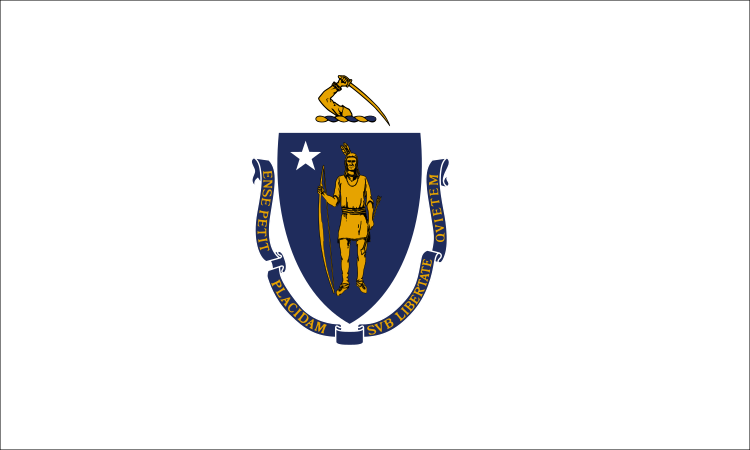
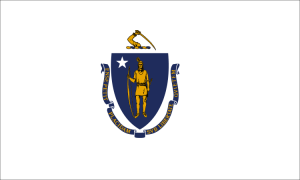
Current flag of Massachusetts
The current flag of Massachusetts is a typical American-style seal-on-a-bedsheet design, and as a result it is convoluted, unmemorable and uninspiring. In 2020, the flag came under scrutiny because the symbolism had links to colonial violence against indigenous Americans. In July 2020, the state senate voted unanimously to look into redesigning the state seal and flag. There is ongoing pressure with many towns endorsing a redesign of the flag. Therefore, here is my proposal.
My Proposals
I have two proposals:
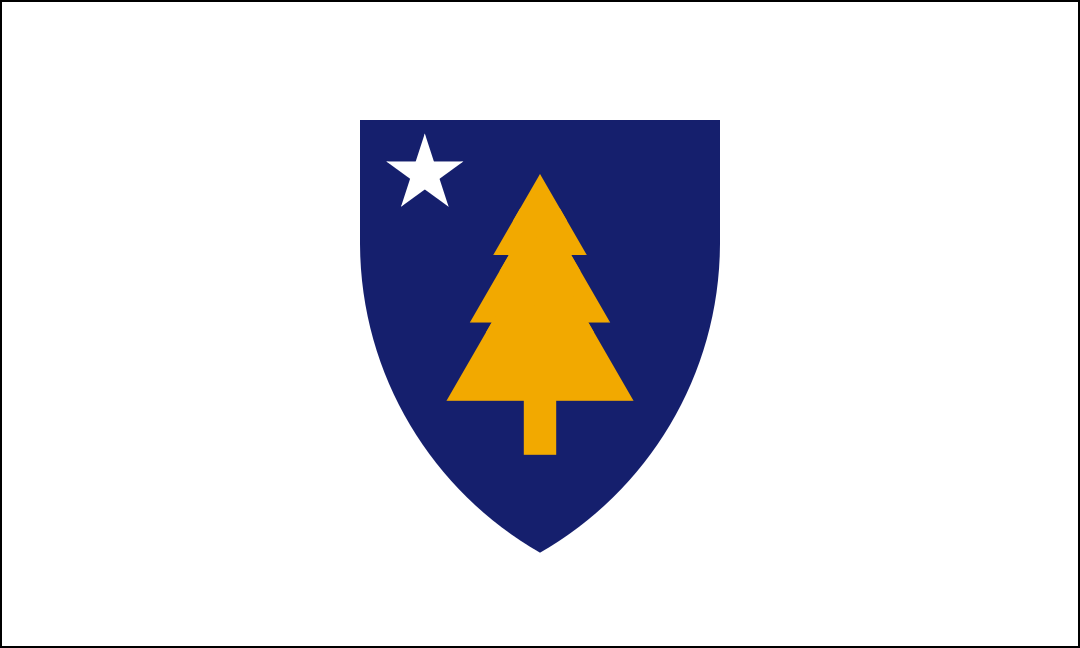
The shield concept is based on the current flag for local familiarity and recognition. It was most preferred by the NAVA members from Massachusetts.
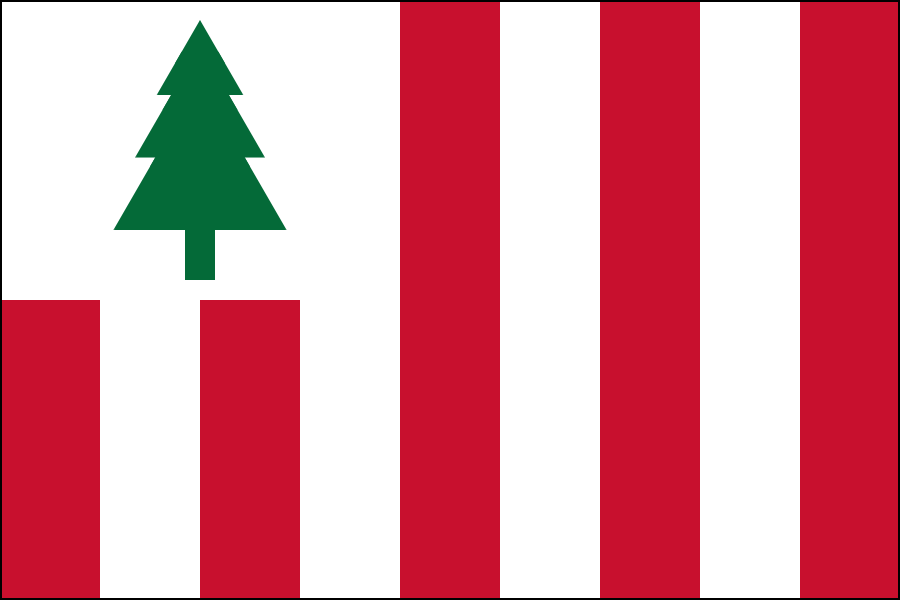
The Sons of Liberty concept is based on the flag of the Sons of Liberty, the group who instigated the Boston Tea Party. It was ranked number 1 in a public poll of all Massachusetts flag redesigns.
For a quick summary, the gallery of designs is below. For an extensive read, scroll down and expand each section to see more details for each flag, including high-resolution graphics, commentary, mock-ups, construction sheets and vector file downloads.
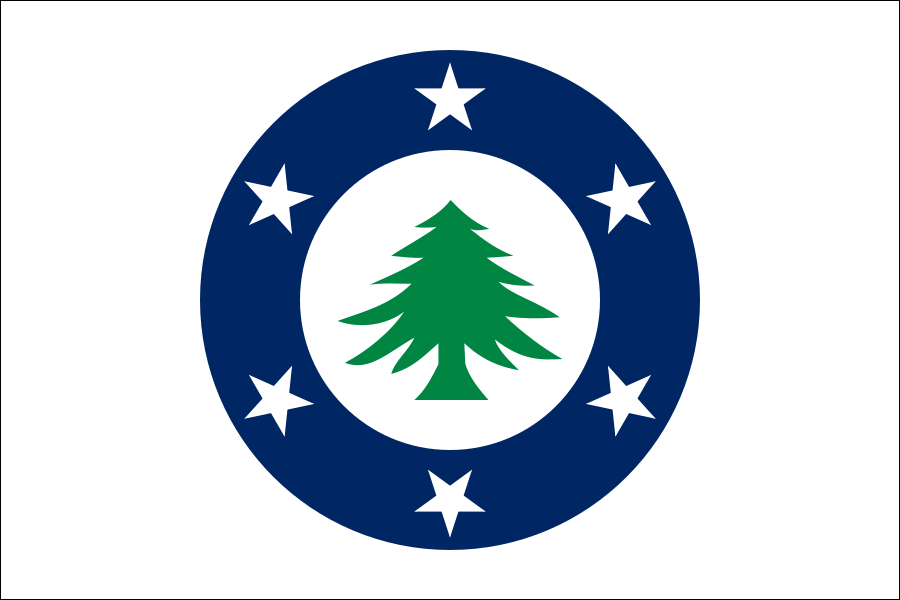
First off, this design is simple enough to be remembered by a child, yet distinctive enough to be identified at a distance. It is directly based on the current flag to aid recognition, establish continuity and promote acceptance among the public. The NAVA members from Massachusetts noted that their state’s residents are quite attached to the colours and shapes in the current design and would resonate with a similar flag.
This design’s central feature is the pine tree, a symbol of the New England region, shipbuilding, peace and brotherhood. This symbol has been in use for hundreds of years by indigenous people (featured on the Hiawatha Belt), English colonists (featured on coinage) and independent Americans (featured on flags and coinage).
The blue shield and white star are carried over from the current flag. The shield represents the long history of the state. The star represents Massachusetts’ status as a US state by reflecting the stars on the American national flag.
Gold represents prosperity. White represents peace, the coastline and snow. Blue represents the sea, maritime history, the official nickname “The Bay State” and the Blue Hills, after which the state is indirectly named. The scheme has been retained from the current flag.
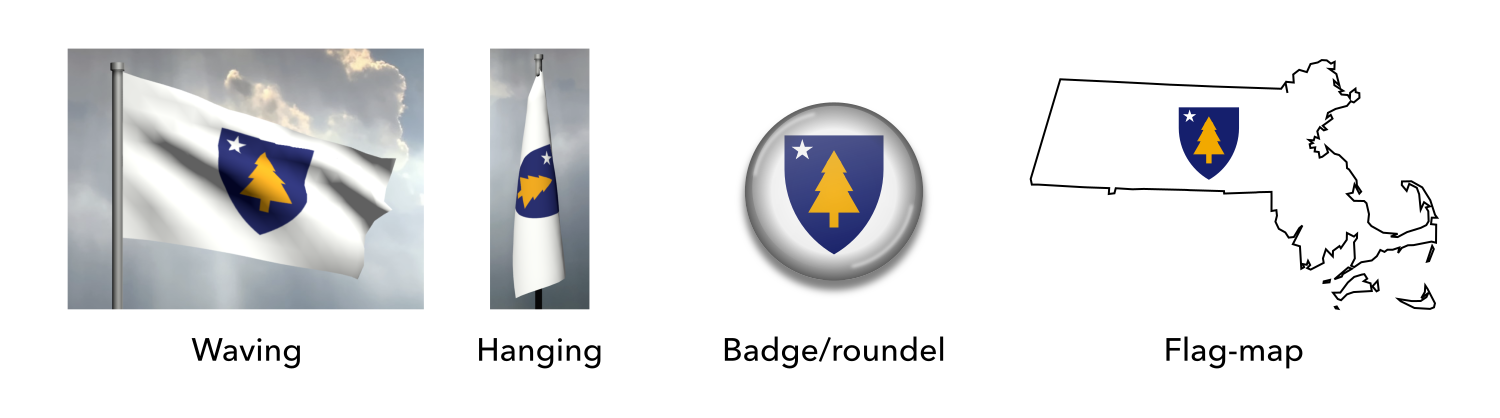
Mock-ups
Mock-ups of the proposed flag of Massachusetts (shield concept)
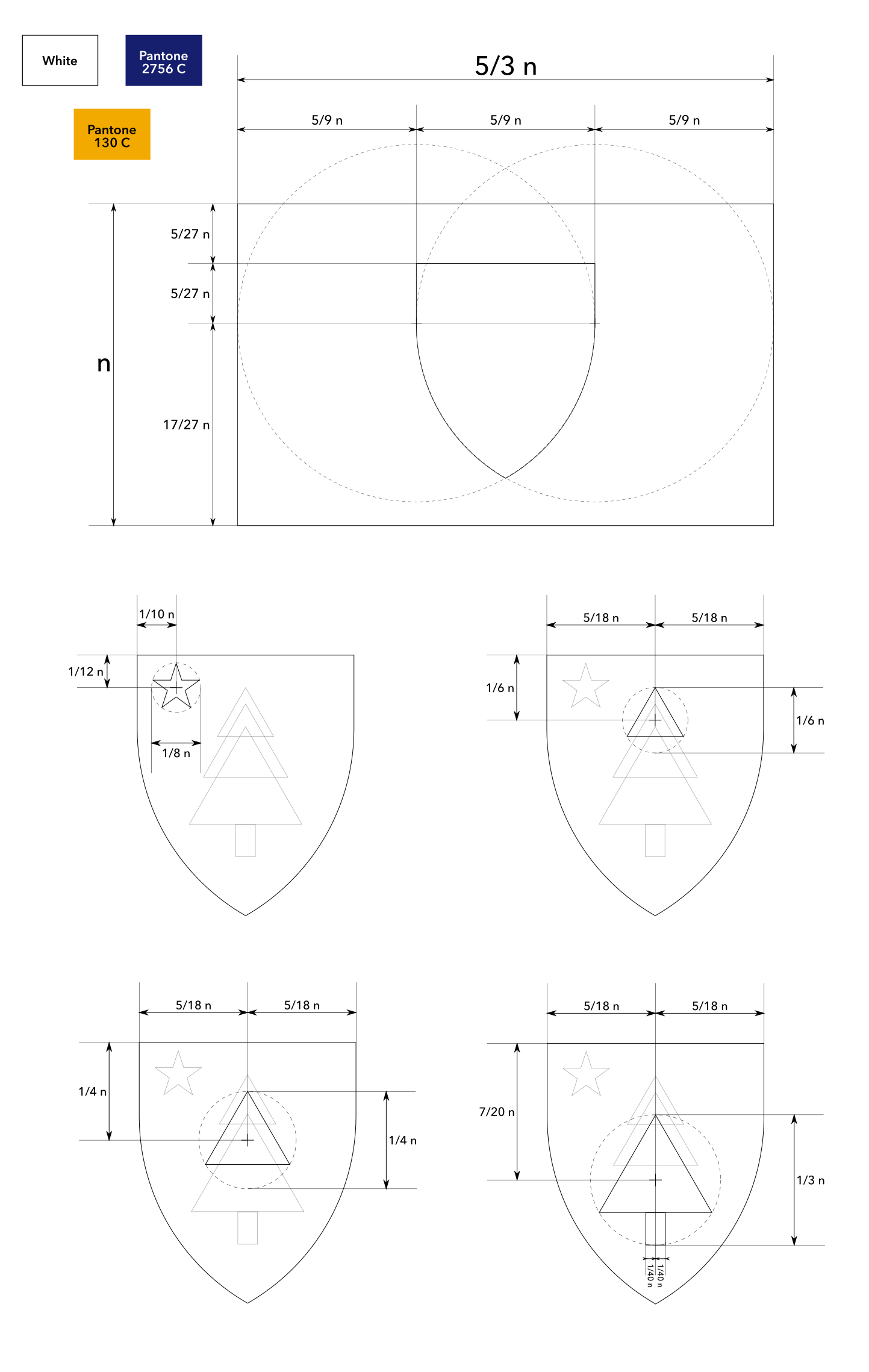
Construction sheet (multi-part)
Construction sheet of the proposed flag of Massachusetts (shield concept)
Proposed flag of Massachusetts (Sons of Liberty concept)
Explanation
First off, this design is simple enough to be remembered by a child, yet distinctive enough to be identified at a distance. It is based on the flag of the Sons of Liberty, the group who instigated the Boston Tea Party, to represent the rich history and impact of the state.
This design also features the pine tree, a symbol of the New England region, shipbuilding, peace and brotherhood. This symbol has been in use for hundreds of years by indigenous people (featured on the Hiawatha Belt), English colonists (featured on coinage) and independent Americans (featured on flags and coinage).
Red represents passion and sacrifice. White represents peace, the coastline and snow. Green represents the forests.
Commentary
This design was ranked number 1 in a public poll of all Massachusetts flag redesigns (poll conducted by the U.S. State Flags Facebook group).
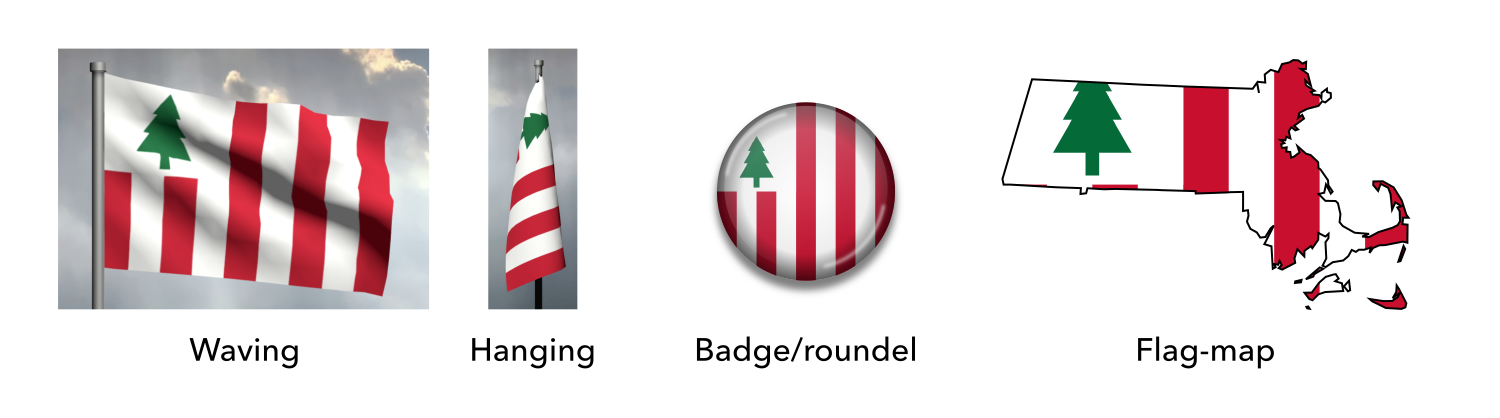
Mock-ups
Mock-ups of the proposed flag of Massachusetts (Sons of Liberty concept)
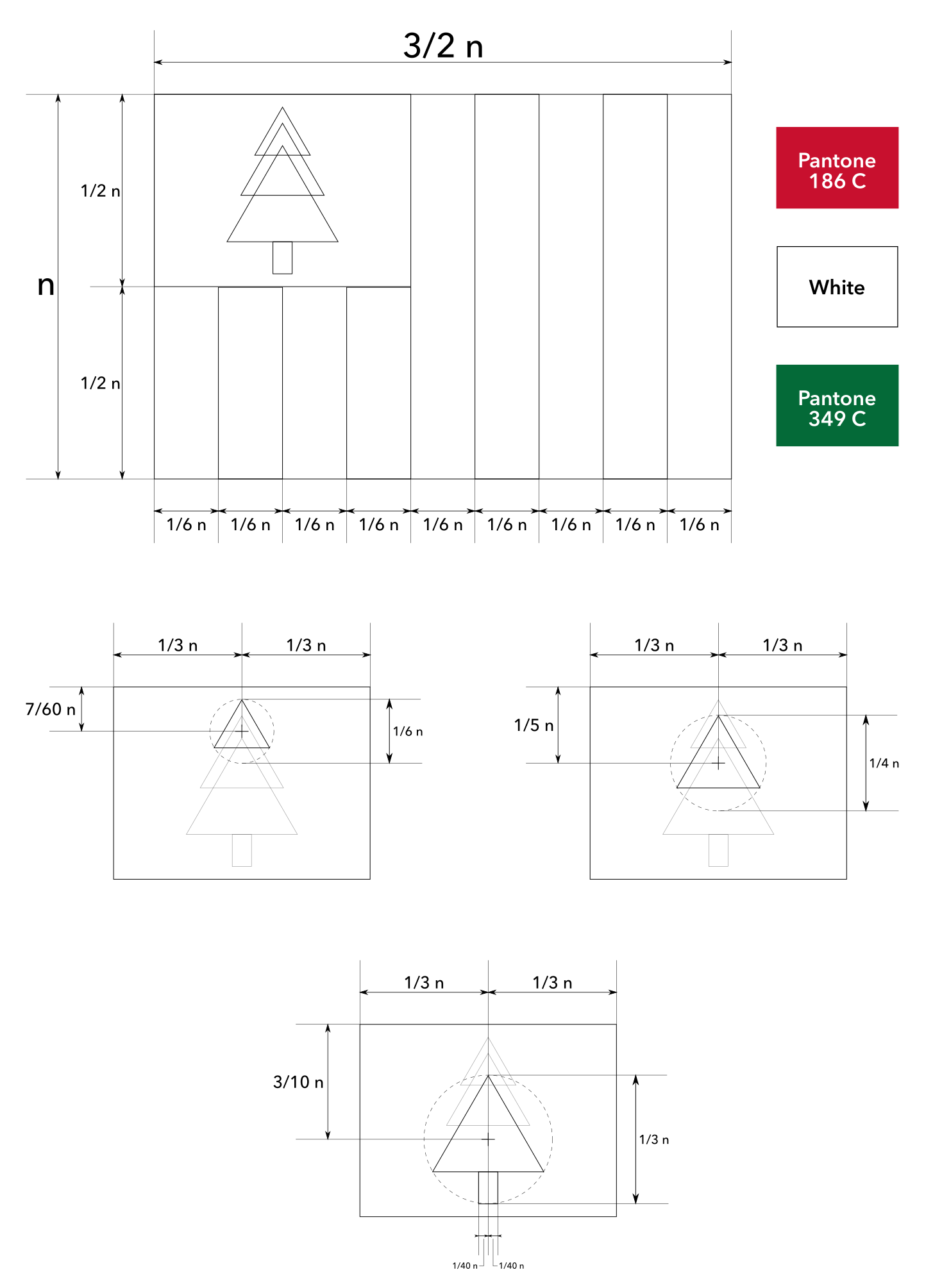
Construction sheet (multi-part)
Construction sheet of the proposed flag of Massachusetts (Sons of Liberty concept)
Thanks to the members from Massachusetts for their valuable input, Joe Gorman for organising the meetings, and everyone else who participated in discussions. Thanks also to all the fans who encouraged the submission of these flags to the state commission.
I previously made a proposed flag of Utah in 2009 but I wanted to revisit this with my new skills. These new designs were created in early 2021 with consultation with NAVA members as part of their Design Gauntlet. Thanks to everyone who gave feedback!
Updates
2022-09-26: My designs 2b and 2c were finalists for Utah’s official state design effort!
I am proud to be a finalist for the flag of Long Beach, California! The city council is busy dealing with Covid so the flag project has been put on hold for now. I’ll update this post if there is any news.
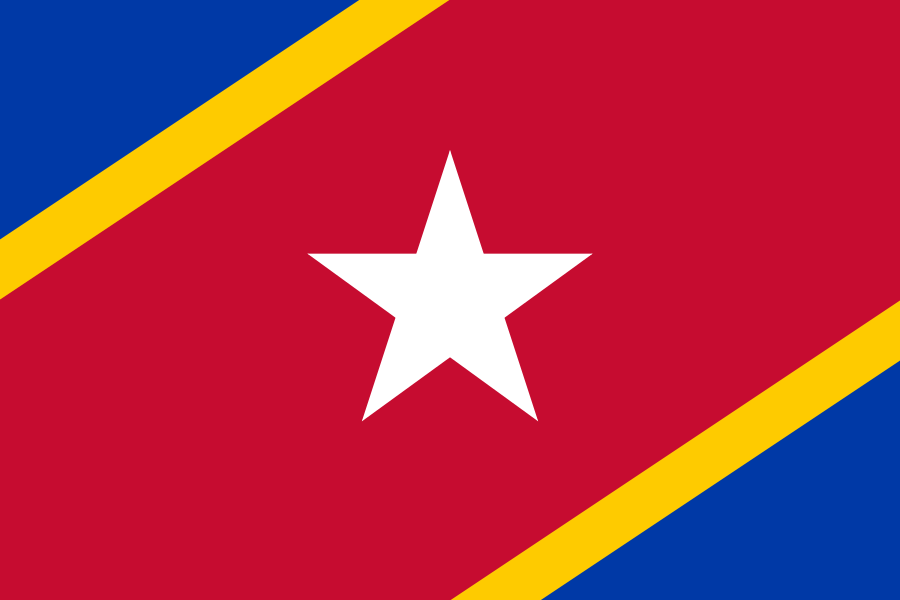
I was proud to be a finalist for the official flag of Galveston, Texas! Thanks to everyone who supported and voted for my design.
On Reddit, this design received over 8100 upvotes, nine awards and near unanimous praise from other vexillologists. Locals said it felt like a festive, beach-themed version of the Texan flag – exactly what I was going for. We all want the best for Galveston!
Proposed flag of Galveston, Texas
Here is my proposal for the flag of Galveston, Texas. It is simple enough to be remembered by a child but distinctive enough to be recognised at a distance.
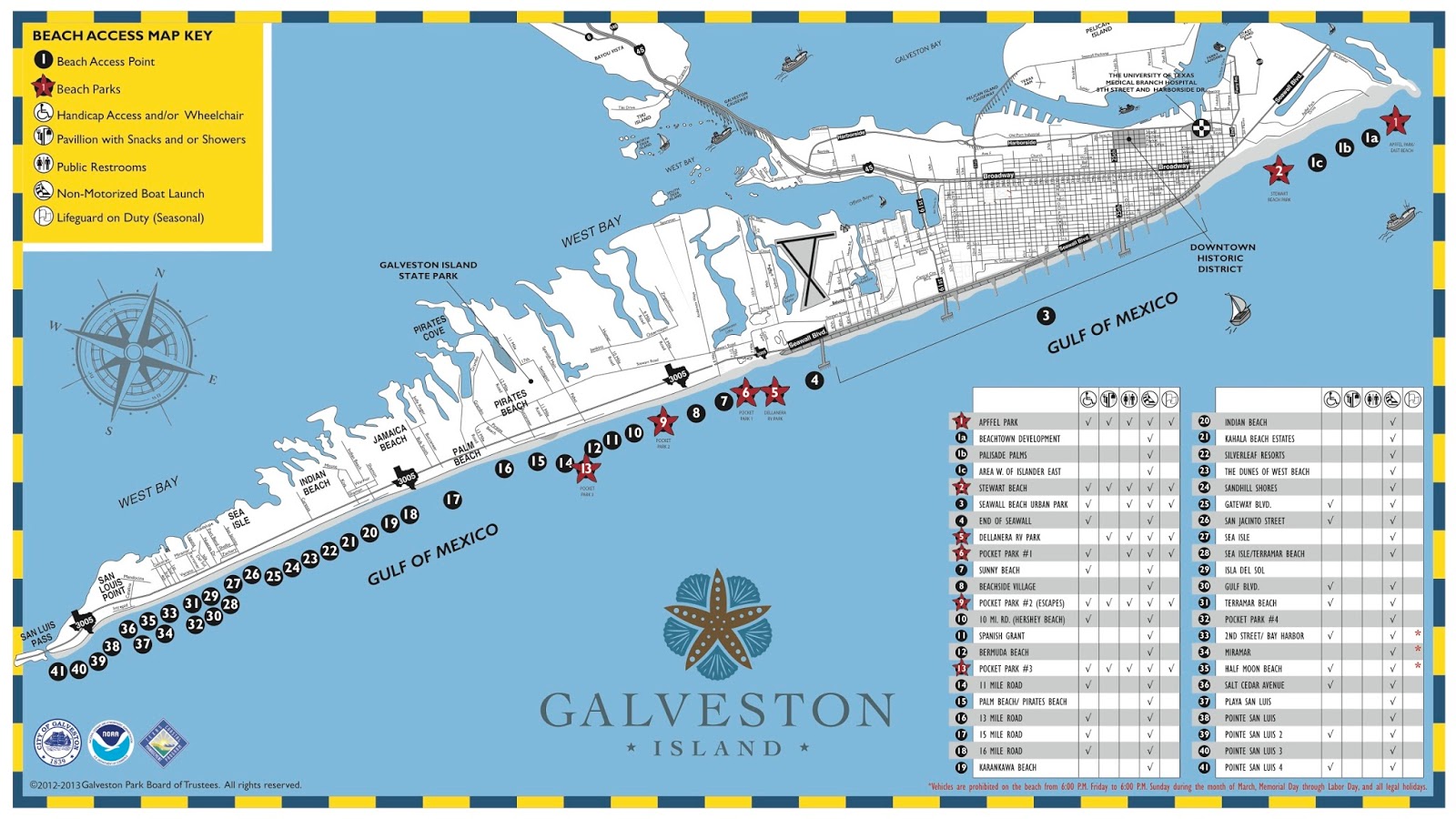
The overall layout represents the geography of Galveston, a diagonal island. The two blue sections represent the ocean and shipping industry as Galveston was one of America’s biggest ports. The two golden stripes represent the beaches that attract many visitors. One shore faces the mainland and the other faces the wider world, representing how the port acts as a gateway to America. The red represents the life and energy of Galveston’s people. The star represents the pride of Galveston as it punches above its weight.
Here is a map of the island of Galveston to understand what I was going for with the layout:
Map of Galveston, Texas showing the diagonal island geography
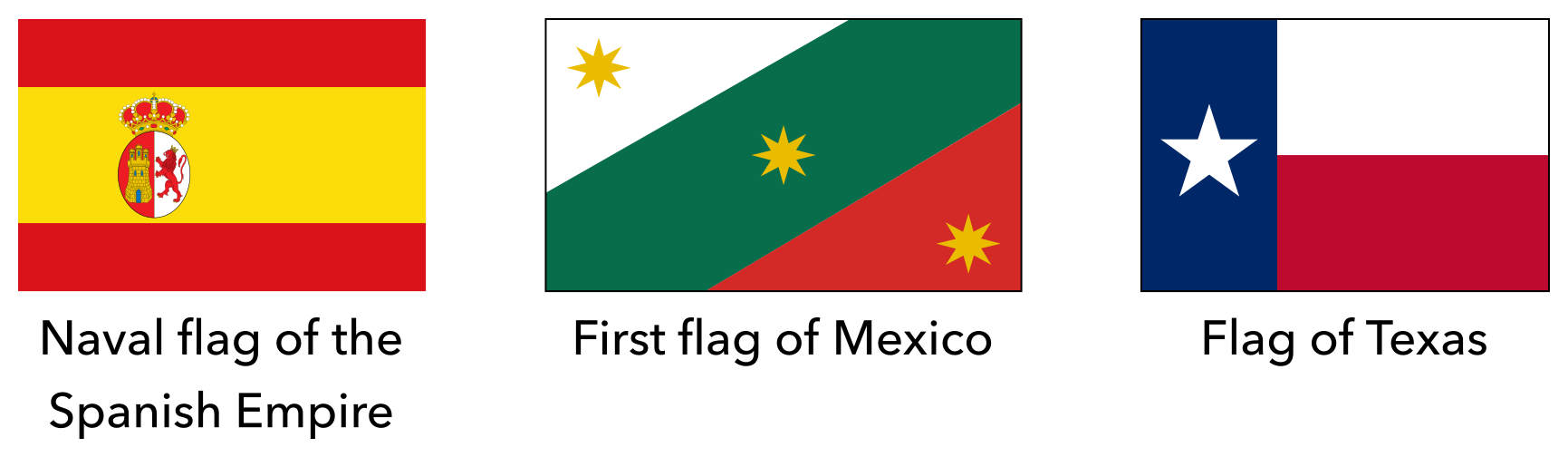
The flag also references the history of Galveston. Red and gold are borrowed from the naval flag of the Spanish Empire. The diagonal layout is borrowed from the first flag of Mexico. The red, white, blue and star are borrowed from the flags of Texas and America.
Historical flags of Galveston, Texas
Construction sheet of the proposed flag of Galveston, Texas
The current situation / Η τρέχουσα κατάσταση / Mevcut durum
Proposed flag of Cyprus from the 2004 Annan Plan / Προτεινόμενη σημαία της Κύπρου από το Σχέδιο Ανάν του 2004 / 2004 Annan Planı’ndan önerilen Kıbrıs bayrağı
The island of Cyprus is split between Northern Cyprus and the Republic of Cyprus as a result of an ongoing dispute. There are constant talks of reuniting the island and this scenario would require a new flag. In 2004, the United Nations sponsored the “Annan Plan” for reunification which failed when put to a referendum. This scheme had a proposed flag design for United Cyprus but there are several problems with this flag. Firstly, it is too plain and uninspiring. Secondly, it uses blue all the way on one side to represent Greeks and red all the way on the other side to represent Turks, which emphasises division and separation. It may be true in real life that these populations are divided, but a flag representing unity should be optimistic and remind people of harmony rather than conflict. Thirdly, the layout puts one population on top of the other which could suggest a hierarchy to some. Therefore, here is my proposal.
Το νησί της Κύπρου χωρίζεται μεταξύ της Βόρειας Κύπρου και της Κυπριακής Δημοκρατίας ως αποτέλεσμα μιας συνεχιζόμενης διαμάχης. Υπάρχουν συνεχείς συνομιλίες για την επανένωση του νησιού και αυτό το σενάριο θα απαιτούσε νέα σημαία. Το 2004, τα Ηνωμένα Έθνη χρηματοδότησαν το «Σχέδιο Ανάν» για επανένωση που απέτυχε όταν τέθηκε σε δημοψήφισμα. Αυτό το σχέδιο είχε έναν προτεινόμενο σχεδιασμό σημαίας για την United Cyprus, αλλά υπάρχουν πολλά προβλήματα με αυτήν τη σημαία. Πρώτον, είναι πολύ απλό και δεν εμπνέει. Δεύτερον, χρησιμοποιεί το μπλε από τη μια πλευρά για να εκπροσωπήσει τους Έλληνες και το κόκκινο από την άλλη πλευρά για να εκπροσωπήσει τους Τούρκους, το οποίο δίνει έμφαση στη διαίρεση και τον χωρισμό. Μπορεί να ισχύει στην πραγματική ζωή ότι αυτοί οι πληθυσμοί είναι χωρισμένοι, αλλά μια σημαία που αντιπροσωπεύει την ενότητα πρέπει να είναι αισιόδοξη και να υπενθυμίζει στους ανθρώπους την αρμονία και όχι τις συγκρούσεις. Τρίτον, η διάταξη βάζει έναν πληθυσμό πάνω από τον άλλο, ο οποίος θα μπορούσε να προτείνει κάποια ιεραρχία σε ορισμένους. Επομένως, εδώ είναι η πρότασή μου.
Kıbrıs adası, devam eden bir anlaşmazlık nedeniyle Kuzey Kıbrıs ile Kıbrıs Cumhuriyeti arasında bölünmüştür. Adayı yeniden birleştirme konusunda sürekli görüşmeler yapılıyor ve bu senaryo yeni bir bayrak gerektiriyor. 2004’te Birleşmiş Milletler, referanduma sunulduğunda başarısız olan yeniden birleşme için “Annan Planı” na sponsor oldu. Bu şema Birleşik Kıbrıs için önerilen bir bayrak tasarımına sahipti, ancak bu bayrakla ilgili birkaç sorun var. Çok sade ve sönük. Bir yanda Yunanlıları temsil etmek için mavi, diğer yanda Türkleri temsil etmek için kırmızıyı kullanır, bu da bölünmeyi ve ayrılığı vurgular. Gerçek hayatta bu nüfusların bölündüğü doğru olabilir, ancak birliği temsil eden bir bayrak iyimser olmalı ve insanlara çatışmadan ziyade uyumu hatırlatmalıdır. Düzen, bazılarına bir hiyerarşi önerebilecek bir popülasyonu diğerinin üzerine koyar. Bu nedenle, işte benim teklifim.
Note: My choice of designs do not reflect my political opinions.
Σημείωση: Η επιλογή των σχεδίων μου δεν αντικατοπτρίζει τις πολιτικές μου απόψεις.
Not: Tasarım tercihlerim politik görüşlerimi yansıtmıyor.
My proposal / Η πρότασή μου / Benim önerim
Proposed flag of United Cyprus / Προτεινόμενη σημαία της Ενωμένης Κύπρου / Birleşik Kıbrıs’ın Önerilen Bayrağı
I gave this presentation to NAVA (North American Vexillological Association) about flag design and the New Zealand flag referendum. It is about a data mining analysis of NZ flag design comments that revealed the previously hidden factors (the “six deal-breakers”) behind whether the public accepts or rejects flag designs. On this page, you can find a YouTube video version and a written article version. I’ve delivered this presentation on two occasions:
In December 2020, I presented at the Interest Area Meeting where it got a highly positive reception.
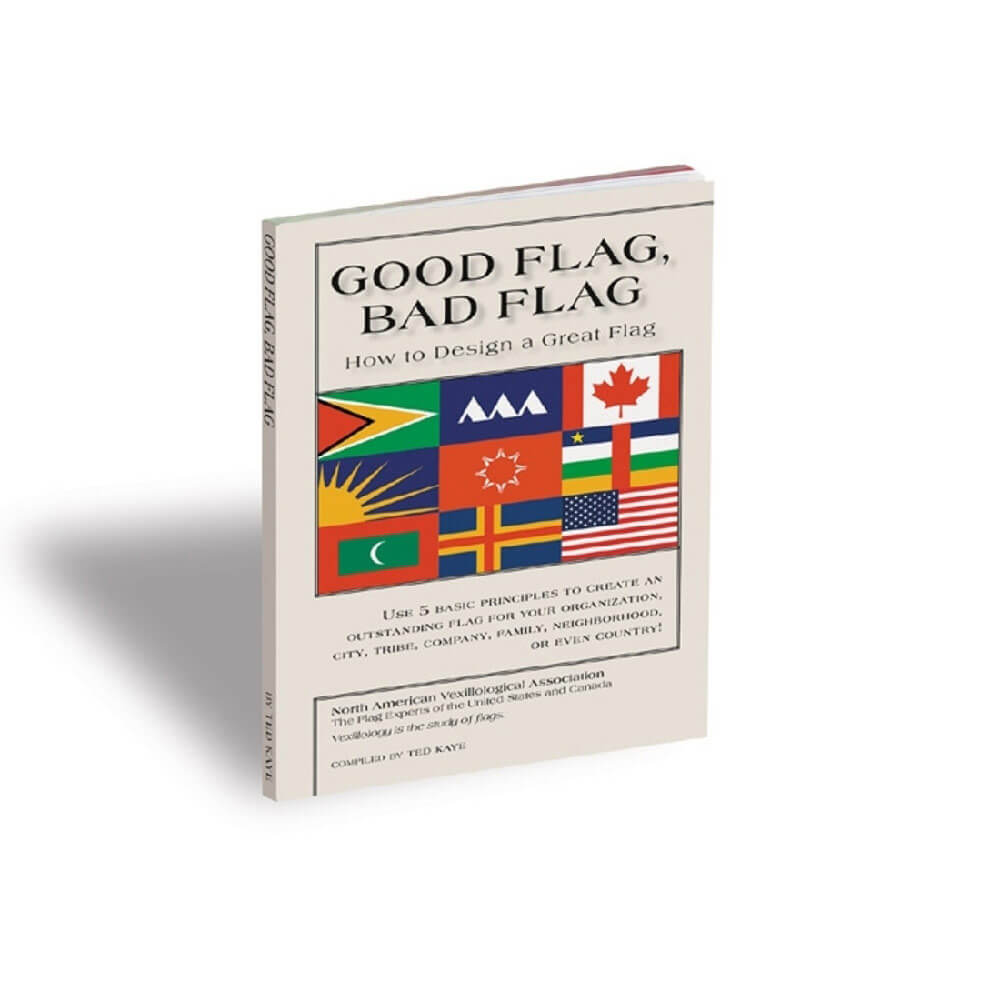
As NAVA members, a lot of us are involved in flag design. We’re either designing flags or we’re evaluating the flag designs of others, so it’s vital for us to know about good flag design. I’ve been passionate about flag design for years and I served on the judging panel for the official flag of NAVA 55 itself. You probably already know about the five principles of good flag design in NAVA’s world-famous booklet Good Flag, Bad Flag: Keep it simple, use meaningful symbolism, use 2-3 basic colours, no lettering or seals and be distinctive or related. This article, based on an Interest Area Meeting presentation I gave in December 2020, goes beyond these basic principles and discusses six little-known deal-breakers of bad flag design.
Methodology
First, let me explain where these deal-breakers come from. Back in 2015, New Zealand had an official competition to redesign its flag and there were about ten thousand designs submitted, each with its own set of public commentary. I and another vexillologist (James Fitzmaurice from the United Kingdom) did an exhaustive survey of the public commentary to help us understand the common factors that were positively and negatively associated with public acceptance. We used a Java web scraper to extract the comments on the government’s website where people could upload design suggestions. We also trawled through all the year’s flag-related articles, social media posts and online comment sections from New Zealand Herald (the nation’s largest newspaper), One News, newshub.co.nz and stuff.co.nz (a current events and opinion site). The first page of search engine results for any informal forums and websites discussing, ranking or voting on design proposals provided our final source of commentary. We treated any opinion as significant if it was topical, clear, specific, sincere and expressed by at least three members of the public independently. In total there were thousands of useful messages but there were many duplicates where many people frequently expressed similar attitudes. These salient quotes were grouped into common and consistent themes which were summarised in Google Docs.
What did we find from the thematic analysis? The majority of useful comments regarded political considerations or particular design elements like colours, layouts and symbols (outside the scope of this article). Some of them just confirmed the basic principles that we already know from Good Flag, Bad Flag. Other comments revealed some lesser known principles that weren’t commonly acknowledged before. These principles are the six deal-breakers of bad flag design. I explained where these came from to point out that these are not just my opinion, these essentially came from the sum of an entire nation’s vexillological commentary across a whole year, so it’s completely in touch with public opinion.
In the end, New Zealand’s official competition and referendum failed. This is partly because the judges were not vexillologists, they were not aware of these deal-breakers and the finalist designs all contained these significant flaws so nobody was satisfied.
The six deal-breakers
Deal-breaker 1: Looks like a logo, not a flag
This was by far the most common criticism. There are other variations too. “Looks like a modern art piece, not a flag”. “Looks like corporate branding, not a flag”. “Looks like a website graphic, not a flag”. The point is that doesn’t look like a flag. The public has a stylistic expectation of what a flag looks like, which is a simple, timeless, classic style that fits in well with other flags if you imagine it actually flying on a flagpole and not just a flat image. Sometimes they will compare designs to specific logos but they will reject anything which generally seems ephemeral, flashy and trendy.
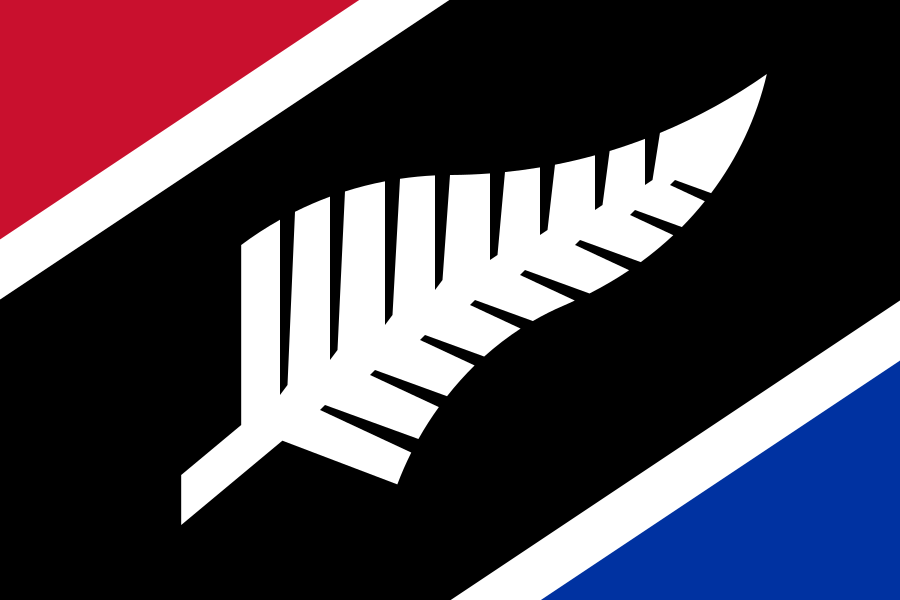
Kyle Lockwood’s proposal
This example is actually the main official proposal that went head to head against the national flag and lost. The main criticism is that it looks too much like slick contemporary branding made by a marketing department, rather than a flag that follows classic conventions and standards. In vexillological terms, I think the main issue is that the division of the field is usually a vertical, horizontal or diagonal stripe whereas this design uses the silver fern as both a massive charge and a division of the field at the same time which breaks this unspoken rule. Whatever the reason, the public clearly figured that this looks really off-putting if you imagine it flying on a pole as an actual flag and not just a flat image.
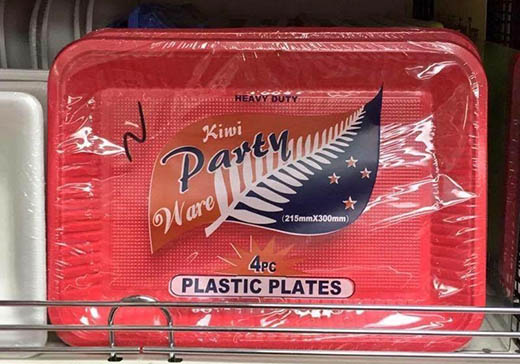
Kiwi Party Plates
And of course there was the comparison to Kiwi Party Plates.
Deal-breaker 2: Looks like a souvenir, not a flag
This one is similar to the first deal-breaker. Designs can evoke a feeling of cringe and contempt if they look too offbeat, informal or “un-flag-like”. Every designer has to keep in mind that even when symbols and colours are meaningful to a culture, they exist on a spectrum from formal to informal. Relying too much on the informal iconography makes the design seem cheesy or just for tourists.
Alofi Kanter’s proposal
This example was another official finalist that we got to vote on and it’s literally just the logo of our tourism department put into a rectangle.
Tourism New Zealand logo
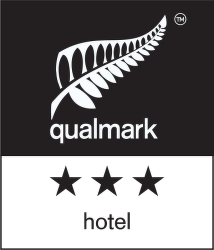
Qualmark logo
This design is also used on the Qualmark logo, which is the tourism department’s official certification scheme so this design is very strongly associated with tourism and souvenirs, which makes the flag look really tacky even if the symbolism is relevant.
Deal-breaker 3: Mystery symbolism
The famous film critic Roger Ebert once declared, “If you have to ask what it symbolizes, it didn’t.” He was talking about film-making but it applies to lots of other areas as well. It’s a problem when designers think of flags as if they’re conceptual art projects and try to invent imagery with lofty ideals which require explanations. It’s a problem even if the explanation has relevance to the location. It just doesn’t work that way because the designer doesn’t have the luxury of explaining the symbolism to every single person and they shouldn’t need it either. Instead of conceptual art, flag design is more like advertising, which is forced to use the shared visual language already existing in a society to intuitively resonate with the audience at first glance. It’s not enough for symbolism to be meaningful, it also has to be recognisable.
Aaron Dustin’s proposal
This design was supported by a vocal minority in the public but it bombed when presented in the referendum. Everyone agreed that while it’s simple and has good symbolism, it only makes sense after it’s explained. If you present it to people before you explain it, there is just no resonance. At first glance, the symbolism is actually as unrecognisable to us New Zealanders as it is to you Americans, so if you’re looking at this and you’re not sure what it’s supposed to mean, that’s exactly how we felt as well.
Deal-breaker 4: Designing for yourself
Some designers act like a flag is a personal art project and they don’t need the result to be in touch with general society. They express only their own preferences, appeal to only one sector of society, or just assume that everyone will feel the same way as them. Different themes, colours and symbols appeal to different people so it’s a mistake to focus on only on theme and exclude all other preferences, which makes the symbolism too narrow and is essentially self-sabotage.
Friedensreich Hundertwasser’s proposal
This example contains green, inspired by nature, and the koru, a symbol from the indigenous Māori culture. The problem is that this appeals only to those who are both quite strong nature lovers and those who like Māori culture, while ignoring more common personas like those who prefer more familiar symbolism from the current flag or the silver fern. In real life, I’ve only ever seen this flag supported by the hippie types while everyone else thinks it just looks like a hippie’s personal art project.
Deal-breaker 5: Too radical
Some designers wipe the slate clean and deliberately aim for a revolutionary design with no familiar or established symbolism. They say “well, if we’re designing a new flag, then we’re designing a new flag, no need for weak-minded half-measures or sitting on the fence”. They don’t value familiarity and reject all previous flags and symbolism as irrelevant. They aim to prescribe a group’s identity rather than express it, which is the exact opposite of how a flag should work. Flags should have a wide appeal to the society it represents, so attempting something entirely radical excludes the people who prefer the familiar imagery that is already embedded in their collective unconscious, and this is also self-sabotage.
Matthew Clare’s proposal
This example depicts matariki, which is a constellation that is important in the Māori culture. The problem is that the idea of matariki as a visual symbol is extremely obscure even amongst the Māori. I’ve personally never seen it on any logo or graphic, and I would say over ninety-five percent of the population would never even be able to recognise or draw this constellation if prompted. While the constellation itself obviously exists, the idea of using it as a national symbol does not exist, has no precedent and is essentially a complete invention that exists only in flag concepts like this, especially when all established visual symbolism in the current flag get thrown out the window in the process.
Deal-breaker 6: It’s boring, but it works
This is a really little-known deal-breaker because most guides to good flag design emphasise simplicity. While this is a key goal to aim for, a design that is too simple may alienate parts of the public who are expecting something more interesting. Flags should resonate with the public and that means they should be eye-catching, inspirational and memorable to everyone. A flag that feels too dull or weak to large parts of the public may become forgettable and lose support.
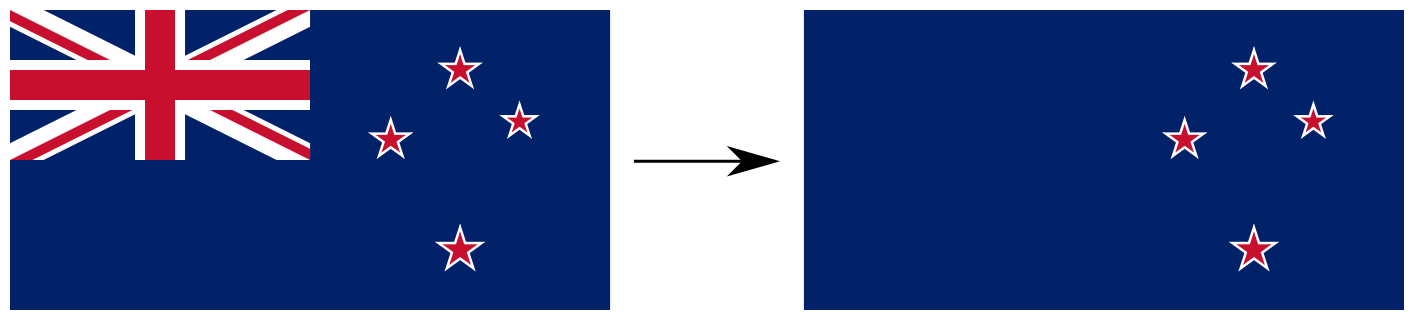
This example was proposed by a former prime minister. She said that if we want a flag that looks less colonial and more independent, we should just remove the Union Jack. The problem is, the result contains just the stars and a lot of empty space. While there are beloved flag designs that are just as plain and empty as this, many New Zealanders were expecting something more. They criticised this design as a super boring, watered-down compromise that nobody would ever feel proud to fly.
Redesigning the American flag badly (Illustrative examples)
I’ve illustrated the six deal-breakers with examples from the original context of New Zealand. Just for you all, I’ve artificially redesigned the American flag badly to illustrate these in a more familiar American context.
Illustrative example 1
Illustrative example 1
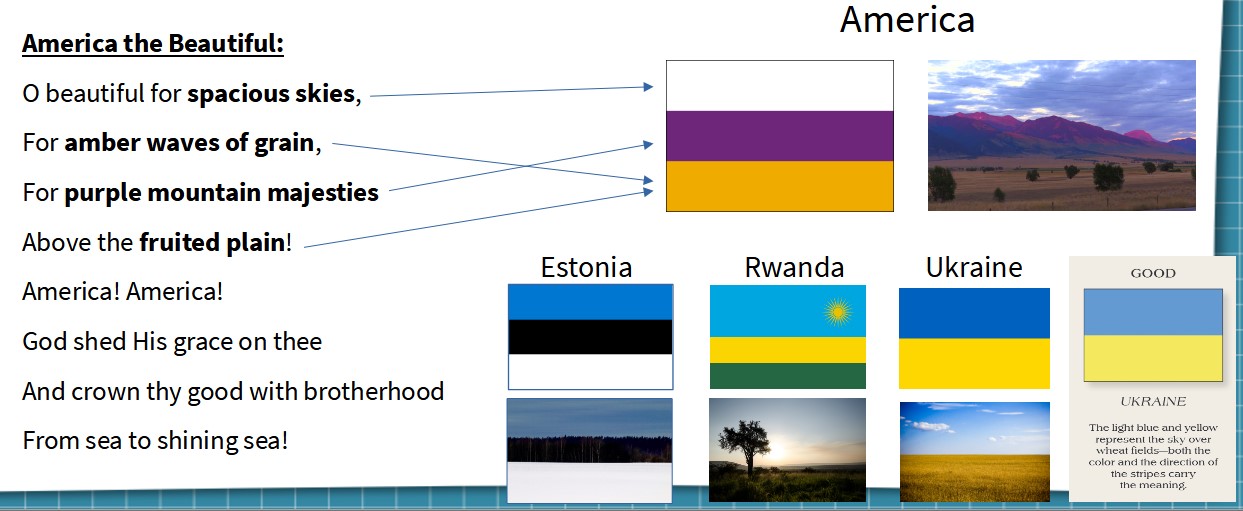
So here’s the first example, and your thoughts are probably, “what am I looking at and what does this have to do with America”?
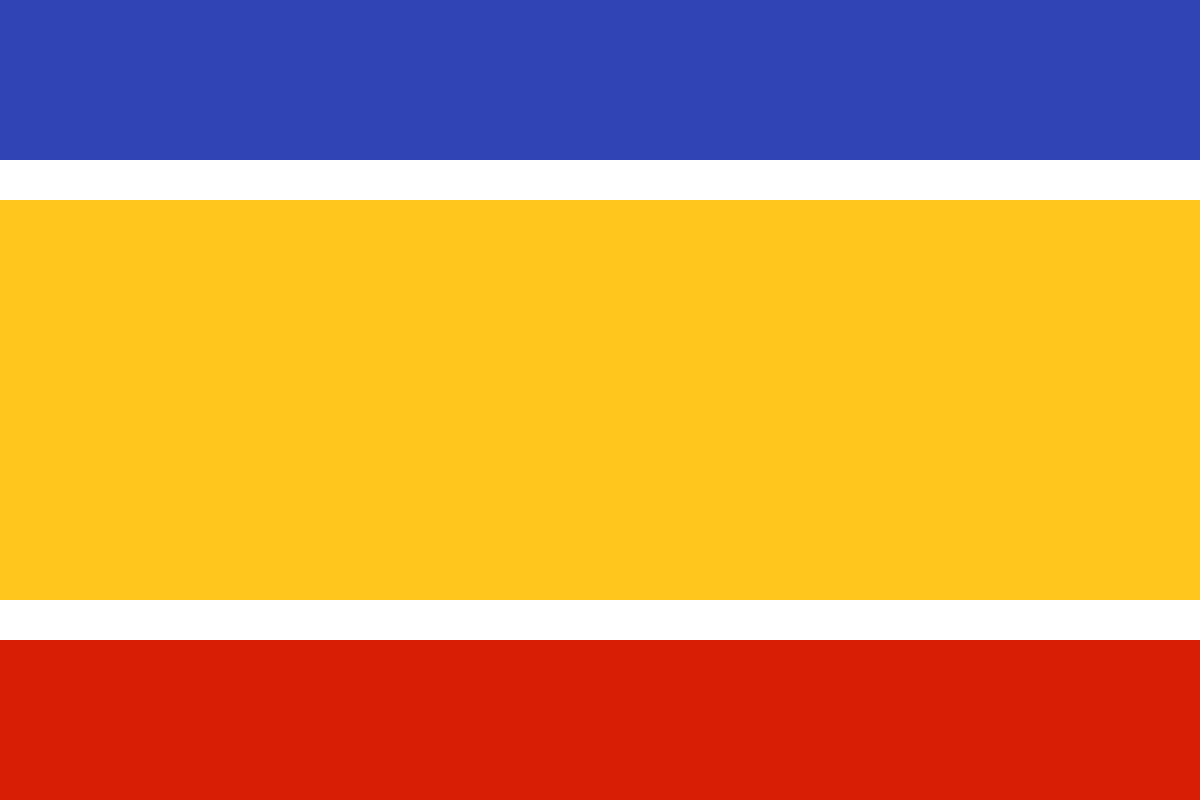
Well, this design is supposed to be based on the unofficial anthem America the Beautiful which describes some of its landscape – spacious skies, amber waves of grain, purple mountain majesties and fruited plain. It’s inspired by some other striped flags that represent the country’s landscape, like Estonia, Rwanda and Ukraine, which is actually featured as an example of a good flag in the Good Flag, Bad Flag guide for precisely this reason: “The light blue and yellow represent the sky over wheat fields – both the color and the direction of the stripes carry the meaning.” This is not to criticise Good Flag, Bad Flag, but rather to point out that a flag could be well designed from a technical point of view, but it could still be rejected by the public for other reasons.
Superficially, this design satisfies the five principles of good flag design:
✓ It’s simple.
✓ The symbolism has relevant meaning.
✓ It has only a few colours.
✓ It has no lettering or seals.
✓ The colour scheme makes it distinctive.
Technically speaking, there’s nothing wrong with the way it’s constructed. Yet this clearly would never be accepted by society, and we can look to the deal-breakers to explain why.
❌ Mystery symbolism —Until I explain what this flag represents, it’s totally incomprehensible and nobody would connect it to America.
❌ Designing for yourself – I designed this by choosing one theme and deliberately ignoring what anyone else thinks, as if a flag is a personal art project.
❌ Too radical —It contains absolutely no familiar or established visual iconography.
❌ It’s boring, but it works – Tricolour designs are too simple by today’s standards.
Illustrative example 2
Illustrative example 2
Here’s the second example I made which is more straightforward. The symbolism is recognisable, but it also would never be accepted, and it demonstrates the other two deal-breakers:
❌ Looks like a logo, not a flag
❌ Looks like a souvenir, not a flag
Which are pretty self-explanatory in this case.
Just a side note, I designed this to be the direct American equivalent of the official New Zealand finalist flag which should give you a good idea of why it was poorly received by so many people and why the referendum failed.
Avoiding rejection and embarrassment: How to avoid the deal-breakers
Now that I’ve explained and illustrated the deal-breakers, I’ll explain how to avoid them. The main thing is to recognise how important they are – these are “deal-breakers” and not just “traps” or “pitfalls”. The public comments didn’t just treat these as minor problems, they completely dismissed designs with the deal-breakers.
You’ll want to avoid the deal-breakers if you’re designing a flag to make sure the design resonates with the public, or if you’re evaluating flags for a competition, to avoid any embarrassment if the public rejects the choices because of them. You can prevent them by aiming for the opposite and asking some rhetorical questions.
For “looks like a logo, not a flag” and “looks like a souvenir, not a flag”, try aiming for the opposite, “actually looks like a flag”. You can ask the question, “does it look good flying on a pole?” Most of us see flags as flat images on paper or screens, so imagining it actually flying helps to decide if it looks good as a flag and not just a flat graphic. Another question is, “if someone claimed that this flag was not a recent invention and was actually rediscovered in an archive from fifty years ago, would you believe it?” If the answer is no, that might be a warning sign that the style is too contemporary and flashy. If the answer is yes, it’s a good sign that it has a classic and timeless look.
For “mystery symbolism” and “too radical”, try aiming for the opposite, “intuitive, recognisable and familiar”. You can ask the question, “would a randomly selected member of the public be able to identify what the design is and what it represents without any explanation or context?” Obviously it’s not always possible for everything in a flag to be understood at first glance, but if there’s nothing to latch onto or it’s clear that the average person wouldn’t be able to even identify that a design is supposed to be a flag for their location, that’s a warning sign that it’s not intuitive.
For “designing for yourself”, try aiming for the opposite, “wide appeal”. You can ask, “are there any preferences in the public that we’re ignoring?” This forces you to stop using the aesthetic part of your brain and start using the sympathy part. You can think of some typical personas in society and what each one prefers. Obviously, it won’t be possible to please everybody and you shouldn’t aim for that, but if you at least consider the other personas, you can detect if a design is too single-minded and has only narrow appeal.
For “it’s boring, but it works”, try aiming for the opposite, “memorable”. Go back to the scenario where you ask if a random member of the public could identify the design, then ask, “if you got back to that person 24 hours later and told them it was a secret memory test, would they recall the design?” If the answer is no, that’s a warning sign that the design is too simple and boring to be remembered. This question is not just hypothetical as secret memory tests can actually be used during evaluation of flag designs and I’ve done this myself. This may not be a scientific process but it can still give some useful and surprising results.
Counter-example: Blue Sky flag
Blue Sky flag
Blue Sky flag flying
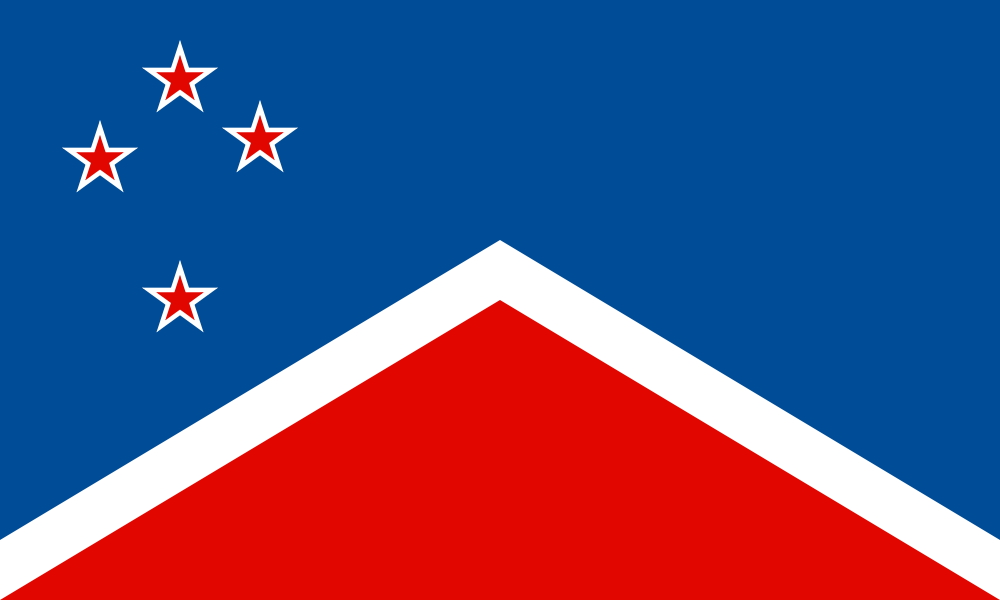
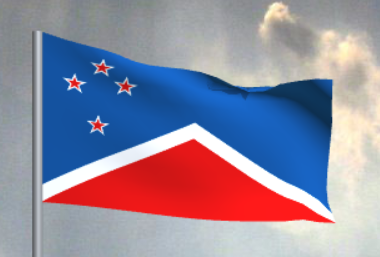
As a counter-example, James and I designed our own flag for New Zealand. Instead of designing a new flag for New Zealand, we aimed to design the new flag for New Zealand. We incorporated our analysis of public sentiment and aimed for the opposite of these deal-breakers, so we’re confident that this design passes all the tests that the other proposals failed and would have the highest chance of success.
✓ It satisfies NAVA’s five basic principles of good flag design but it goes well beyond these.
✓It actually looks like a flag because we stuck to timeless and classic flag conventions so it doesn’t feel like a logo or souvenir.
✓It’s intuitive, recognisable and familiar because it’s immediately obvious what it symbolises at first glance without explanation. The best symbolism is that which doesn’t need to be explained.
✓It has wide appeal because it’s designed to ensure the highest possible public resonance based on our other statistical evidence of what symbolism resonates with the public, what divides the public and what the different preferences are. For statistically inclined people out there, we used a multiple linear regression model to maximise expected approval.
✓It’s memorable because we actually did memory testing to evaluate our designs. This one stood out when people saw it and it stood out when they were secretly asked to recall it days later, so it strikes the perfect balance between simple and interesting.
Future work and questions
Reflecting on the analysis, there were some limitations and questions that suggest opportunities for future work.
Were the original data representative of society? Although we took efforts to be comprehensive, there is a chance that we missed unpublished attitudes.
Are there any other insights available from the comments? Unfortunately, we had limited capacity to keep the data, we were only interested in the final results and we never expected to revisit this again years later, so the original data would have to be scraped again.
Are certain deal-breakers more important than others? Some appeared more commonly than others in the commentary, especially the “looks like a logo” deal-breakers, but this might say more about the designs than the public’s attitudes.
Do these insights generalise across other societies? Anecdotal experience from other flag redesign efforts across the US and Britain suggest that these same themes are shared among other societies, but it would be good to confirm this empirically.
When is “next time”?
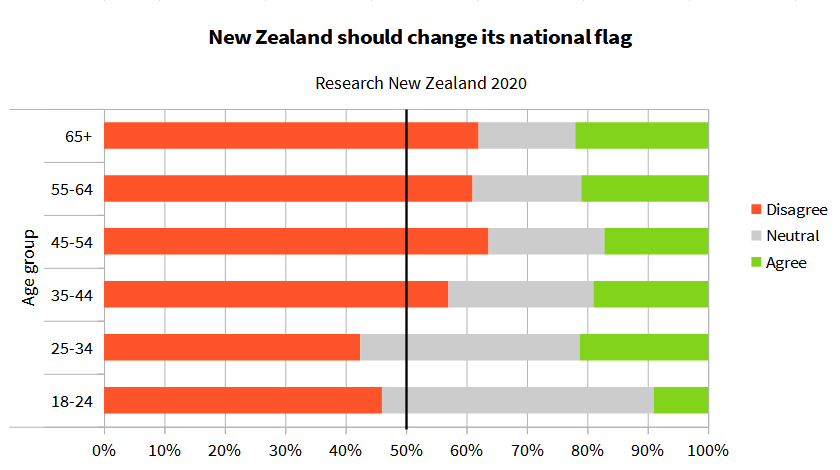
Redesigning a national flag is an exciting vexillological event, so many wondered if we’ll ever revisit this, and I’ll answer this with the latest poll from last year.
Credit: Annita Wood from Research NZ (personal communication)
In the first graph, public support for flag change remains low, but the grey area for neutral responses gets wider for each younger generation, so the voting population will gradually become less committed as time goes on.
The second graph shows that changing from a monarchy to a republic is more popular and is already feasible. If that happens, the flag would be revisited as they are seen as related questions.
A useful precedent is Australia’s republic referendum in the late 90s. It pushed public support for changing their flag to skyrocket from a low 36% to a majority 52%, even though the referendum was unsuccessful and didn’t concern the flag itself. It probably would have gone even higher if the referendum was successful and this dynamic would also apply to us.
Putting the evidence all together, the flag question probably won’t be revisited by itself, but it would piggyback off a republic change when that happens in the future.
Conclusion
In conclusion, comprehensive analysis of the public comments around the New Zealand flag competition revealed six deal-breakers that can make or break a flag design in the public consciousness. Even if a flag is technically a good design, the public will still reject it if it looks like a logo or souvenir, if the symbolism is not recognisable, if the symbolism has narrow appeal, if it doesn’t contain enough familiarity or if it’s just too boring. We should recognise the importance of these deal-breakers and prevent them by aiming for their polar opposites and detecting them when they arise. Ultimately, this is just the beginning. I hope this article will open up opportunities to investigate the “next level” of flag design beyond Good Flag, Bad Flag and to use qualitative research to gauge the public vexillological opinion in ways that would not have been possible before. More advanced techniques like data mining and sentiment analysis could be used to gain even more insights and further the field of vexillology.
Comments
After the Interest Area Meeting, there was some more questions and commentary from members about the silver fern, the American flag, the Laser Kiwi flag and comparing New Zealand’s flag change campaign to Australia’s. Secretary Ted Kaye mentioned that he recognised these deal-breakers from the dozens of American city flag design campaigns he has been involved with. He also talked about his experiences being interviewed as an expert during the New Zealand flag referendum. He mentioned the “bicycle race test”: When you are watching a bicycle race on TV and the participants are listed, the flag icons are tiny. Some flags like Japan and Canada instantly jump out in this list but New Zealand’s current flag takes some effort to distinguish.
Joe Gorman pitched in with this comparison: “Deal breaker #3 feels like it also applies to Halloween costumes: If they have to ask what you are dressed as, you have already lost.”
Here were the written comments from NAVA members about my presentation afterwards:
From Chris Sweet to Everyone: 07:52 AM
Excellent presentation – Should be published along with your script as a paper!
From Gary Flanders to Everyone: 07:53 AM
Excellent logic Brian, ‘Good on ya.’
From Tom Berryhill to Everyone: 07:53 AM
Great job!
From Ade DeRosier to Everyone: 07:53 AM
Thank you, nice job.
From Jon Meade to Everyone: 07:53 AM
Very good presentation! Thank you!
From Amber Atteberry to Everyone: 07:53 AM
Nice, thank you!
From Patrick Barritt to Everyone: 07:53 AM
Very interesting, thanks!
From John Andrews to Everyone: 07:53 AM
This was great. Good job, Brian!
From Jonathan Epstein to Everyone: 07:53 AM
Very interesting. Thanks!
From Graham Hodgson to Everyone: 07:53 AM
A great and very well thought out presentation!
From Randy Sabbagh to Everyone: 07:53 AM
excellent presentation!
From Phil Allen to Everyone: 07:53 AM
Great exposition! ..
From Steve Wheatley to Everyone: 07:53 AM
Thank you, Brian. A very cogent and thoughtful presentation.
From Raghavendra to Me: (Privately) 07:53 AM
Very Nice presentation
From Stan Contrades to Everyone: 07:54 AM
Agreed! Submit a copy for NAVA to publish!
From Graham Hodgson to Everyone: 07:54 AM
We need a “Good Flag, Bad Flag” sequel with these 6 points.
From Joshua Hodge to Everyone: 07:55 AM
Excellent presentation! New edition of GFBF with deal breakers. BTW, my favorite finalist was “Solidarity.”
From Terrell Jackson to Everyone: 07:56 AM
Excellent Presentation
The clarity on the mind frame when creating a flag was phenomenal. Amazing Presentation
This design is part of my 2009 flag proposal series (the flag designs from my old site with the most hits and ratings).
The current design
Current flag of Massachusetts
The current flag of Massachusetts is a typical American-style seal-on-a-bedsheet design, and as a result it is convoluted, unmemorable and uninspiring. In 2020, the flag came under intense scrutiny because the design seems to imply colonial violence: There is a sword hanging above a Native American figure, the beginning of the motto translates to “by the sword we seek peace” and the artistic rendering was directly based on figures and artifacts involved with killings of Native Americans. There is ongoing pressure with many groups and towns endorsing a redesign of the flag. As of 2021, the state senate and governor have officially decided to redesign the state seal and flag. Therefore, here is my proposal.
Here are all the Australian flag designs I made (or co-designed) over the years. Australia has not had an official flag competition or referendum yet but I’ll be ready once it happens!
Like all good flags, these designs are simple enough to be remembered by a child and distinct enough to be recognised at a distance. Just as I did for my New Zealand flag proposals, I put in a lot of effort researching and designing these proposals. Instead of making something that looks nice to me personally, I consulted real evidence for what appealed to people and aimed for maximum resonance. The concepts are roughly in order from most to least feasible, based on my research and popularity on Facebook and Reddit.
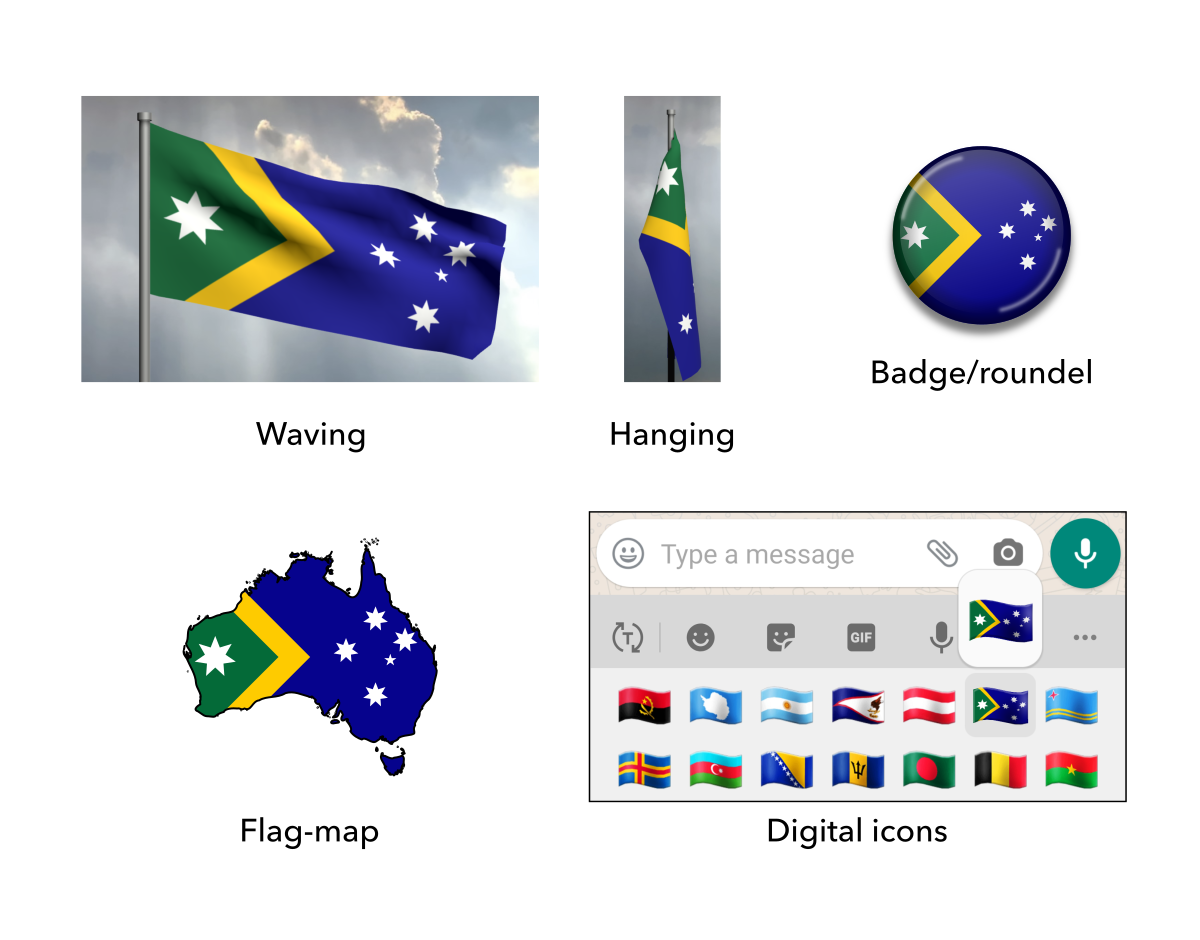
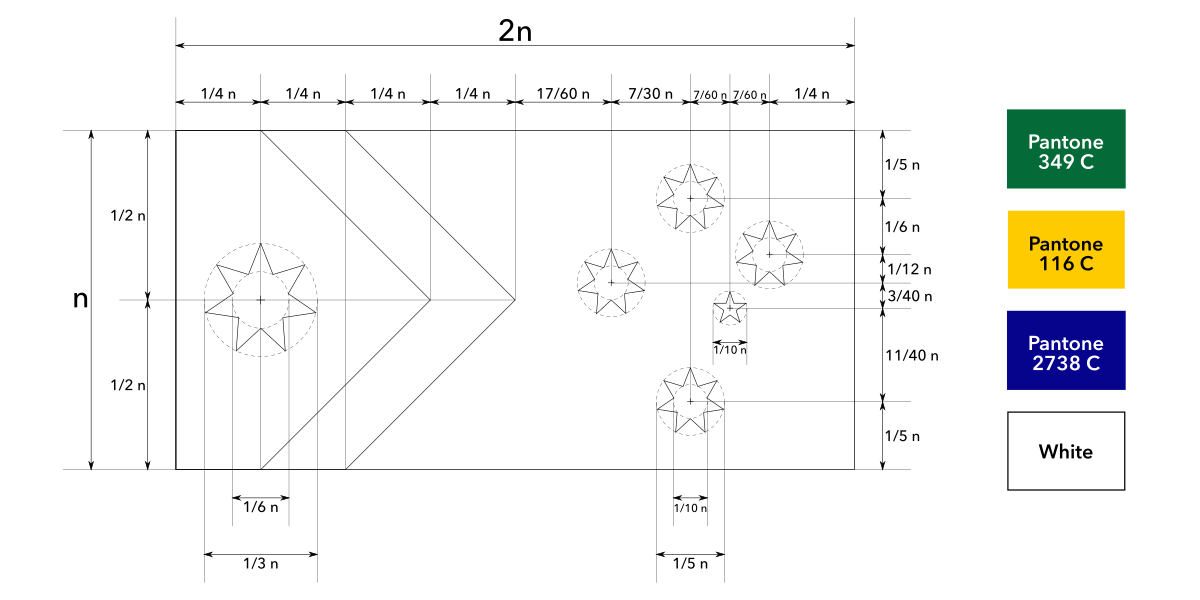
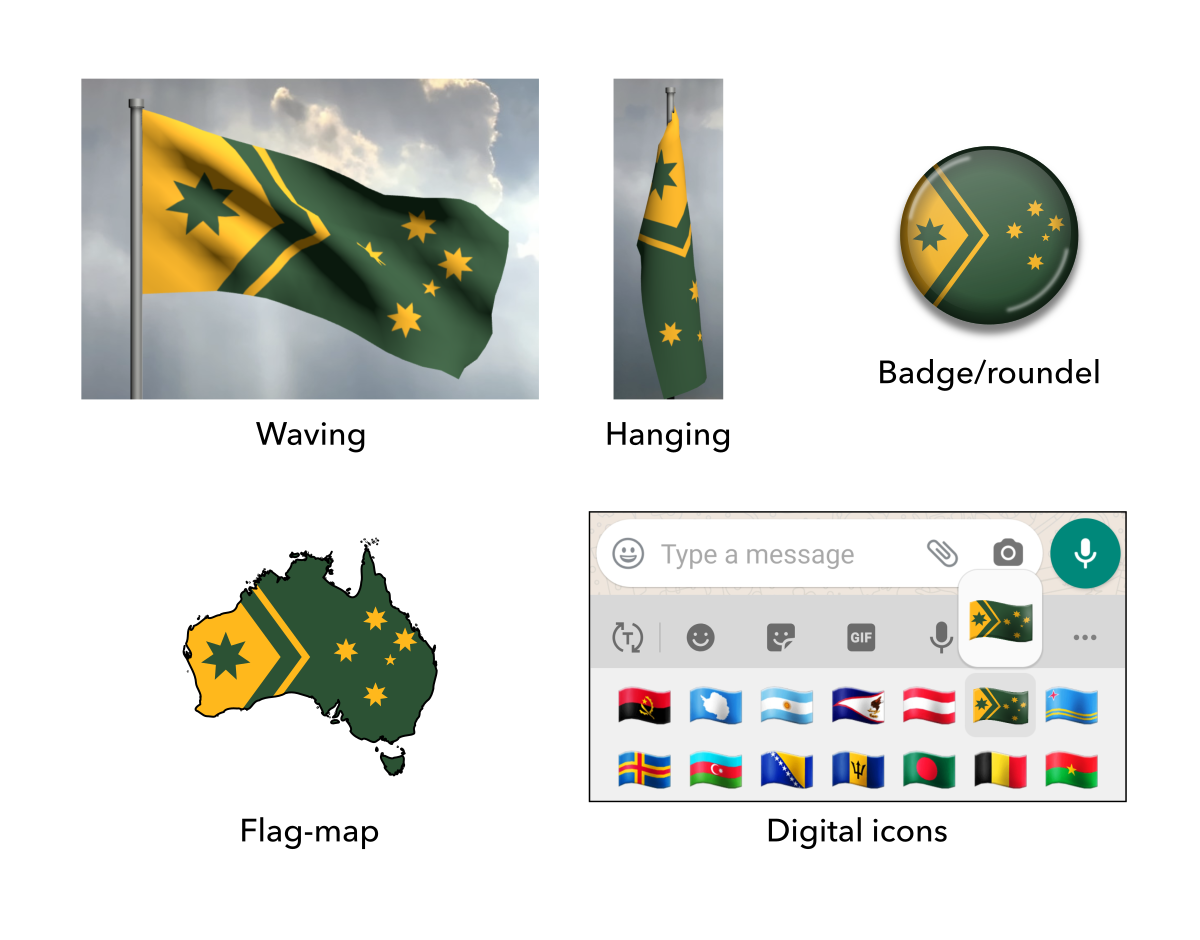
For a quick summary, the gallery of designs is below. For an extensive read, scroll down and expand each section to see a compilation of our design methodology and details for each flag, including high-resolution graphics, commentary, mock-ups, construction sheets and vector file downloads.
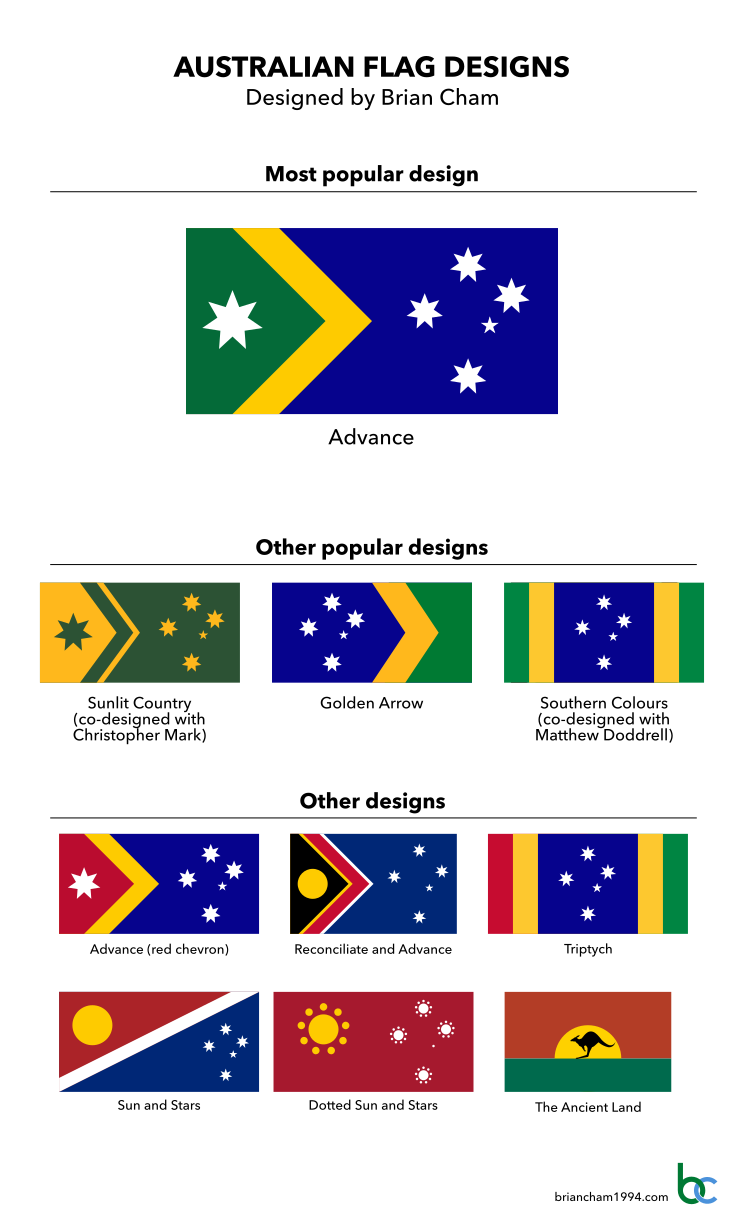
Advance is the most popular design and was voted third best out of all Australian flag redesigns in public polling on the Change the Aussie Flag Facebook group. I will leave it up to the reader to decide which designs resonate the best with them personally.
The reason why a lot of other Australian flag proposals suck is because they didn’t have a proper design methodology. I aimed to transcend this tendency and design the new Australian flag, not a new Australian flag.
Instead of just making something that looks nice and symbolic to me personally, I aimed for maximum feasibility of resonating with the public, based on real evidence and research. In other words, I activated the sympathy part of my brain alongside the aesthetic part.
This research included studying as many existing Australian flag proposals as I could to note common features and feedback, analysing why some designs were more popular than others. I also looked at Australian themed insignia, logos and graphics. Finally, I consulted surveys and campaigns.
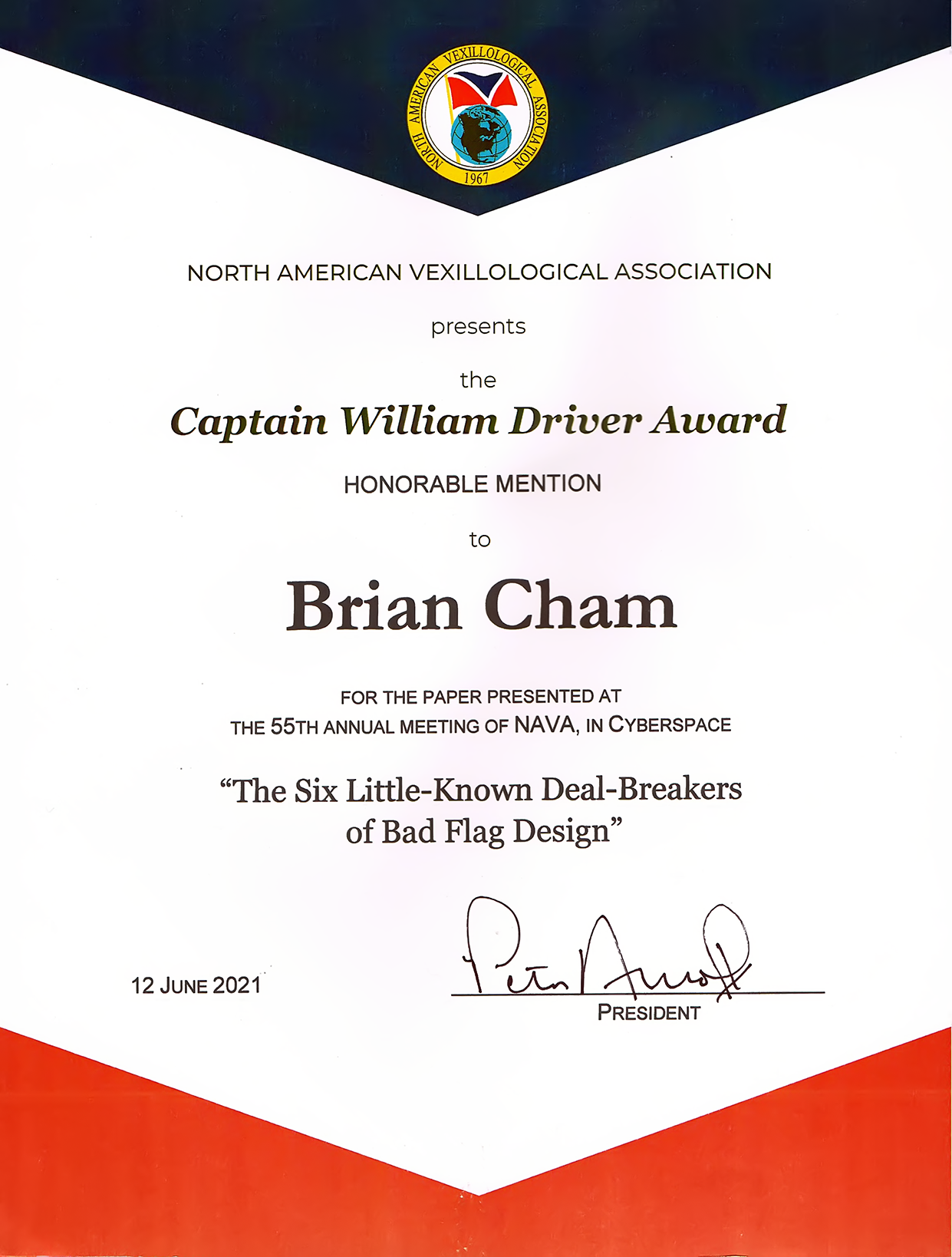
For Aotearoa New Zealand, I collated the commentary around existing proposals with a colleague, so that we could uncover the common themes and transcend the common mistakes. Many of these “deal-breakers” apply to Australian flag concepts as well. You can read more about these in the main article The Six Little-Known Deal-Breakers of Bad Flag Design which was presented at NAVA 55 and won their Driver Award. In summary:
Generally bad flag design – Too complicated, too many colours or elements, irrelevant symbolism and so on.
Looks like a logo, not a flag – By far the most common. A flag should actually look like a flag, not a corporate logo stuck into a rectangle.
Cheesy souvenir – Flags relying on informal elements can look like souvenirs.
Mystery symbolism – Roger Ebert once declared, “If you have to ask what it symbolizes, it didn’t.”
Designing for yourself – A lot of designers only included the themes of national identity that appealed to them, not the general public.
Too radical – Making a completely revolutionary design is self-sabotage. A lot of people are intimately attached to established symbolism.
It’s boring, but it works – Trying to satisfy everybody will end up satisfying nobody.
What are the themes of national identity? I identified four of them.
Established symbolism – Elements from the current flag. The red, white and blue colour scheme, the commonwealth star and the southern cross. To some these are familiar and formal but to others these are too safe and boring.
Colloquial symbolism – Elements from local, informal culture. The green and gold colour scheme and the kangaroo. To some these are unique and authentic but to others these are too cheesy and offbeat.
Aboriginal symbolism – Elements from indigenous cultures. The red/ochre, white and black colour scheme, the colour red/ochre by itself, the sun, dotted patterns and the boomerang. To some these are culturally significant but to others these are too sectarian.
Environmental symbolism – Elements from nature. The colour green, landscapes, the sun and the kangaroo. To some these are positive and fresh but to others these are too trendy and informal.
By clarifying these, I can make designs that harmoniously appeal to multiple themes, which will resonate with more people. The “established symbolism” has the most appeal so an effective design will have to focus on this.
The themes are summarised in the Euler diagram below.
The four symbolic themes of Australian graphical identity.
Flag proposals have sometimes competed in head-to-head in ranked competitions or discussions. I used a statistical technique called “regression analysis” to identify which colours and symbols were most associated with success (public resonance). These successful elements were the colours red, white, blue and gold, and the southern cross in its current form (i.e. white on blue).
However, some of these competitions and surveys were from years ago, so the conclusions could be oudated. By today’s standards, the strong preference for red, white and blue is obviously quite conservative. Newer surveys tend to reveal preferences for green and gold instead (see the section below).
A 2016 University of Western Sydney survey asked the Australian public what they wanted in a new flag (Jones, 2016). Results:
The most common requests were “simplicity”, “Southern Cross”, and “Green and Gold”.
Respondents were split between those who wanted recognition of indigenous cultures and those who wanted a culturally neutral design.
When presented with a few examples, respondents preferred designs that were similar to the current flag in layout.
Some have also asked about indigenous viewpoints and consultation. A 1994 survey asked indigenous groups across the country what they wanted in a new flag (Mee, 2018). These were universal responses:
They though the issue was quite pressing.
They did not want the Union Jack.
They wanted it to feature indigenous cultures in some way.
They did not want the Aboriginal flag included in its entirety.
However, opinions varied on how exactly they wanted their cultures to be represented visually.
A 1998 museum exhibition of national flag proposals included some designs featuring indigenous symbols like the Aboriginal colours (black, gold and red), dot patterns, a golden sun and the stripe layout of the Aboriginal flag. These proposals were specifically praised in a speech by Dr. Lowitja O’Donoghue, who at the time was the Chairperson of the Aboriginal and Torres Strait Islander Commission, the highest national indigenous representative body. She made the following comment (O’Donoghue, 1998):
“[Overseas visitors] appreciate the unique aspects of our country including the contribution that Australia’s indigenous people make to our national identity. I’m pleased to see that many of the designs on display here today include a reference to indigenous culture, or the colours of the indigenous flags. But the most important thing is that our new flag should he acceptable to all of us.”
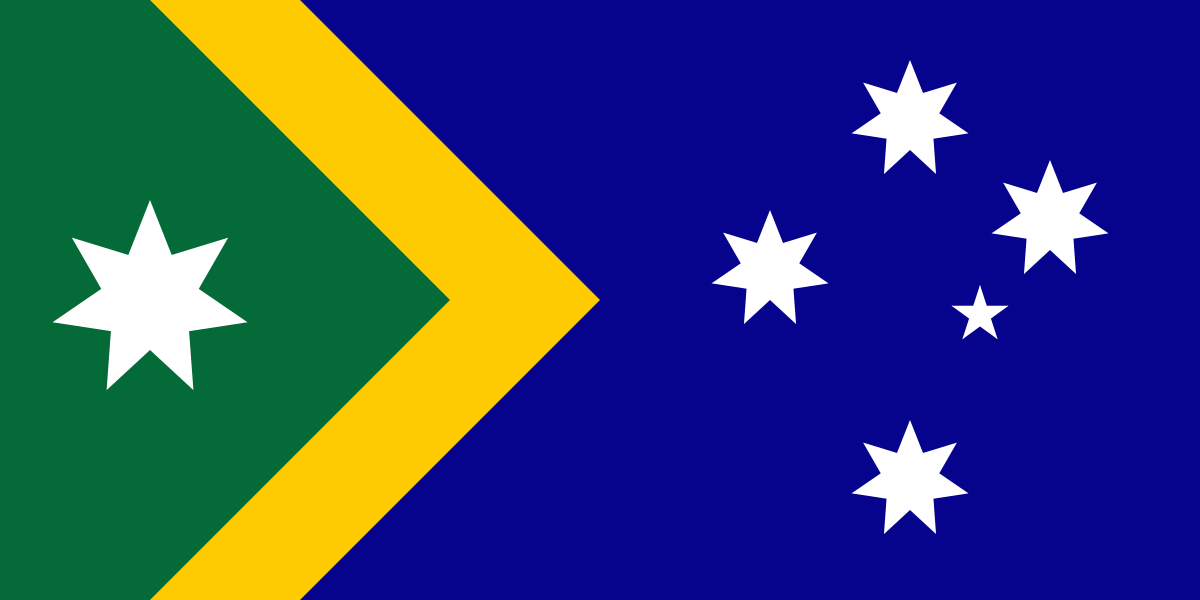
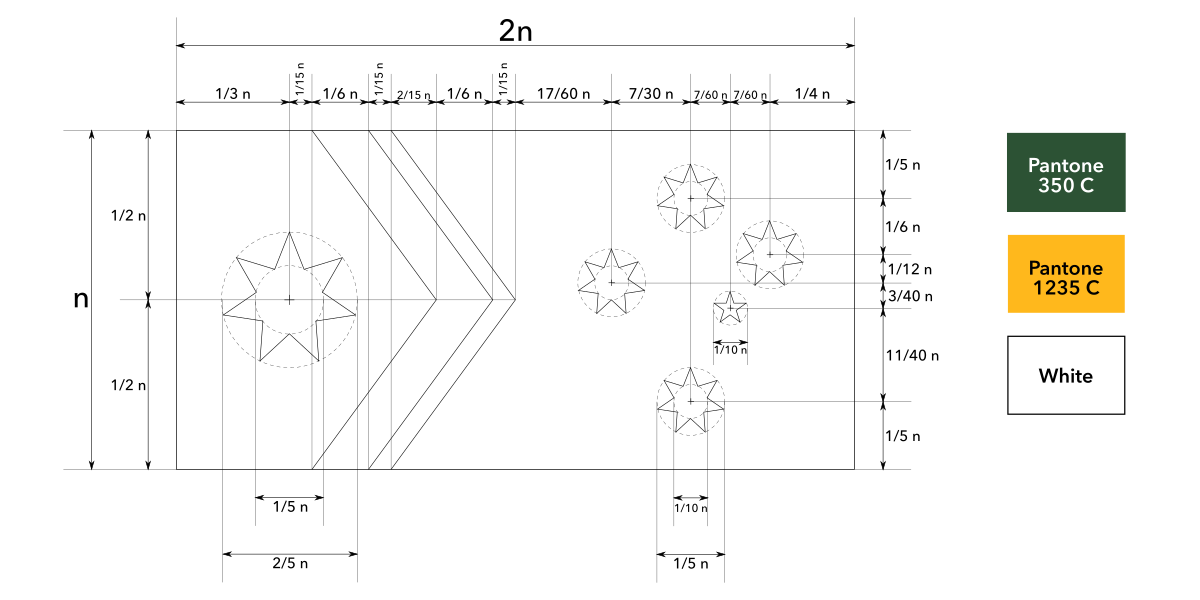
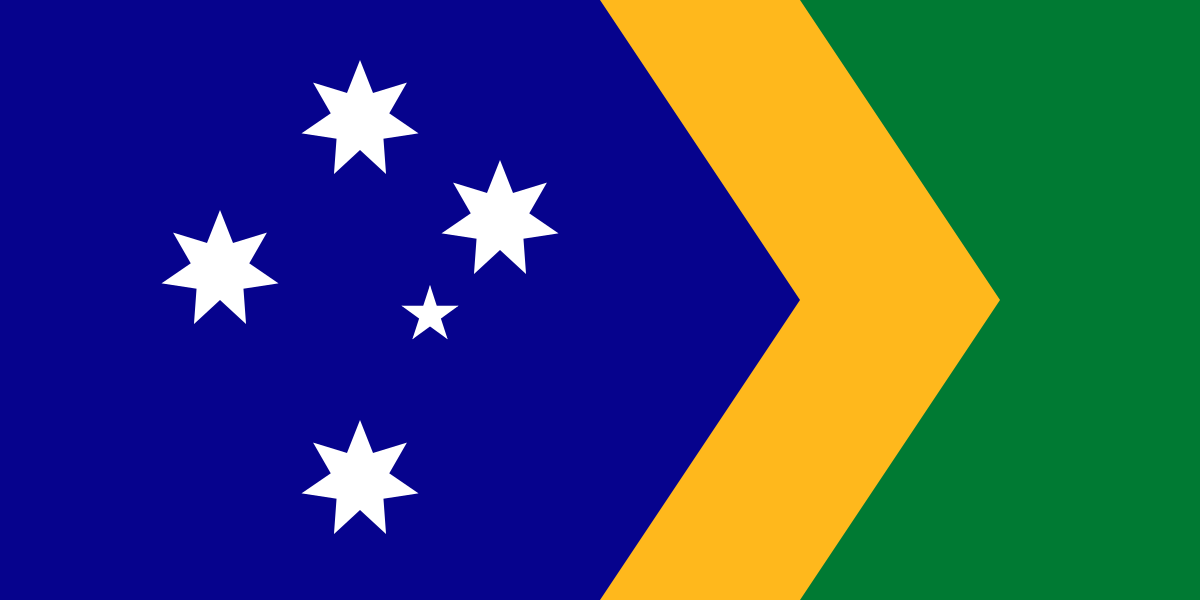
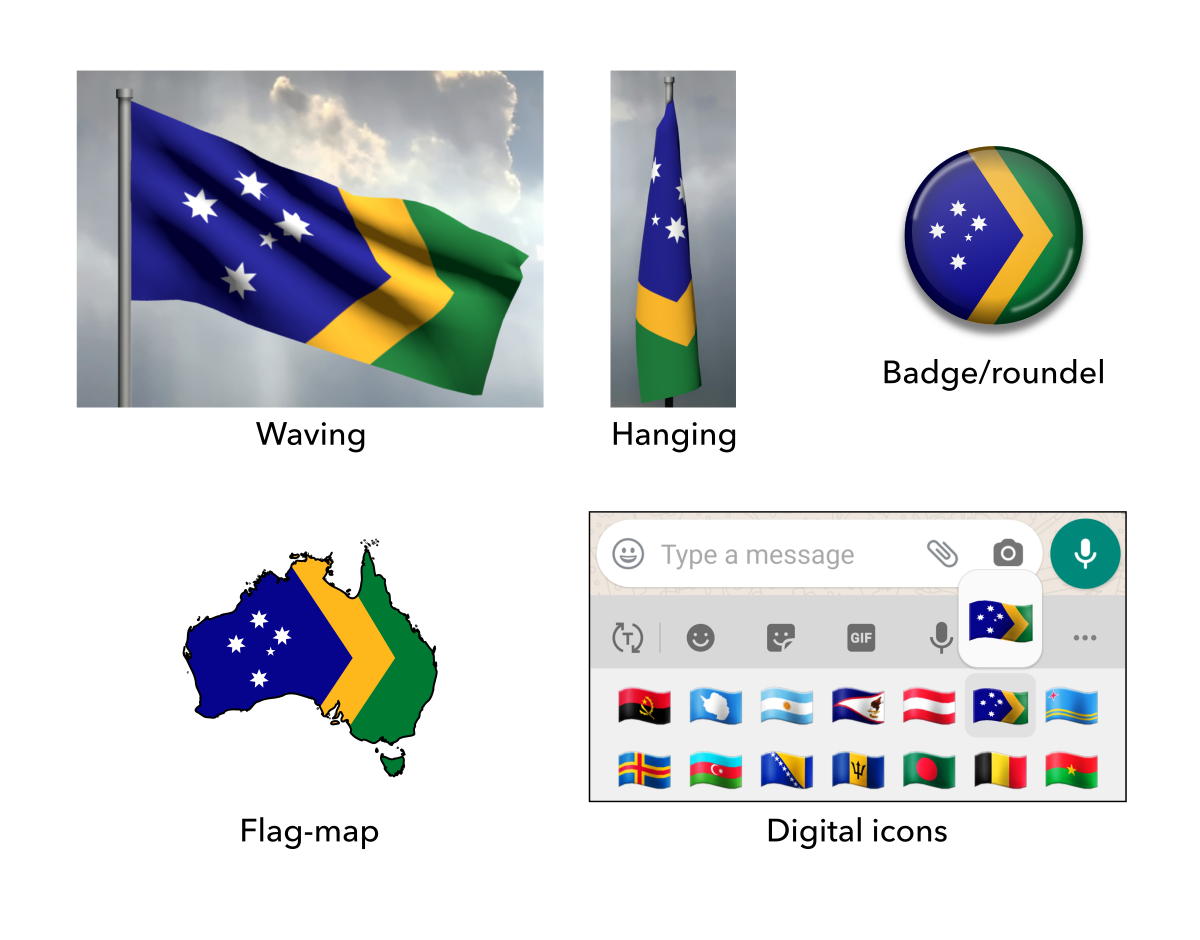
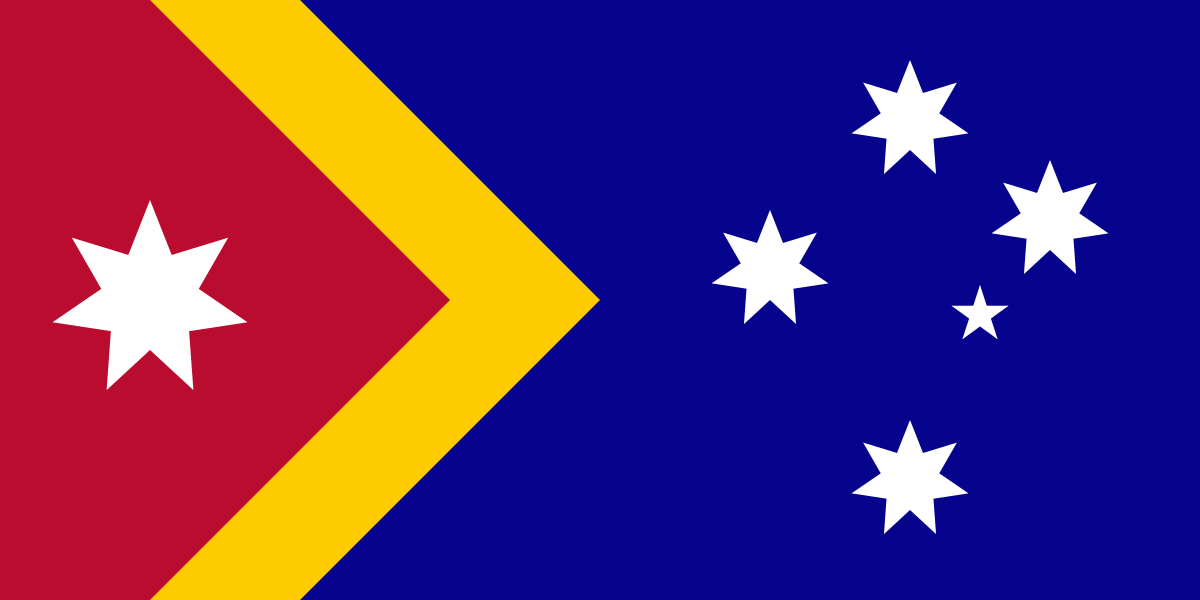
Advance is based on the same layout as the current flag, aiding recognition and establishing continuity. The hoist features a chevron representing unity and advancement, reflecting the country’s motto “Advance Australia”. It also subtly resembles a boomerang, representing the country’s milennia of indigenous history. Within the chevron is the Commonwealth Star, where the points represent the states and territories of Australia. The fly features the southern cross in the same form as the current flag, representing the country’s location in the Southern Hemisphere and shared history.
Green represents the lush nature, gold represents the beaches, mineral wealth and golden wattle, blue represents the boundless ocean and white represents peace. Green and gold are the official national colours, while the blue field is retained from the current flag.
Commentary
In 2022, Advance was voted the third best of all Australian flag designs in public polling conducted by the Facebook group “Change the Aussie flag”. As of 2026, it remains on their banner of top polling flag designs.
Sunlit Country is based on the same layout as the current flag, aiding recognition and establishing continuity. The hoist features a chevron representing unity and advancement, reflecting the country’s motto “Advance Australia”. It also subtly resembles a boomerang, representing the country’s milennia of indigenous history.Within the chevron is the Commonwealth Star, where the points represent the states and territories of Australia. The fly features the southern cross, representing the country’s location in the Southern Hemisphere and shared history.
Green and gold are the official national colours. Green represents the lush nature and gold represents the beaches, mineral wealth and golden wattle.
Commentary
Co-designed with Christopher Mark. From 2022 to 2026, it was on the banner of the Facebook group “Change the Aussie flag”, marking one of the top polling designs out of all Australian flag proposals.
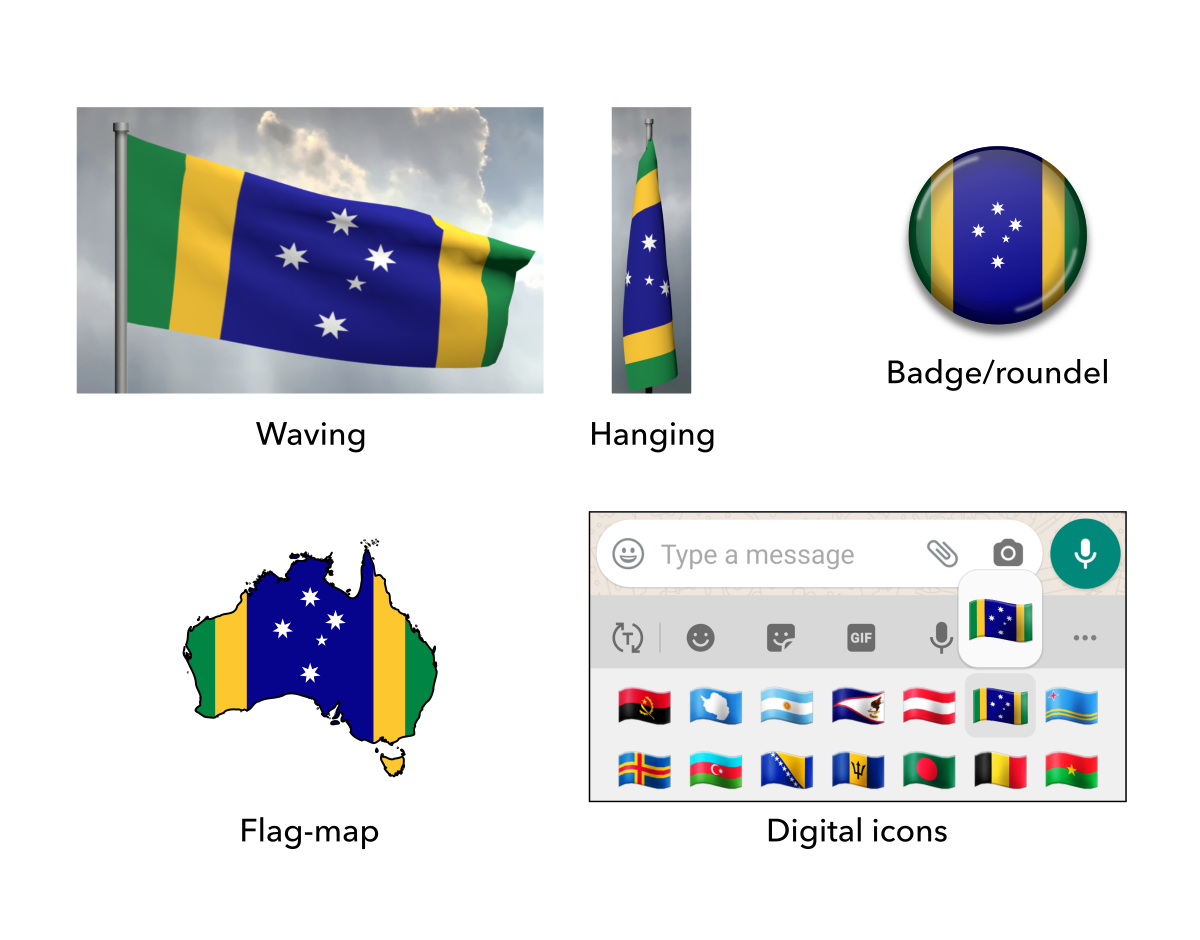
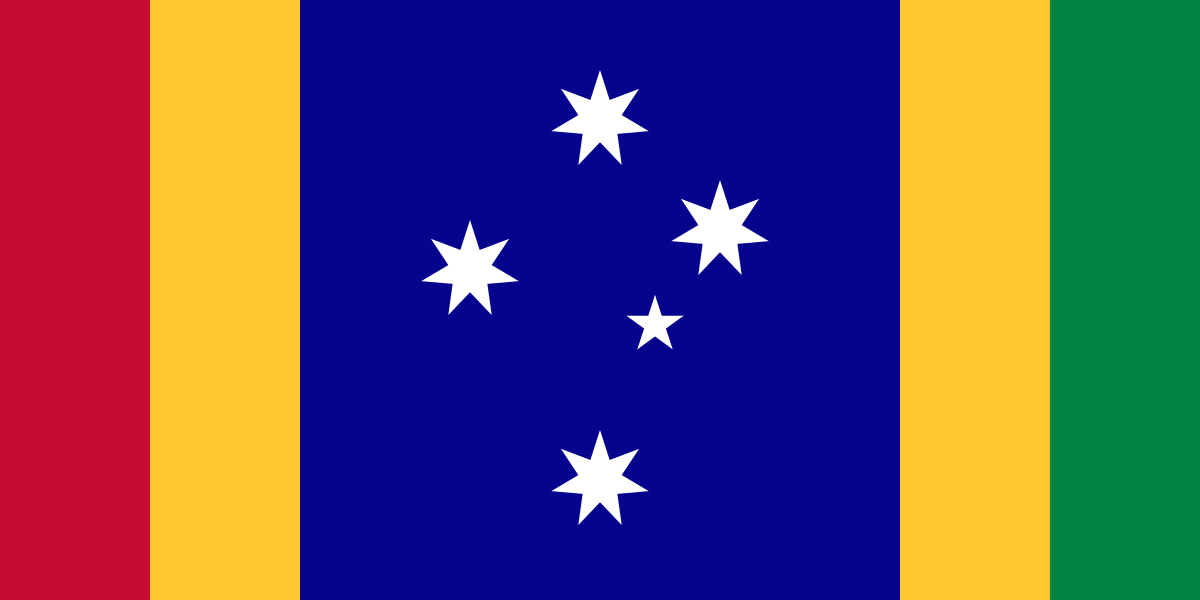
Golden Arrow is based on the southern cross on blue field, representing the country’s location in the Southern Hemisphere and shared history. It is in the same form as the current flag to aid recognition and establish continuity.
The fly features a chevron representing unity and advancement, reflecting the country’s motto “Advance Australia”. It also subtly resembles a boomerang, representing the country’s milennia of indigenous history.
Green represents the lush nature, gold represents the beaches, mineral wealth and golden wattle, blue represents the boundless ocean and white represents peace. Green and gold are the official national colours, while the blue field is retained from the current flag.
Commentary
This design is a simplified version of Advance, using the Southern Cross as the main focus.
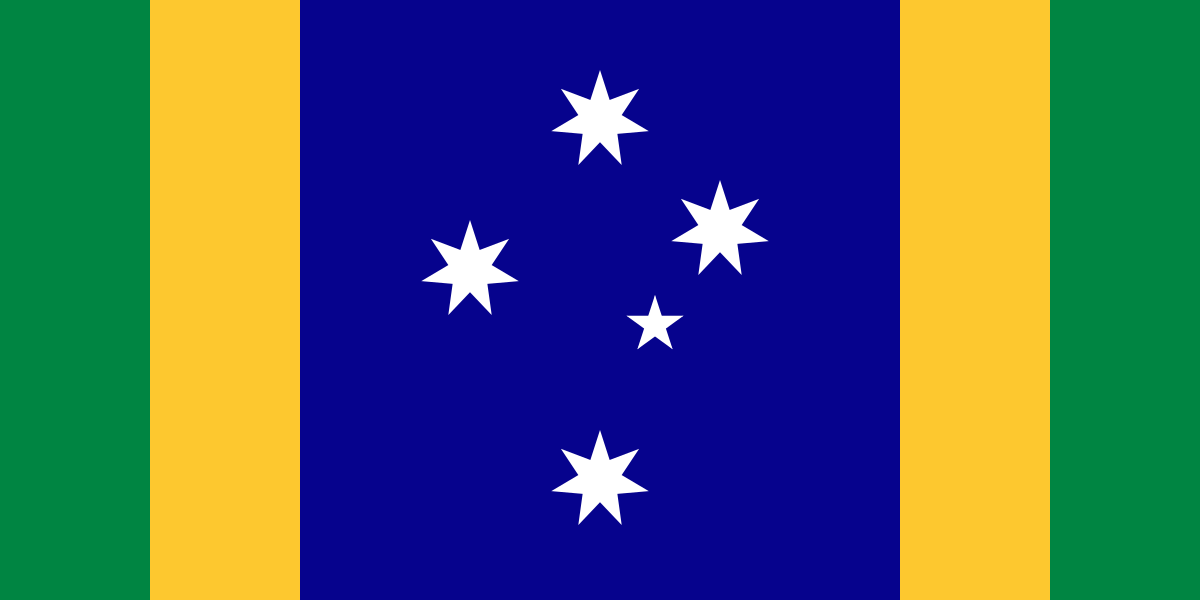
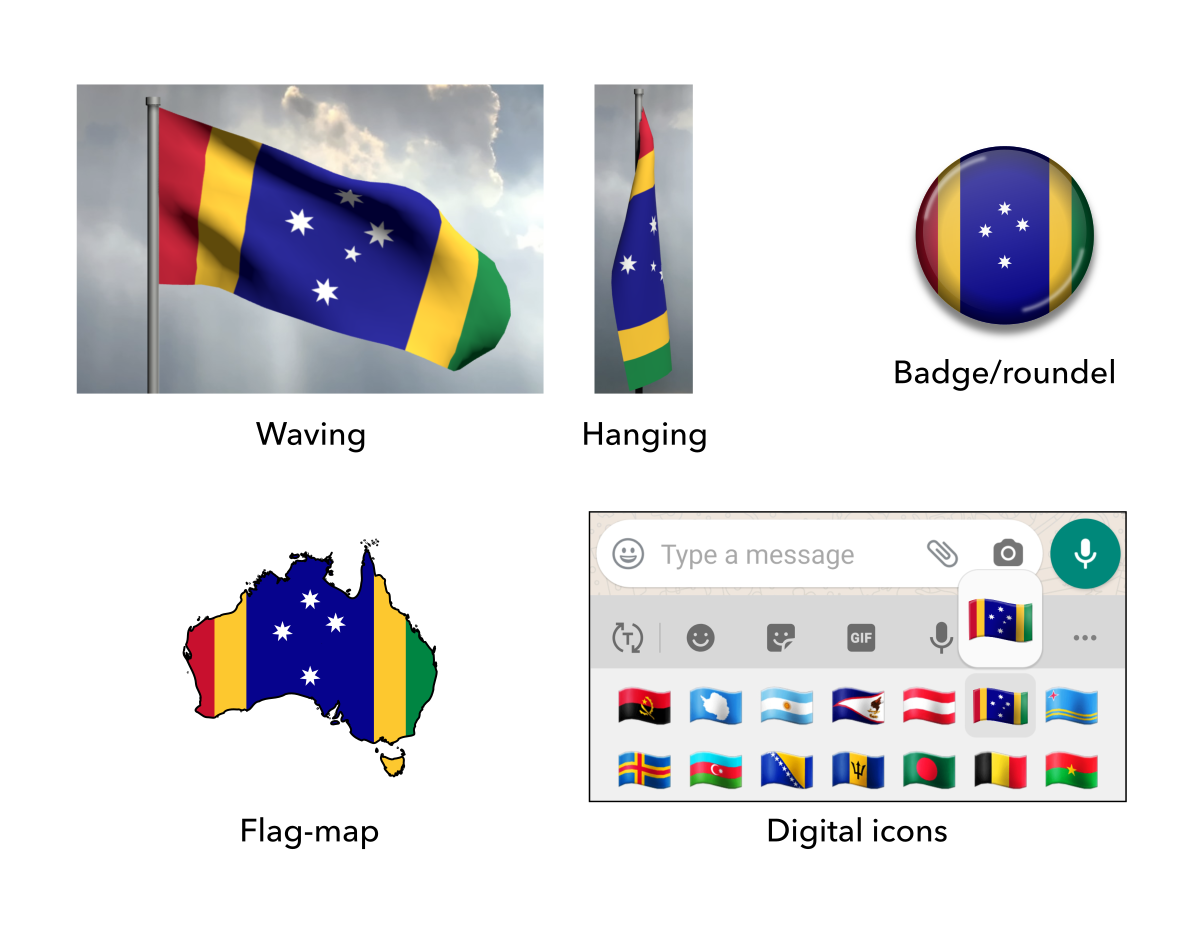
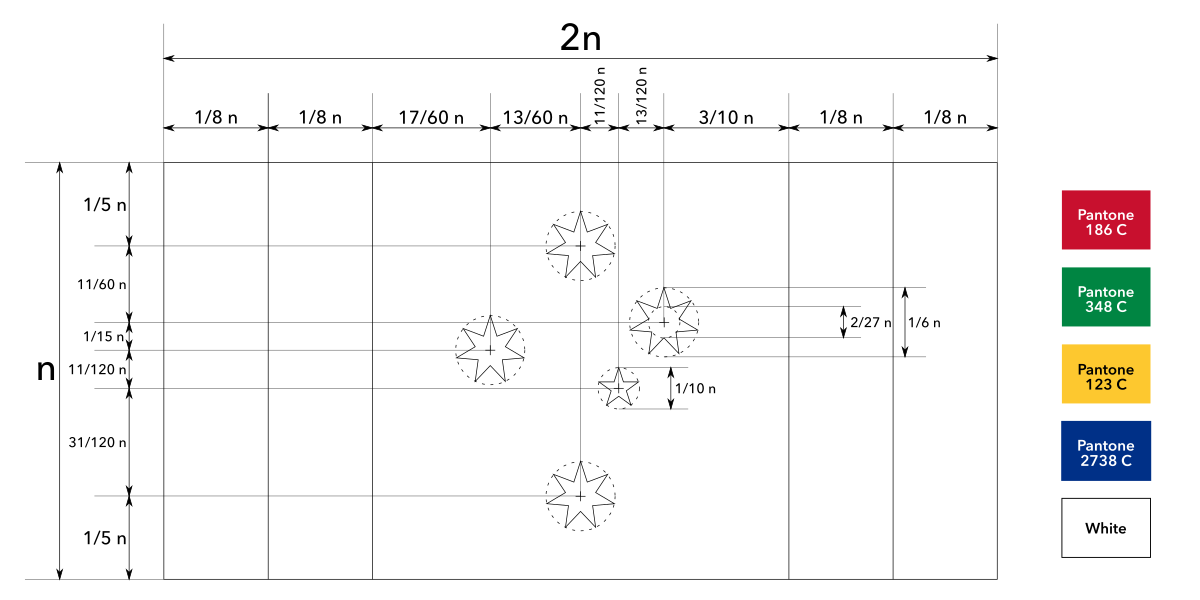
Southern Colours is based on the southern cross on blue field, representing the country’s location in the Southern Hemisphere and shared history. It is in the same form as the current flag to aid recognition and establish continuity.
The stripes on the sides represent the country’s coasts on the Indian Ocean and Pacific Ocean.
Green represents the lush nature, gold represents the beaches, mineral wealth and golden wattle, blue represents the boundless ocean and white represents peace. Green and gold are the official national colours, while the blue field is retained from the current flag.
Commentary
I designed this one with Matthew Doddrell. We both independently came up with a similar idea, and then we collaborated to make a compromise design with the best proportions and colours. He came up with the poetic name.
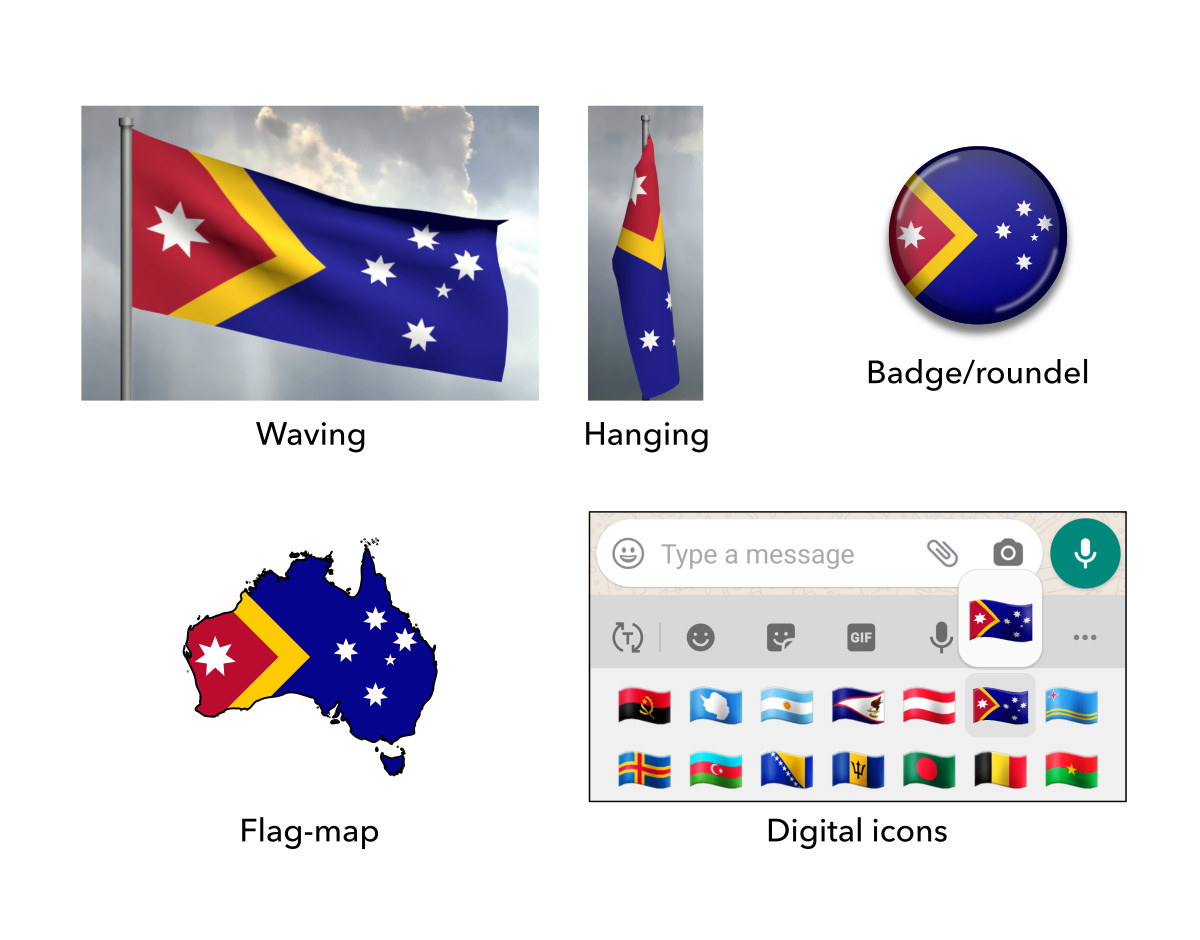
Advance (red chevron) is based on the same layout as the current flag, aiding recognition and establishing continuity. The hoist features a chevron representing unity and advancement, reflecting the country’s motto “Advance Australia”. It also subtly resembles a boomerang, representing the country’s milennia of indigenous history. Within the chevron is the Commonwealth Star, where the points represent the states and territories of Australia. The fly features the southern cross in the same form as the current flag, representing the country’s location in the Southern Hemisphere and shared history.
Red represents the land, gold represents the beaches, mineral wealth and golden wattle, blue represents the boundless ocean and white represents peace. The blue field is retained from the current flag.
Commentary
If this design seems annoyingly familiar, you are probably thinking of Captain Marvel.
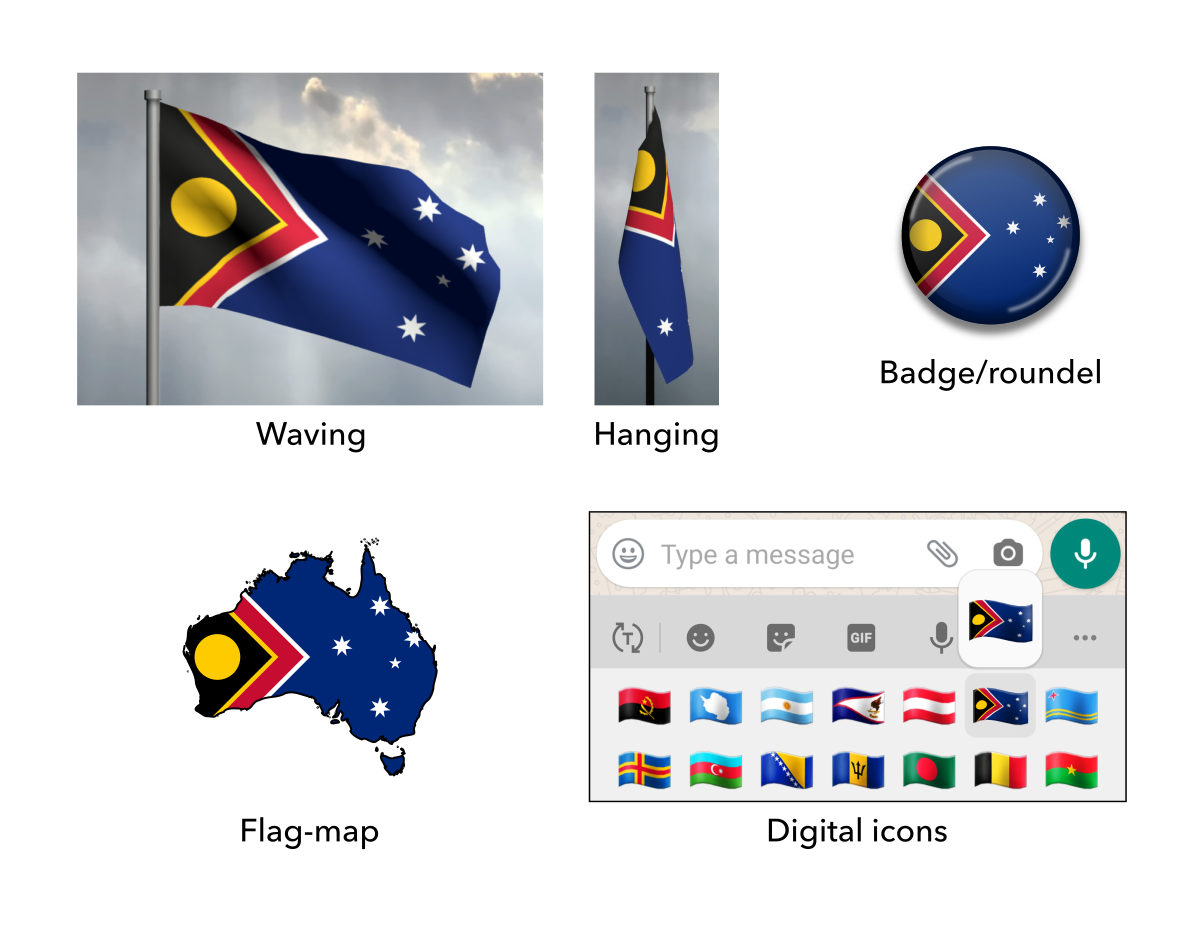
Reconciliate and Advance combines features of the Aboriginal flag and current national flag.
The hoist features the black, gold and red colour scheme from the Aboriginal flag, as well as the sun representing energy, life and the country’s climate. The fly features the red, white and blue colour scheme from the current flag, as well as the southern cross representing the country’s location in the Southern Hemisphere.
Red is at the meeting point of both parts of the flag because red is shared between both colour schemes. It takes the form of a chevron, representing unity and advancement.
Commentary
This design was the most popular on Reddit and Facebook. It was actually the precursor to Advance (above). It has more explicit Aboriginal symbolism but has more colours.
Triptych is based on the southern cross on blue field, representing the country’s location in the Southern Hemisphere and shared history. It is in the same form as the current flag to aid recognition and establish continuity.
The stripes on the sides represent the country’s coasts on the Indian Ocean and Pacific Ocean.
Red represents the land, green represents the lush flora, gold represents the beaches, mineral wealth and golden wattle, blue represents the boundless ocean and white represents peace. Green and gold are the official national colours, while the blue field is retained from the current flag.
Commentary
This design has the most colours of all my designs, but that’s deliberate.
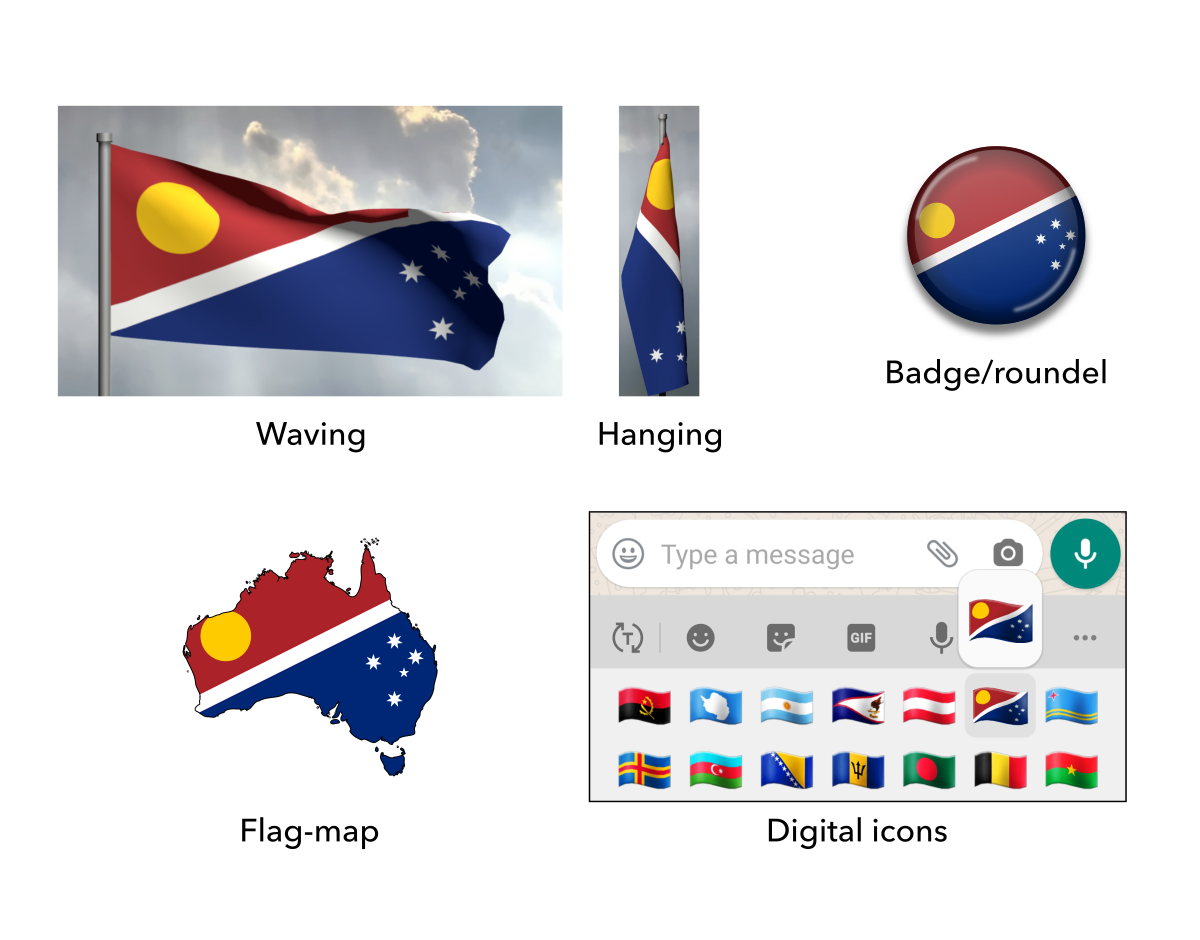
Sun and Stars combines simplified features of the Aboriginal flag and current national flag.
The hoist features the sun and red field from the Aboriginal flag, representing energy, life and the country’s climate. The fly features the the southern cross and blue field from the current flag, representing the country’s location in the Southern Hemisphere.
A white stripe is at the meeting point of both parts of the flag to represent peace between all people.
Commentary
This one is also nice and simple. However, for some, it suffers from a lack of a single focus.
Dotted Sun and Stars portrays elements of the current national flag using stylised Aboriginal dot art.
The red field represents the land. The canton features the golden sun, representing energy, life and the country’s climate. The fly features the southern cross, representing the country’s location in the Southern Hemisphere. The nine dots around the sun and stars represent the constituent parts of Australia: Eight points for the mainland states and territories, and one last point for external territories and allies together.
Commentary
This design is the direct counterpart to my New Zealand flag proposal Flourishing Together.
This one was inspired by an Australian Aboriginal art exhibition in Vancouver. It incorporates that cultural influence without using the Aboriginal flag itself like many other concepts try to do. This one was said to be “too Aboriginal” to be accepted by Australia as a whole, which is probably true, but it looks too cool to not show it here.
Here I intended to combine the Commonwealth Star and the Aboriginal sun design in an elegant way. The current Commonwealth Star has seven points which I find to be clunky – currently, six points stand for the six original states and the seventh point stands for all territories and future states. Since this design did not need to appear conventional, I took the opportunity to update it to nine, which I feel is more appropriate and timeless: Eight points for the mainland states and territories and one point for external territories and allies. This makes more sense geographically and is future-proofed against the strong possibility of Northern Territory becoming a state.
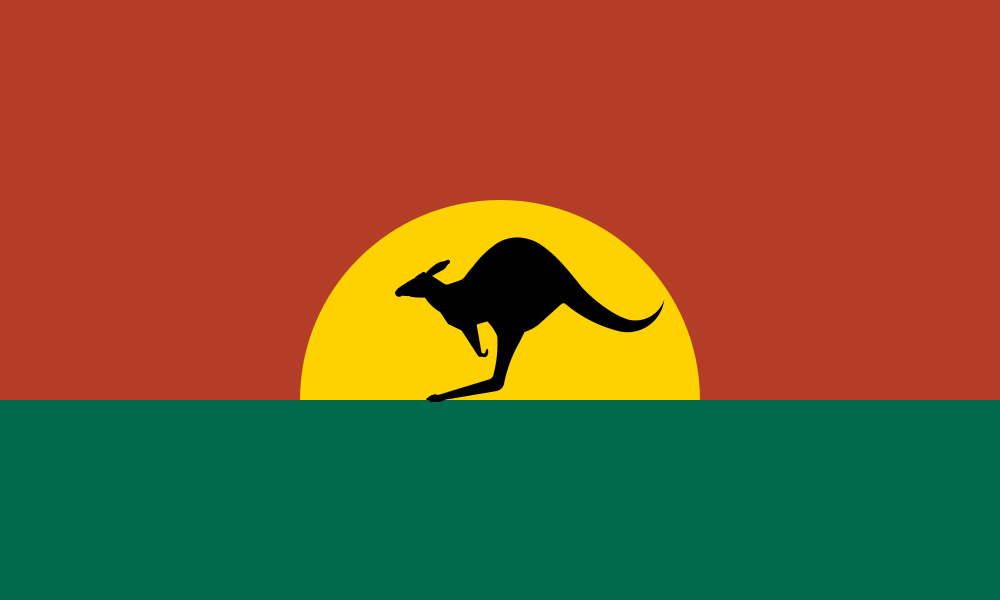
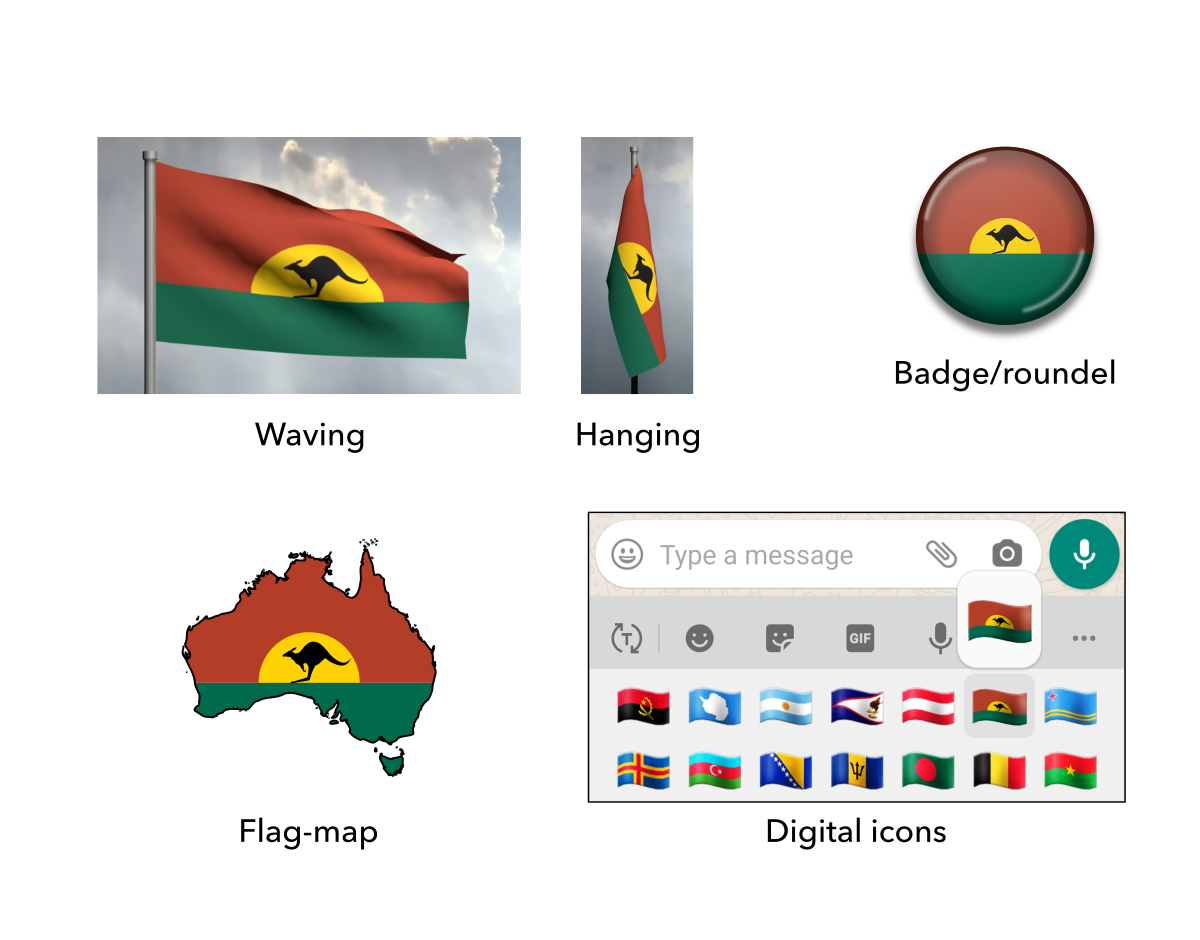
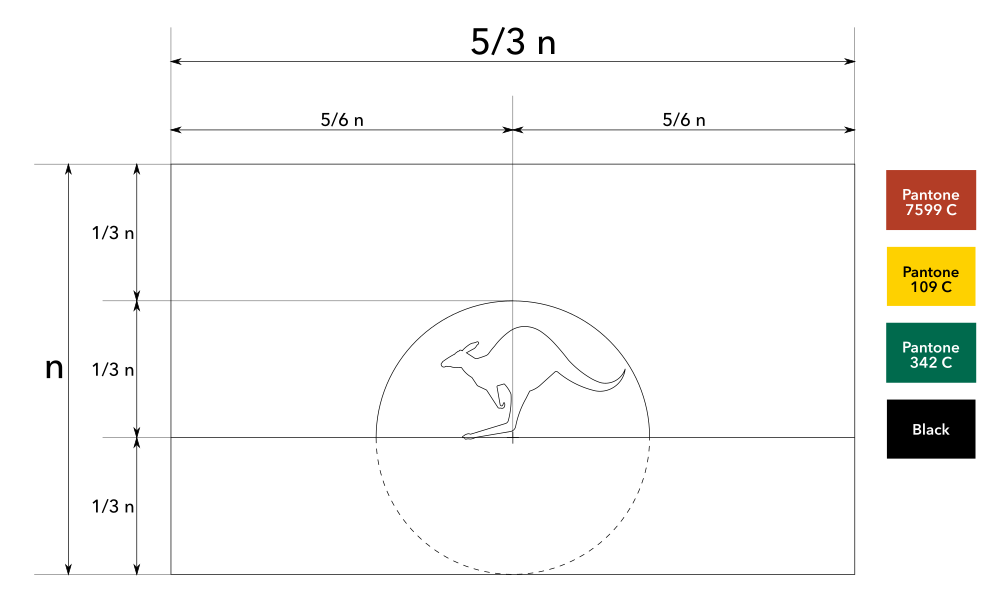
The Ancient Land eschews any symbolism from the current flag in favour of a totally unique landscape depiction. The big sunset at the top and the flat land at the bottom frame the kangaroo in the centre, a well known symbol of Australia. It includes green and gold, the official national colours.
Commentary
Although I predicted that this design would be too radical of a change, it was modestly popular on Reddit and Facebook. When designing this flag, I deliberately ignored my analysis and the symbolism on the current flag. Instead, I allowed myself to be more eccentric and boundless.
I aimed for a flag that is intuitive, timeless and naturalistic. It peels back the layers and purely captures the distilled essence of what makes the Australian continent what it is. It represents Australia in an intuitive way that just hits you at first glance even without an explanation. Even if I sent this to the distant past or distant future, it would still be totally understandable at first glance. It emphasises the natural world which is neutral and can connect with all Australians.
Also, I specifically aimed aimed to use the kangaroo in a way that feels justified and not just gratuitously slapping it inside a rectangle out of obligation like some others’ proposals do.
Unfortunately, the result falls into the “cheesy souvenir” trap by virtue of including the kangaroo, but it is unique and has its own charm.
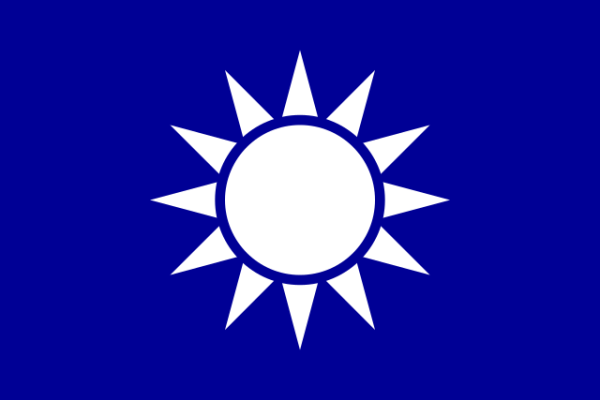
Flag of the Kuomintang (Chinese Nationalist Party) / 國民黨的旗幟
The current flag of Taiwan is a historical relic inherited from the Republic of China, which ruled mainland China over seventy years ago. Now it is confined to the island of Taiwan and the country is simply known as Taiwan to everybody. Moreover, it is based on the flag of a single political party, the Kuomintang (Chinese Nationalist Party). This may have made sense when Taiwan was a one-party state, but not when Taiwan is now a multi-party democracy in which the Kuomintang is just one of many political parties.
In recent years, Taiwan has shifted towards a strong, local, independent identity, especially the younger generations. For example, a poll by National Chengchi University shows that the majority of the population now identify as “Taiwanese” rather than “Chinese”, and this is constantly rising. Also, in July 2020, the Taiwanese passport was officially redesigned to emphasise the name “Taiwan” instead of “Republic of China”. There have been many such changes from the 2000s onwards.
In light of these developments and more, some have called for a flag for the island of Taiwan itself and some have even proposed designs. However, those designs have significant flaws and none are popular. Therefore, here is my proposal.




 Proposed flag of Massachusetts (2009)











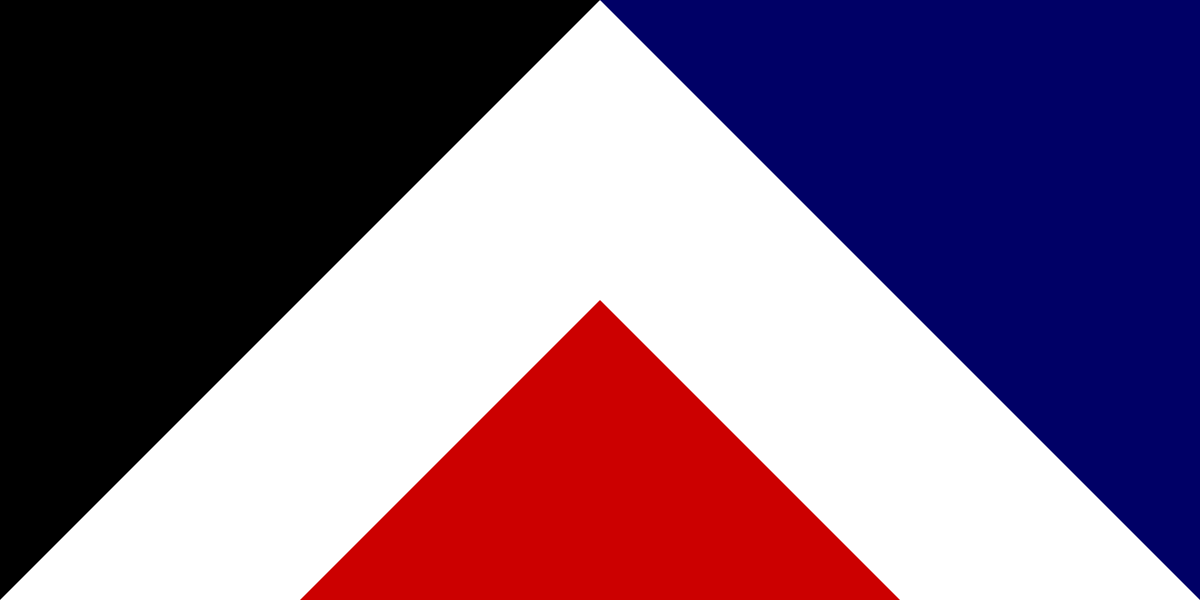




















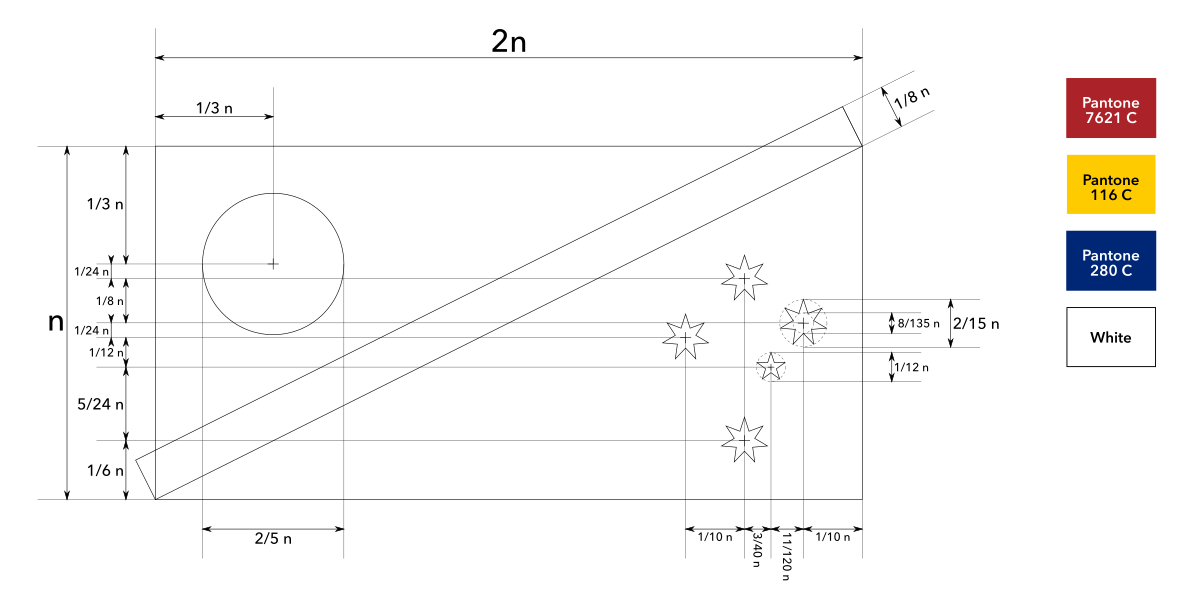

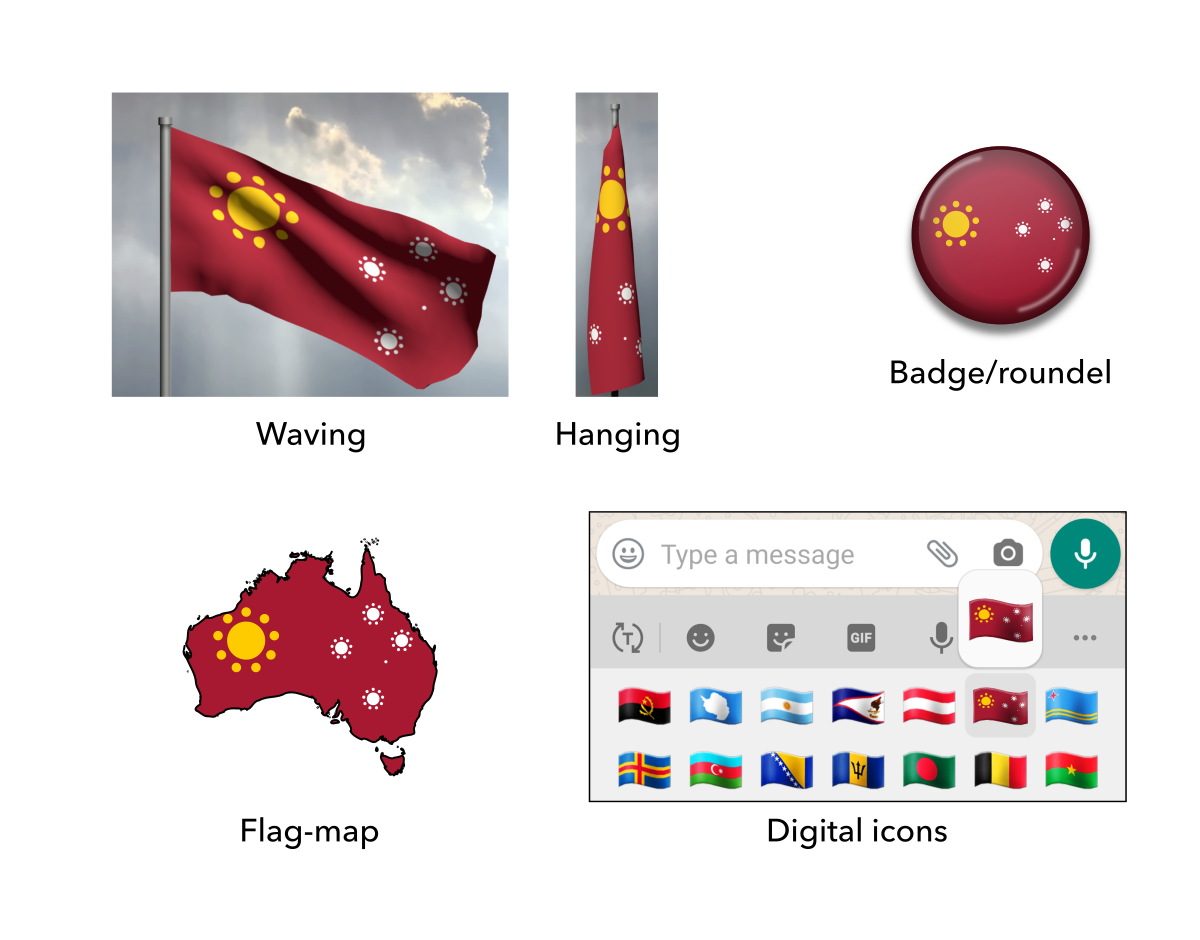

 Proposed Flags of Aotearoa New Zealand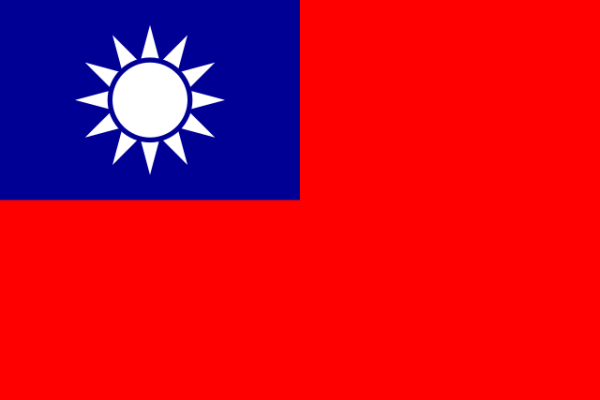
 Brian Cham's personal website